
Community, Diversity, Sustainability and other Overused Words


Community, Diversity, Sustainability and other Overused Words
In a one party state, what the middle class feels about the cost of everything being higher here just doesn't matter to the party in power.
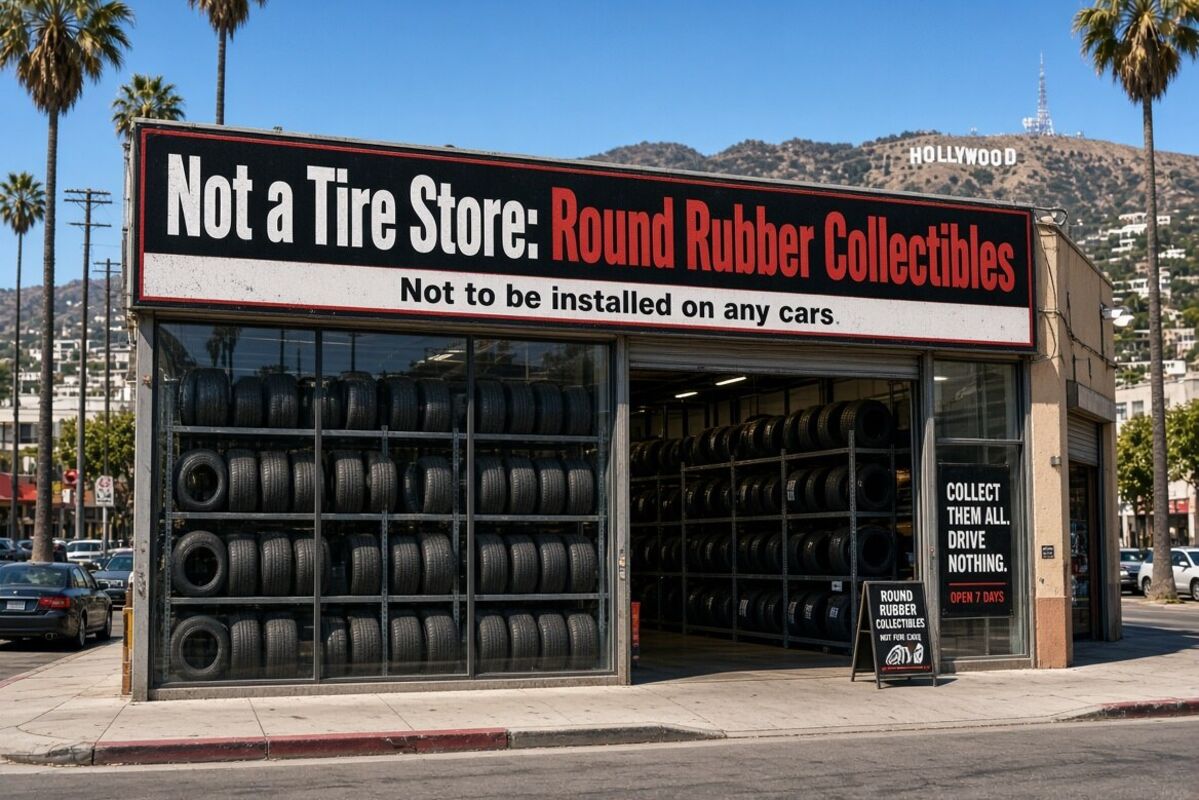
The only way to sell tires in California after 2033, will be to characterize them as something else.
Sacramento just dropped another regulatory bomb on everyday Californians.
The California Energy Commission unanimously approved the nation's first replacement tire efficiency standards on Monday, setting strict limits on rolling resistance for tires sold in the state. Phase 1 kicks in for tires manufactured starting in 2029. The tougher Phase 2 hits in 2033.
Tire industry representatives say the 2033 standards would eliminate roughly 70% of the replacement tires currently on the market from being sold in California. Goodyear and America's Tire have warned that applying the Phase 2 limits to today's inventory would knock out the majority of available options.
The rules require lower rolling resistance (less energy lost as heat when the tire rolls) and a minimum wet-grip standard so replacement tires match the efficiency of the ones that come on new cars. Specialty tires - deep-tread off-road, certain winter/all-weather, competition, and some others - get carve-outs.
The Energy Commission insists the changes will save drivers nearly $1 billion a year in fuel and electricity costs statewide and cut 2 million metric tons of CO2 annually. It pegs the extra cost to consumers at just $1.50 per tire in Phase 1 and $6.50 in Phase 2, with fuel savings quickly offsetting that.
Tire makers call those numbers fantasy. They argue real-world prices for compliant tires could jump far higher - potentially hundreds of dollars per set - and that fewer choices will push costs up for the average driver.
This fits a familiar California pattern. The plastic bag ban made shoppers pay for reusable bags or scramble for alternatives. Dishwasher and appliance water restrictions left people with longer cycles and higher bills for what many see as minimal environmental gain. Now tires join the list of everyday items getting the efficiency squeeze.
Californians already pay a premium at the pump. As of Tuesday, regular gas averaged about $5.57 a gallon in the state, compared with roughly $4.77 in Nevada and $4.44 in Arizona - a gap of 80 cents to more than a dollar over neighboring states, driven largely by higher taxes and fuel formulations.
Add restricted tire choices and any price hike on the remaining compliant models, and the cost of keeping a car on the road climbs further. Drivers who need specific performance, load ratings, or budget options may face longer waits, trips across state lines, or simply higher bills.
Commissioners frame the rules as consumer protection that puts money back in drivers' pockets through better mileage. Industry voices and many motorists see another layer of regulation that narrows the market and makes living - and driving - in California more expensive.
The standards apply only to new tires manufactured after the phase-in dates and sold in California. Existing tires stay legal. Manufacturers will have years to redesign products, and some efficient tires already exist. Whether the market adjusts smoothly or leaves consumers with fewer, pricier choices remains the open question.


Reader Comments(0)