
Community, Diversity, Sustainability and other Overused Words

Community, Diversity, Sustainability and other Overused Words
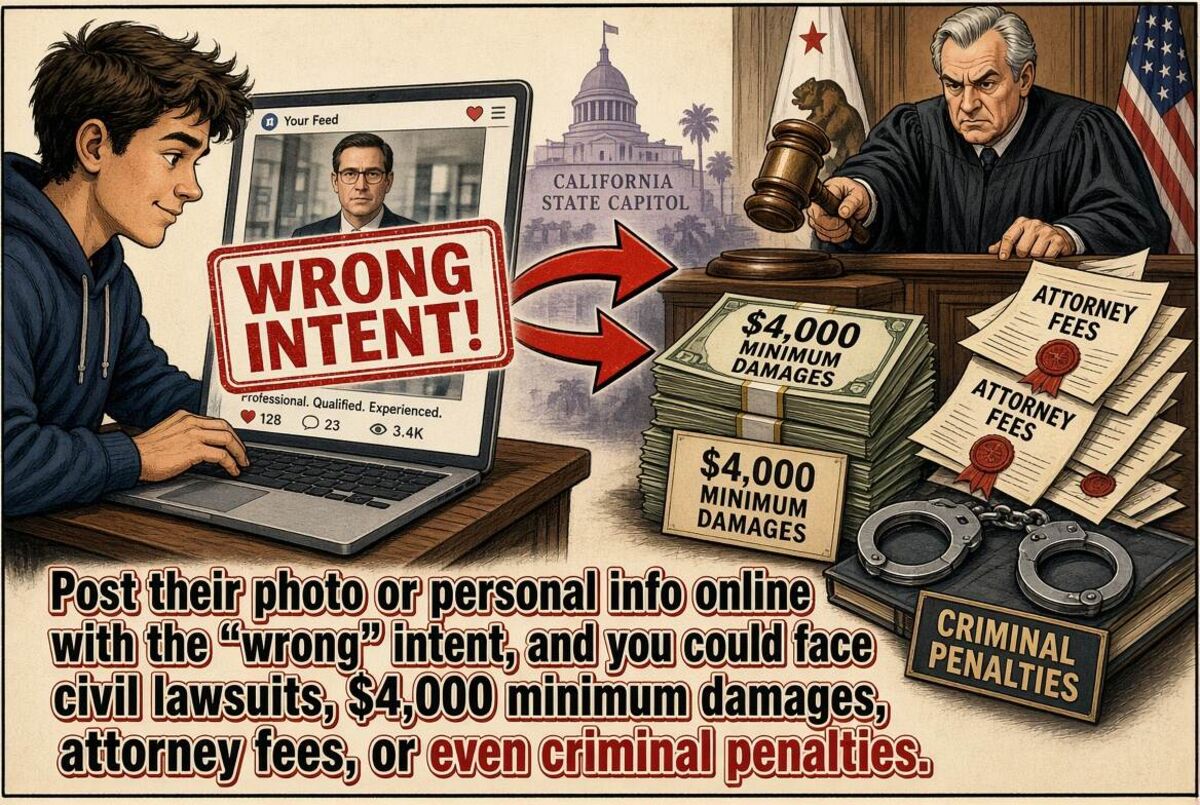
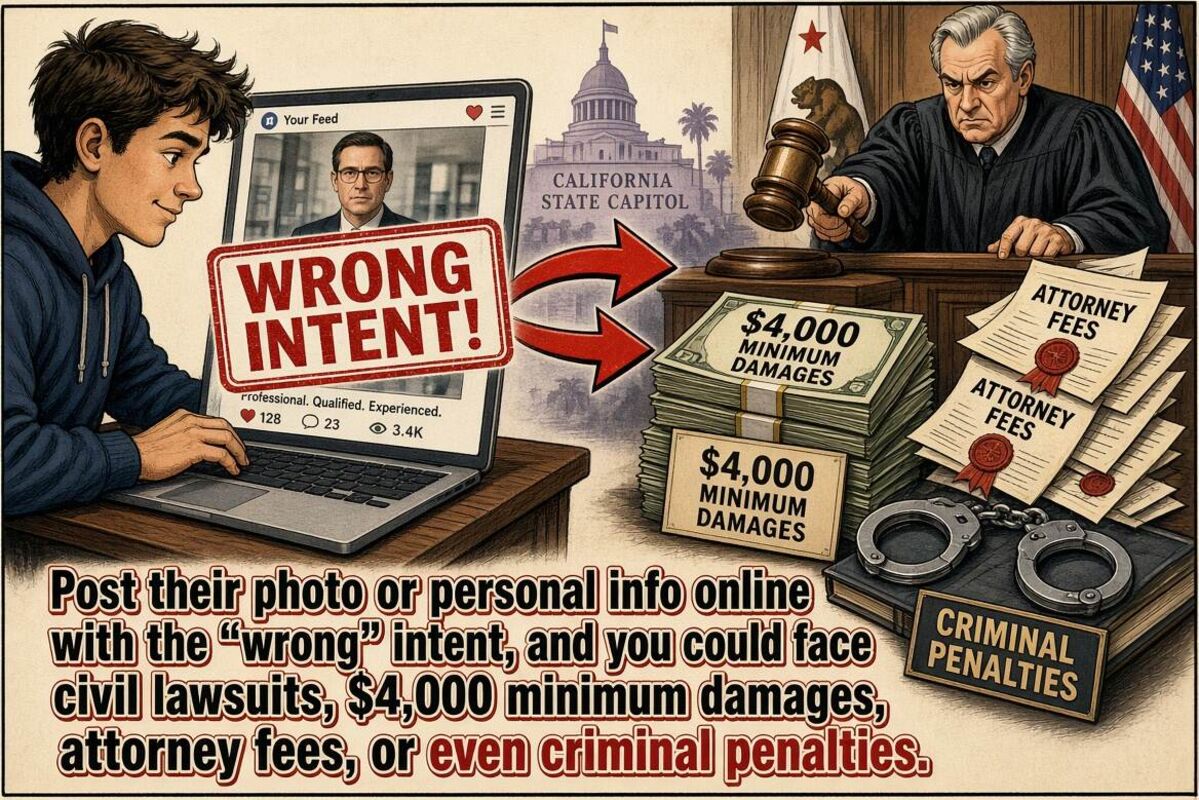
Post immigrant photos with the "wrong" intent, and you could face civil lawsuits, $4,000 minimum damages, attorney fees, or even criminal penalties
Cali Dems pass 'Stop Nick Shirley Act' to shield migrant NGOs from cameras - and it's headed straight to Newsom's desk
Cali Dems pass 'Stop Nick Shirley Act' to shield migrant NGOs from cameras - and it's headed straight to Newsom's desk
Gov. Gavin Newsom quickly signed California’s controversial “Stop Nick Shirley Act” into law on Saturday, August 22, 2026, expanding privacy protections for immigrant aid workers in a move critics say is designed to intimidate citizen journalists exposing taxpayer fraud.
Assembly Bill 2624, authored by Oakland Democrat Mia Bonta (wife of state Attorney General Rob Bonta), expands California’s Safe at Home program — originally created for domestic-violence victims — to employees and volunteers at nonprofits that provide legal, humanitarian and other services to immigrants. Those who document threats can shield their home addresses from public records starting in October 2027.
The law also makes it illegal to post a covered worker’s personal information or image online with the specific intent to incite violence or put them in reasonable fear for their safety. Violators face civil lawsuits with a minimum $4,000 in damages plus attorney fees, and in some cases criminal penalties including fines and jail time.
Republican lawmakers and free-speech advocates have blasted the measure as a transparent attempt to chill independent investigations. They dubbed it the “Stop Nick Shirley Act” after conservative YouTuber and citizen journalist Nick Shirley, whose viral videos alleged widespread fraud at Somali-run daycares in Minnesota and at hospices and related facilities in California — including office complexes in places like Van Nuys. Shirley’s reporting helped spark federal probes, arrests and license revocations in both states.
Cali Dems pass 'Stop Nick Shirley Act' to shield migrant NGOs from cameras - and it's headed straight to Newsom's desk
“Instead of cracking down on the fraudsters, they’re inventing laws to silence the guy filming them in broad daylight,” critics have charged.
Yet under a close reading of the statute, Shirley’s typical methods do not clearly violate the new law. His videos focus on commercial buildings, empty offices, public sidewalks, business licenses and payment records — not private home addresses. The prohibition requires specific intent to incite imminent violence or create reasonable fear for personal safety, not the public-interest goal of exposing alleged waste of taxpayer money. Only people who have enrolled in the Safe at Home program are protected, and public filming itself remains lawful First Amendment activity.
Supporters, including Bonta, insist the bill only targets genuine doxxing and threats, not legitimate journalism, and that it includes intent requirements plus existing press protections. Newsom signed the party-line measure without comment.
Opponents counter that the broad language around “images” and the threat of costly civil lawsuits will still create a chilling effect, letting favored nonprofits cry harassment and try to shut down cameras even when the legal standard isn’t met. The law takes effect Oct. 1, 2027. California taxpayers and independent journalists will be watching closely to see whether it protects workers — or protects the bureaucracy from scrutiny.
AB 2624 was revised multiple times after its introduction. It was introduced on February 20, 2026, by Assemblymember Mia Bonta as a measure to extend California’s existing Safe at Home address confidentiality program to designated immigration support services providers, employees, and volunteers facing threats or harassment related to their work, along with related prohibitions on posting certain personal information or images online with harmful intent.
Official legislative history shows several amendments during the process: Author’s amendments on March 26, 2026 (re-referred to committee).
Further Assembly amendments on or around April 9, April 23, and May 22, 2026. Senate amendments on July 2, 2026 (from the Public Safety Committee, after which it was re-referred to Appropriations). The Assembly later concurred in the Senate amendments on August 19, 2026, before enrollment and the Governor’s signature on August 22, 2026. Multiple bill text versions exist (introduced, several amended versions, enrolled, and chaptered), confirming iterative changes typical of the California legislative process.
One documented change in the Senate’s July 2026 amendments involved removing an explicit reference to Evidence Code §1070 (California’s journalist shield law) that had appeared in earlier drafts. Supporters described this as eliminating legal redundancy while clarifying that the bill’s prohibitions require specific intent (e.g., to incite imminent great bodily harm or create an objectively reasonable fear for safety) and do not restrict lawful public filming, investigative reporting, or journalism.
The final enacted version establishes the address confidentiality program (operative October 1, 2027) and related posting restrictions with those intent requirements.


Reader Comments(0)