
Community, Diversity, Sustainability and other Overused Words


Community, Diversity, Sustainability and other Overused Words
A sprawling homeless encampment near UC Berkeley student housing has drawn renewed attention after a viral video highlighted piles of tents, debris, and belongings along the streets.
Homeless Encampment in the Shadow of UC Berkeley Wins National Attention After Mom's Social Media Post
Homeless Encampment in the Shadow of UC Berkeley Wins National Attention After Mom's Social Media Post
A sprawling homeless encampment near UC Berkeley student housing has drawn renewed attention after a viral video highlighted piles of tents, debris, and belongings along the streets.
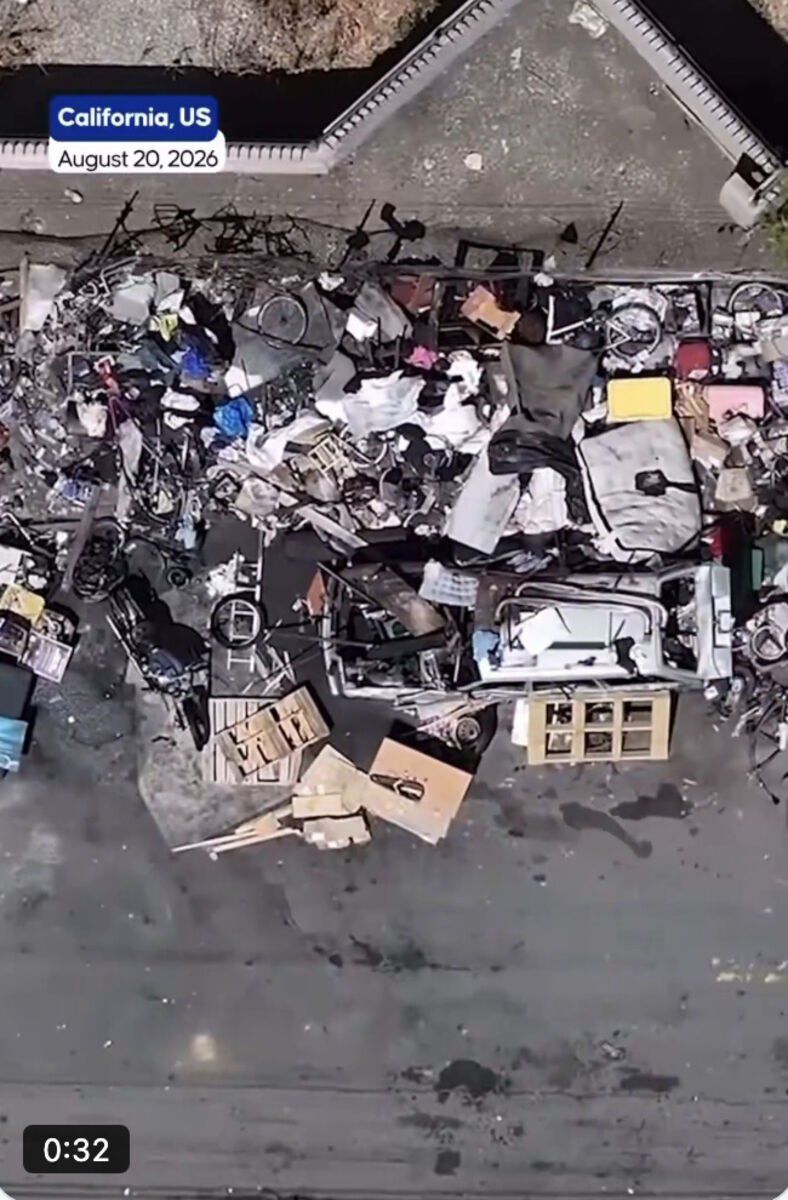
In mid-August 2026, ABC7 reporter Lyanne Melendez posted footage of the long-standing camp along the Harrison Street corridor near Eighth Street in West Berkeley while dropping her son off at university housing. The images showed densely packed tents, tarps, shopping carts, furniture, bicycles, and accumulated trash that in places limited sidewalk access, situated near student residences and commercial areas including a Tesla service facility, less than three miles from UC Berkeley's main campus.
City officials have cited fire hazards, sanitation problems, rodent infestations, and public health risks-including a leptospirosis outbreak earlier linked to the site-as reasons for repeated attempts to clear the area. The encampment has existed for years; its population has fluctuated and at times exceeded 80 people amid delayed cleanups.
Homeless Encampment in the Shadow of UC Berkeley Wins National Attention After Mom's Social Media Post
Efforts to abate the camp have faced prolonged legal challenges. The Berkeley Homeless Union sued the city, arguing that clearances must include adequate accommodations under the Americans with Disabilities Act for residents with disabilities, proper notice, and handling of personal property. U.S. District Judge Edward Chen has issued multiple rulings. In April 2026 he allowed the city to proceed provided it met specific conditions for disabled residents and vehicle dwellers.
More recent orders required the city and advocates to identify potential alternative campsites for a group of about 23 residents, with proposals due by late August, while stating the judge expected the Harrison corridor encampment to be cleared "in short order." Temporary restraining orders and negotiations have repeatedly postponed full sweeps.
Alameda County's 2026 Point-in-Time count showed an overall 13% decline in homelessness from 2024, with a larger drop in unsheltered numbers, though Berkeley recorded a modest increase. Statewide, California counted roughly 182,000 people experiencing homelessness in the prior year after years of high numbers, even as some counties reported reductions amid billions spent on housing programs, shelters, and services.
The situation captures a distinctly California dynamic. In one of the world's wealthiest and most innovative regions-home to a premier public university, high-tech industry, and progressive local politics-visible street encampments persist amid extreme housing costs, complex legal protections for unhoused people, competing claims of public health versus individual rights, and cycles of lawsuits that delay municipal action. Similar scenes have played out in other California cities where policy experiments, court interventions, and the scale of the housing and mental-health challenges produce prolonged, highly visible tensions between neighborhood quality of life and efforts to house the most vulnerable.
As of late August 2026, the city continued working through court-mandated steps while the encampment remained a point of public frustration and debate.



Reader Comments(0)