
Community, Diversity, Sustainability and other Overused Words


Community, Diversity, Sustainability and other Overused Words
KitKat's passing has amplified long-simmering tensions, with graffiti reading "Kill a Waymo!"
San Francisco Mourns 'Mayor of 16th Street' After Beloved Bodega Cat KitKat Fatally Struck by Waymo Robotaxi.
San Francisco Mourns 'Mayor of 16th Street' After Beloved Bodega Cat KitKat Fatally Struck by Waymo Robotaxi
SAN FRANCISCO (November 3, 2025) – In the heart of the Mission District, where the hum of late-night taquerias mingles with the buzz of autonomous vehicles, a quiet tragedy unfolded last week that has left a neighborhood in collective grief. KitKat, the nine-year-old gray tabby cat known affectionately as the "Mayor of 16th Street," was fatally struck by a Waymo self-driving taxi on October 27, igniting fresh outrage over the expansion of robotaxis in San Francisco and prompting calls for tighter regulations.
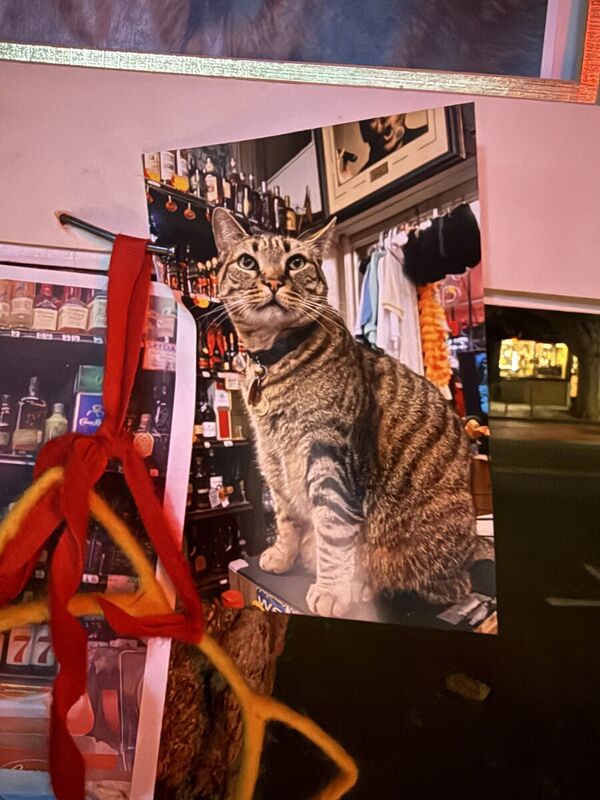
KitKat, a fixture at Randa's Market on the corner of 16th and Valencia streets, was more than just a shop cat. For nearly a decade, the free-roaming feline greeted customers with headbutts and purrs, napping on shelves stocked with candy bars – a nod to his candy-named moniker – and patrolling the block like a whiskered sentinel. "He was a one-of-a-kind cat. He brought joy to so many people," said Mike Zeidan, the market's owner, his voice cracking during an interview with local reporters. "People loved him."
The incident occurred around 11:30 p.m. near the Roxie Theater, just steps from Randa's. Witnesses described a chaotic scene: A Waymo Jaguar I-Pace, Alphabet's flagship robotaxi, had pulled to the curb to pick up passengers when KitKat, lounging nearby, darted underneath the vehicle. As the car pulled away, its right rear tire rolled over the cat, leaving him critically injured on the pavement. A bartender from the nearby Delirium bar rushed the limp animal to an emergency vet, but KitKat succumbed to his injuries shortly after.
Accounts of the moments leading up to the crash vary, fueling the community's simmering anger. An anonymous 311 complaint filed the next day alleged the Waymo "did not even try to stop and hit the cat at a fast speed," claiming the vehicle was positioned near a transit lane and failed to swerve or brake. One driver, trailing the robotaxi in a Subaru Outback, told The San Francisco Standard he saw the Waymo "swerve in front of us" before bystanders on the sidewalk began shouting and pulled KitKat from under the wheels. "Killed the neighborhood's baby," read one anguished comment on the city's complaint portal.
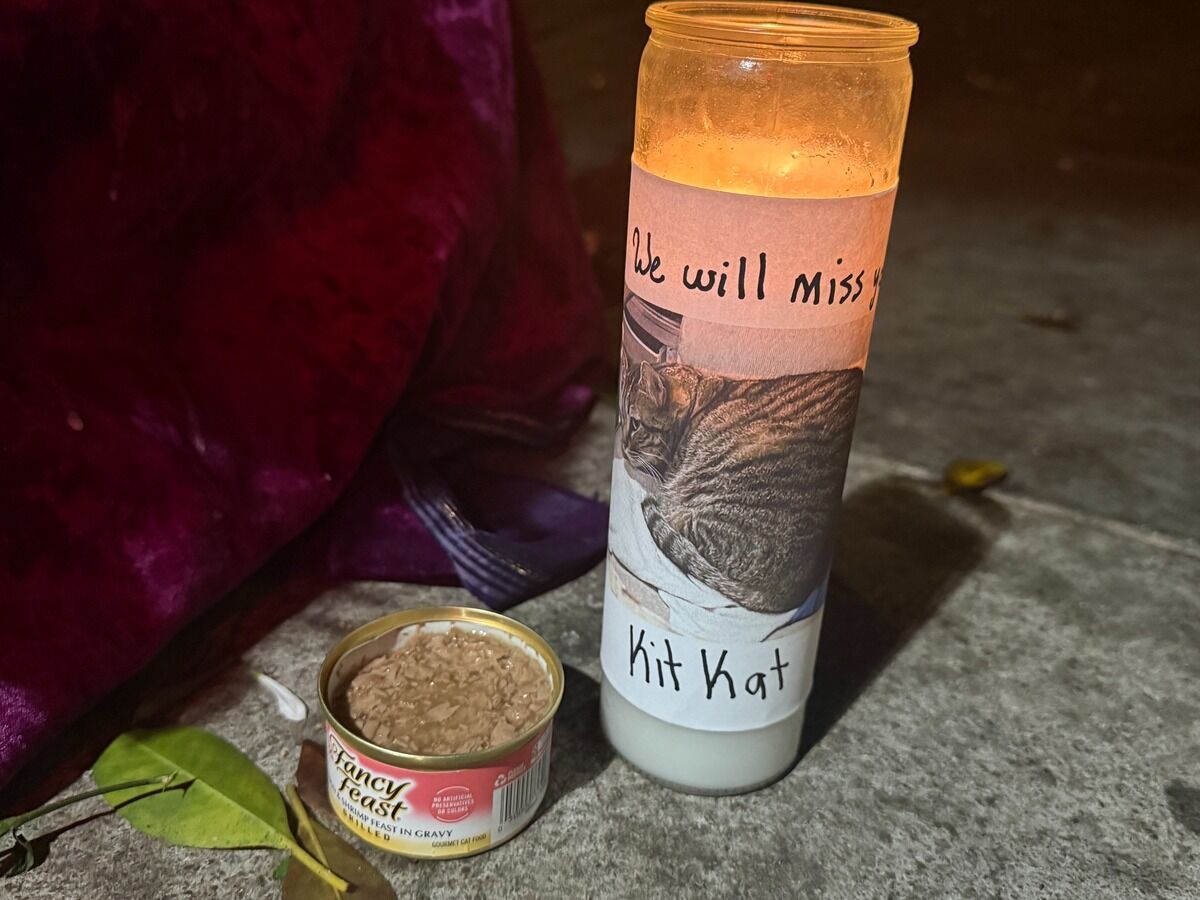
San Francisco Mourns 'Mayor of 16th Street' After Beloved Bodega Cat KitKat Fatally Struck by Waymo Robotaxi
Waymo, which operates a fleet of over 700 driverless vehicles in the city, acknowledged the incident in a statement Thursday, expressing sympathy but stopping short of full responsibility. "While our vehicle was stopped to pick up passengers, a nearby cat darted under our vehicle as it was pulling away," the company said. "We send our deepest sympathies to the cat's owner and the community who knew and loved him, and we will be making a donation to a local animal rights organization in his honor." The firm has not released video footage from the vehicle's sensors, citing an ongoing internal review, nor clarified protocols for bystanders attempting to halt a moving robotaxi.
The death has struck a raw nerve in a city already weary of autonomous vehicle mishaps. California's Department of Motor Vehicles has logged 884 collisions involving self-driving cars since 2014, including prior animal strikes: a Waymo fatally hit a dog in Bernal Heights in 2023, while a Cruise vehicle injured – but did not kill – a Labrador in the same year. KitKat's passing has amplified long-simmering tensions, with graffiti reading "Kill a Waymo!" spotted on nearby walls and social media erupting in memes and calls to boycott ride-hailing apps.
Online, the story went viral, blending heartbreak with pointed critique.
Constance Li, founder of the nonprofit Sentient Futures, posted on X: "This is what algorithmic bias looks like: ... Kit Kat ... was hit and killed by a Waymo vehicle, which witnesses said 'did not even try to stop.'" Tech commentator Jake Gagain echoed the sorrow: "This is such a sad story. A Waymo autonomous vehicle fatally struck a nine year old tabby cat named KitKat earlier this week in San Francisco." Even Elon Musk, Tesla's CEO and a rival in the self-driving race, weighed in on X, replying to a post citing annual U.S. roadkill statistics: "True, many pets will be saved by autonomy." His optimistic spin drew backlash, with users questioning whether "saving pets" justifies the risks in densely populated neighborhoods.
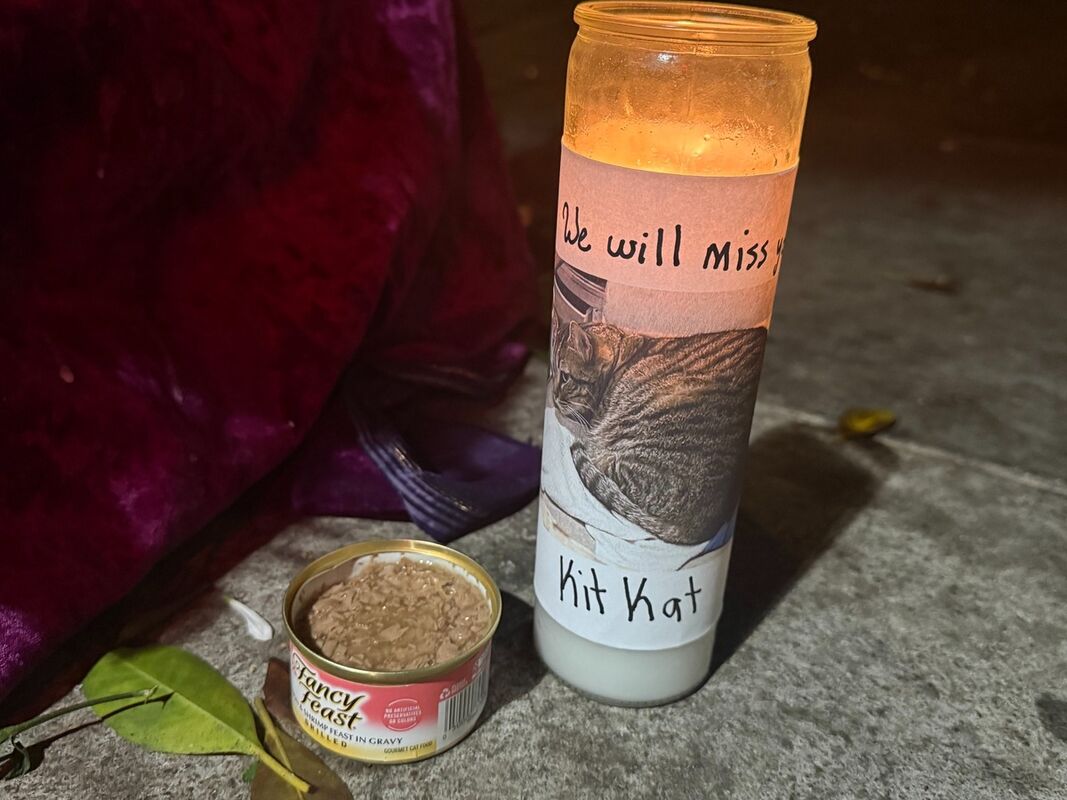
By Friday, a makeshift sidewalk memorial had bloomed outside Randa's Market: flowers, half-eaten candy bars, and a framed photo of KitKat mid-yawn, surrounded by notes from grieving locals. "The best city bodega cat anyone could ever ask for," one read. "His lil pet requests meant a lot for some of us passing through." Zeidan, who closed the store early several days this week, said the loss feels like "a hole in the block."
The tragedy has spurred political action. On Monday, San Francisco Supervisor Dean Preston announced plans for a resolution urging state lawmakers to grant counties authority to ban or restrict driverless vehicles, potentially putting it to voters. "San Francisco isn't a lab for unchecked tech experiments," Preston said in a statement. "From traffic chaos to this heartbreaking loss, it's clear we need local control." Advocacy groups like Walkup, which has long campaigned against robotaxis, called the incident "a wake-up call," demanding transparency in crash data and mandatory human safety drivers during peak hours.
As Waymo continues its expansion – now serving San Francisco, Daly City, and parts of San Mateo County – KitKat's story underscores a broader unease: In a city racing toward a driverless future, who – or what – gets left behind? For now, the Mission District pauses to remember its mayor, one paw print at a time.


Reader Comments(0)