
Community, Diversity, Sustainability and other Overused Words


Community, Diversity, Sustainability and other Overused Words
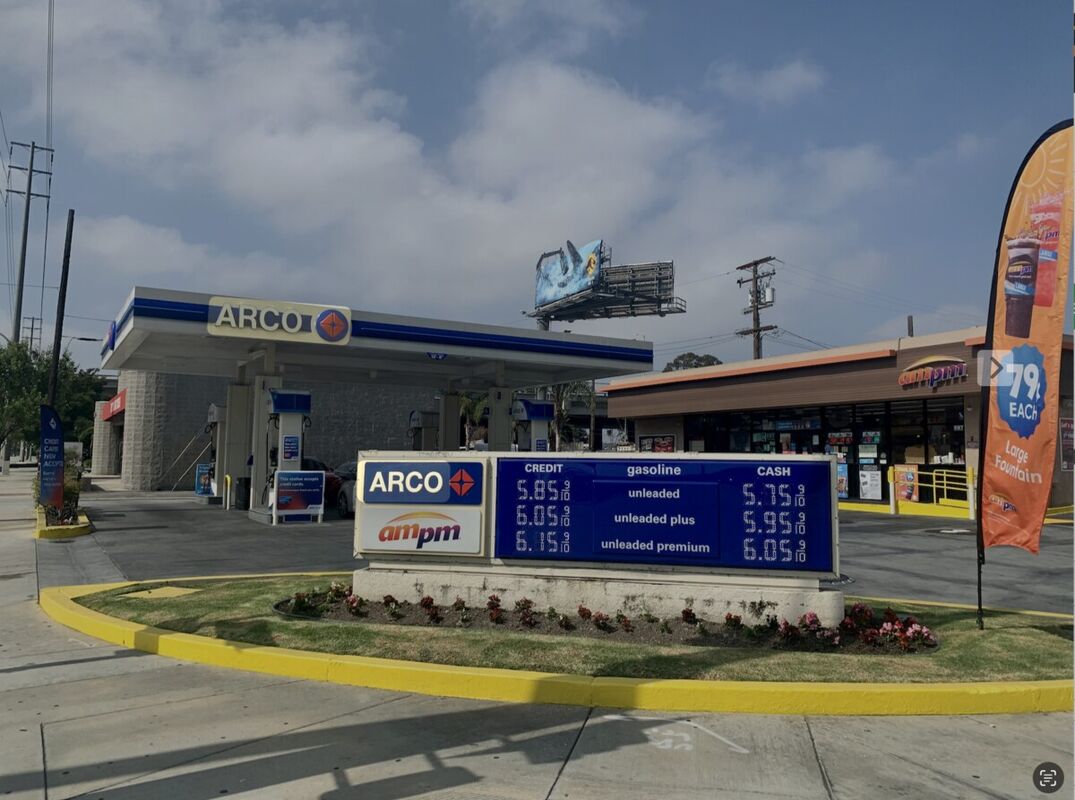
A USC Marshall School of Business analysis by Professor Michael Mische projected prices could surge 75% to between $7.35 and $8.44 per gallon by the end of 2026
A USC Marshall School of Business analysis by Professor Michael Mische projected prices could surge 75% to between $7.35 and $8.44 per gallon by the end of 2026
As California heads into 2026, the state's gasoline market faces significant disruption from the closures of two major refineries: Phillips 66's Los Angeles-area facility, which ceased operations in the fourth quarter of 2025, and Valero's Benicia refinery, scheduled to shut down by April 2026. Together, these closures eliminate roughly 17-20% of California's in-state refining capacity, raising concerns about supply shortages, increased reliance on imports, and higher prices at the pump.
The New York Times, in a September 2025 article, highlighted the looming impact, noting that the loss of these facilities could drive prices up by "a dozen cents to several dollars per gallon." With California's average gas price hovering around $4.32-$4.45 as of late December 2025-still well above the national average of under $3-this warning suggests potential spikes pushing prices toward $7 or $8 in severe scenarios.
Other sources echo and amplify these concerns. A USC Marshall School of Business analysis by Professor Michael Mische projected prices could surge 75% to between $7.35 and $8.44 per gallon by the end of 2026, factoring in the combined closures, new regulations like amendments to the Low Carbon Fuel Standard, higher taxes, and cap-and-trade costs. Conservative outlets and Republican lawmakers, such as Senate Minority Leader Brian Jones, have cited this study to warn of $8+ gas, blaming Governor Gavin Newsom's environmental policies for driving refiners out.
More extreme forecasts from some analysts and media reports even suggest $10-$12 per gallon in worst-case shortages, though these appear less common and tied to prolonged disruptions.
However, not all experts agree on such dramatic increases. The U.S. Energy Information Administration (EIA) anticipates only a small rise in West Coast prices in 2026, offset by lower crude oil costs. UC Davis economists estimate a more modest $1.21 total added cost per gallon by mid-2026 from both closures. State officials, including Newsom's administration, emphasize measures like minimum inventory requirements and potential imports to mitigate spikes, while pointing to declining gasoline demand from electric vehicle adoption as a buffer.
Refiners cite a mix of factors for the exits: declining demand, high operating costs, and California's stringent regulations, including emissions standards and recent laws empowering regulators to manage maintenance and stockpiles. Phillips 66 framed its decision as a business choice amid market dynamics, while Valero highlighted regulatory pressures and fines.
The reality lies in the nuance: Prices will likely rise due to tighter supply and costlier imports for California's unique fuel blend, but hitting $8 statewide remains a high-end projection rather than consensus. Volatility and regional spikes are the greater risks as the state navigates its energy transition. Drivers should prepare for higher costs in 2026, though mitigation efforts and falling demand may cap the worst outcomes.



Reader Comments(0)