
Community, Diversity, Sustainability and other Overused Words


Community, Diversity, Sustainability and other Overused Words
The White House shared an image on X (formerly Twitter) showing Maduro, blindfolded and restrained in casual clothing, aboard the vessel. The couple is en route to New York
The White House shared an image on X (formerly Twitter) showing Maduro, blindfolded and restrained in casual clothing, aboard the Iwo Jima. The couple is en route to New York, where they will face charges.
The White House shared an image on X (formerly Twitter) showing Maduro, blindfolded and restrained in casual clothing, aboard the vessel. The couple is en route to New York
Caracas, Venezuela - January 3, 2026 -- In a stunning escalation of U.S. foreign policy, American military forces conducted a large-scale strike on Venezuela early Saturday, resulting in the capture of President Nicolás Maduro and his wife, Cilia Flores. President Donald Trump announced the operation, describing it as a successful effort to apprehend Maduro on longstanding U.S. criminal charges.
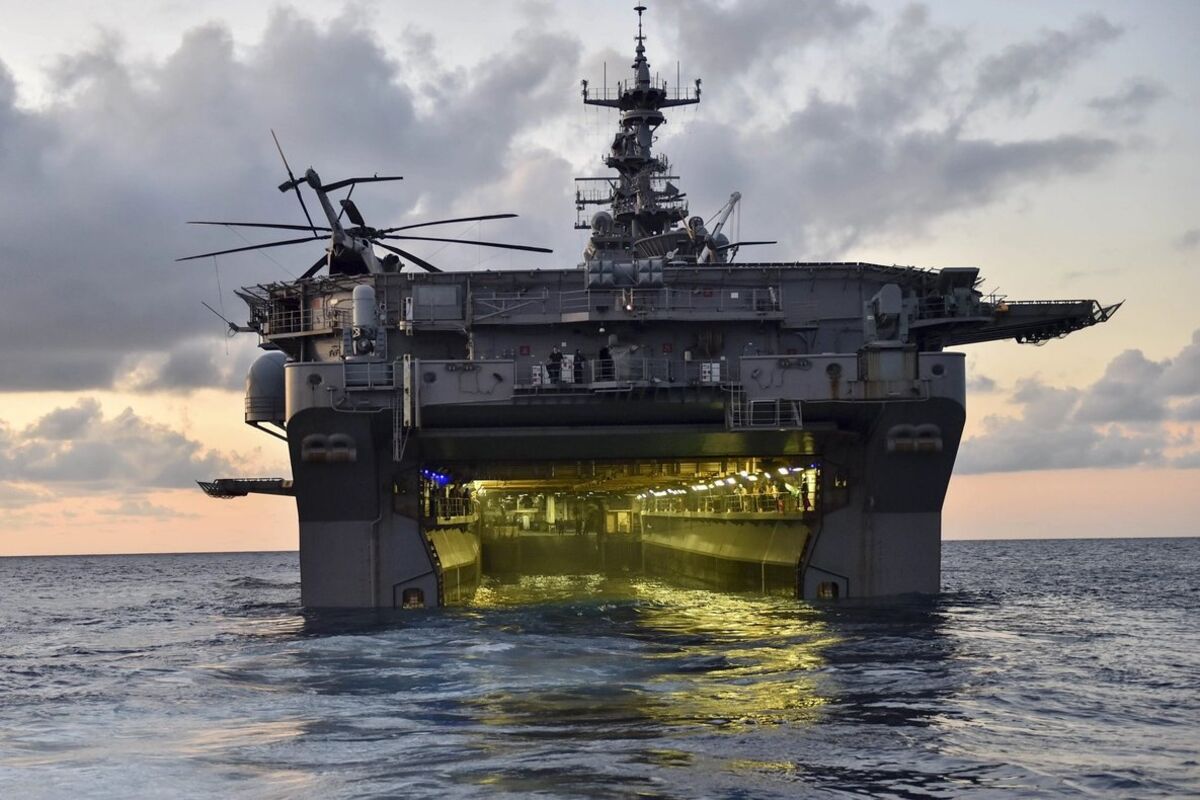
The raid, reportedly involving elite U.S. Army Delta Force operators, took place amid a series of explosions and power outages in Caracas. Witnesses reported low-flying aircraft and blasts near key sites, including La Carlota airport and the Fuerte Tiuna military complex. Maduro and his wife were extracted from a heavily fortified safehouse and transferred by helicopter to the USS Iwo Jima, an amphibious assault ship operating in the Caribbean.
The White House shared an image on X (formerly Twitter) showing Maduro, blindfolded and restrained in casual clothing, aboard the vessel. The couple is en route to New York, where they are expected to face federal charges in Manhattan.
U.S. Attorney General Pam Bondi confirmed that Maduro and Flores have been indicted in the Southern District of New York on charges including narco-terrorism conspiracy, cocaine importation conspiracy, possession of machine guns and destructive devices, and related offenses. These stem from a 2020 indictment accusing Maduro of leading the "Cartel de los Soles," a alleged drug trafficking network involving Venezuelan officials and Colombian rebels, aimed at flooding the U.S. with cocaine.
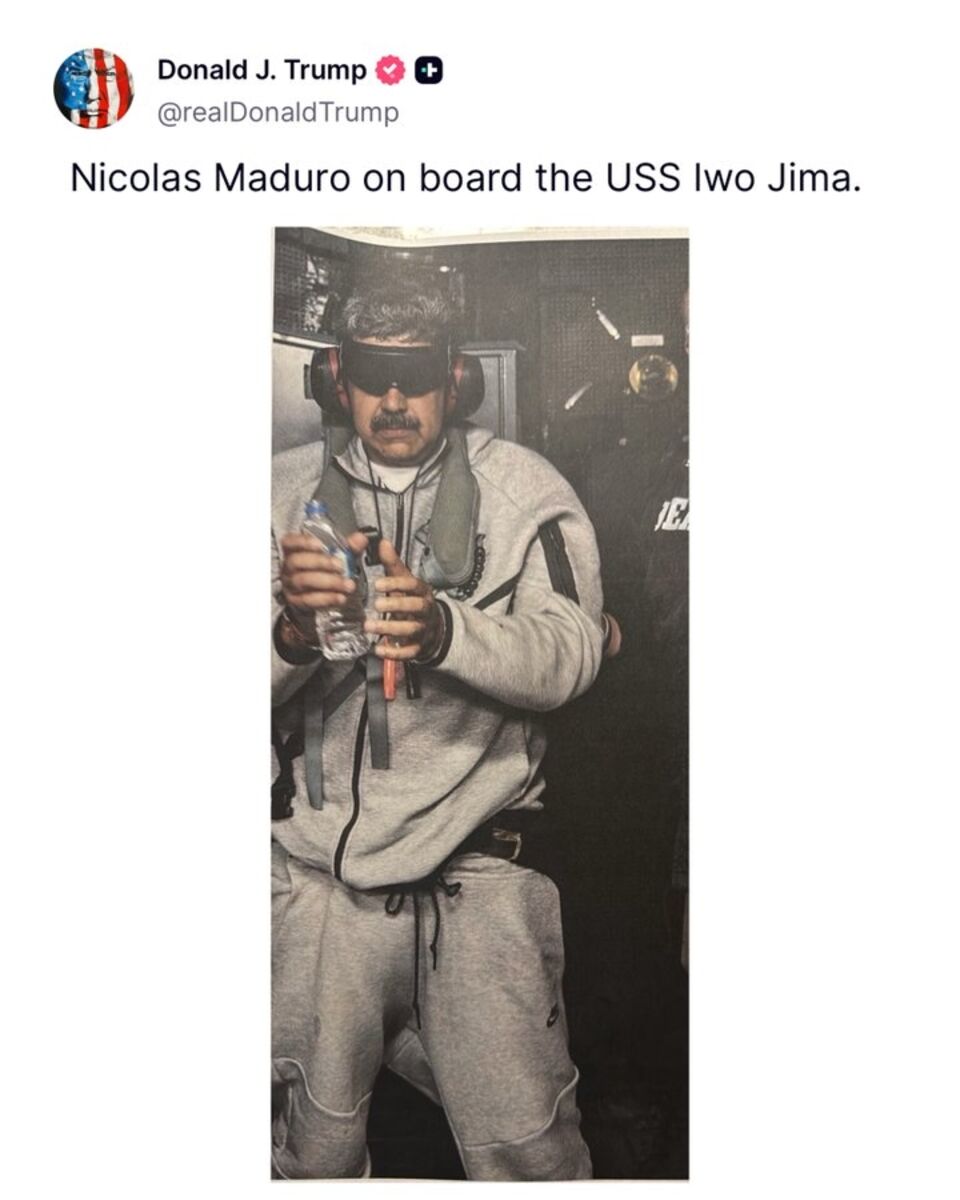
The White House shared an image on X (formerly Twitter) showing Maduro, blindfolded and restrained in casual clothing, aboard the vessel. The couple is en route to New York
"This operation was done in conjunction with U.S. law enforcement," Trump stated in a post on Truth Social, which was reposted by White House accounts. He added that the U.S. would "run" Venezuela temporarily to facilitate a transition, while emphasizing involvement in the country's vast oil industry.
The action marks the most direct U.S. intervention in Latin America since the 1989 invasion of Panama, which also targeted a leader accused of drug trafficking. Venezuelan Vice President Delcy Rodríguez denounced the strikes as "military aggression" and demanded proof of life for Maduro and Flores. Government officials in Caracas declared a state of emergency, insisting the regime remains in control.
International reactions were swift and divided. Russia called for clarification, while some Latin American leaders condemned the operation. In the U.S., Republicans largely praised the move, with Secretary of State Marco Rubio reiterating that Maduro is not Venezuela's legitimate leader. Democrats criticized it as an unauthorized act of war.
Exiled Venezuelan opposition figures, including María Corina Machado, celebrated the development, viewing it as a step toward restoring democracy after Maduro's disputed 2024 reelection.
As Maduro heads to U.S. soil to face justice, questions linger about Venezuela's future governance and the long-term implications of this bold U.S. military action. A White House news conference provided further details, underscoring the operation's focus on enforcing existing arrest warrants without broader occupation plans-at least for now.


Reader Comments(0)