
Community, Diversity, Sustainability and other Overused Words


Community, Diversity, Sustainability and other Overused Words
Petting-induced aggression or overstimulation is a frequent issue in cats where they seem to enjoy petting at first but then suddenly lash out . . . . .
petting-induced aggression or overstimulation. This is a frequent issue in cats where they seem to enjoy petting at first but then suddenly lash out
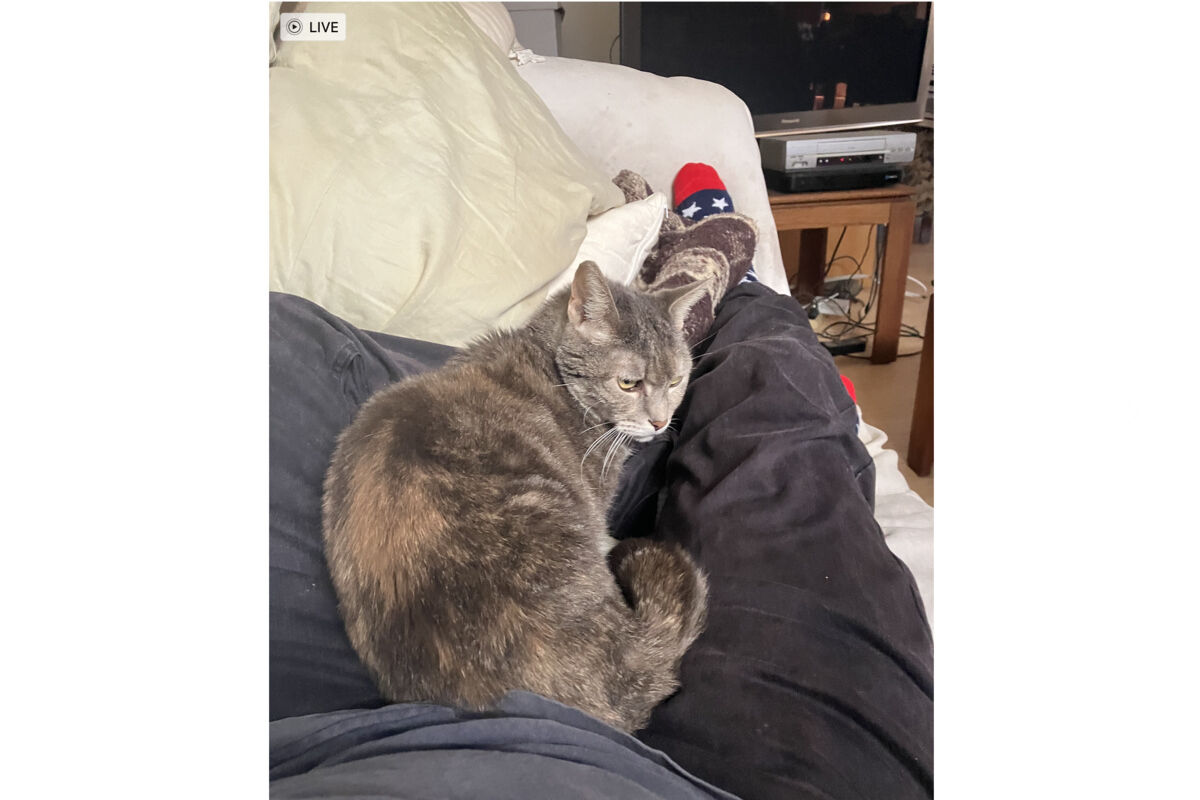
I have a 13 year old female cat. we give her appetite stimulant because she's under weight. I was petting her in my lap. I stopped, and left my hand on her paw lightly. Suddenly she attacked my hand and bit it. She's done stuff like this 2 other times to me and twice to my wife, recently. my wife says maybe she didn't like that I stopped petting her, or maybe she didn't like that i was petting her. i overstimulated her, she said. I think it's the appetite stimulant. who's right?
Your wife's explanation aligns more closely with common feline behavior patterns, particularly what's known as petting-induced aggression or overstimulation. This is a frequent issue in cats where they seem to enjoy petting at first but then suddenly lash out-often because prolonged touch builds up sensory overload, leading to irritation or discomfort. It's especially common when touching sensitive areas like paws, which many cats find intrusive even if the contact is light. The fact that the biting happened right after you stopped petting but left your hand on her paw fits this scenario perfectly, as the residual touch can push them over the edge. Signs of impending overstimulation include tail twitching, ear flattening, or skin rippling, but some cats give little warning.
That said, at 13 years old, sudden behavioral changes like this could also stem from underlying pain or medical issues, which are top causes of aggression in senior cats. Arthritis, dental problems, hyperthyroidism, or even cognitive decline (similar to dementia in humans) might make her more irritable, especially if petting aggravates a sore spot. Her underweight status suggests she might have an ongoing health condition that's contributing to this sensitivity.
As for the appetite stimulant, it's less likely the direct culprit, though not impossible. Common ones like mirtazapine (Mirataz) or cyproheptadine are generally well-tolerated for stimulating eating in cats, with primary side effects being drowsiness, vocalization, hyperactivity, or dry mouth-aggression isn't a standard reported issue in typical doses. However, some cats can experience excitability or behavioral shifts as a paradoxical reaction, which might indirectly heighten reactivity during interactions. If the biting started around the time you began the medication, it could be a factor, but it's more probable that her age, health, or the petting itself is the root.
To sort this out, I'd recommend a vet visit to rule out pain, illness, or medication adjustments-bloodwork could check for things like thyroid issues. In the meantime, try shorter petting sessions (5-10 seconds), focus on her preferred spots (like chin or cheeks), and watch her body language to stop before she gets annoyed. If it's overstimulation, that should help reduce incidents.


Reader Comments(0)