
Community, Diversity, Sustainability and other Overused Words


Community, Diversity, Sustainability and other Overused Words
Artemis III, the first manned lunar landing since Apollo 17 in December 1972, is currently planned for 2027, with NASA describing it as targeting "no earlier than mid-2027."
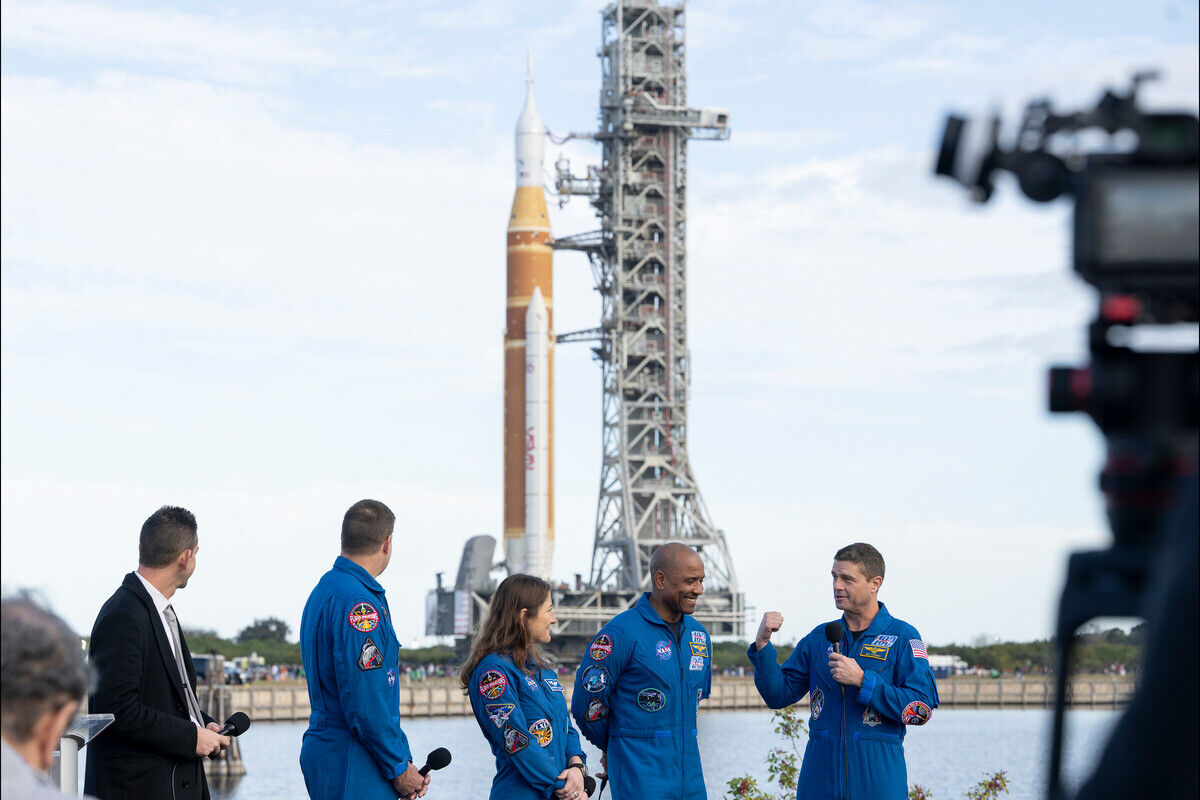
The crew of Artemis II. Artemis III, the first manned lunar landing since Apollo 17 in December 1972, is currently planned for 2027, with NASA describing it as targeting "no earlier than mid-2027."
Santa Monica, CA – January 18, 2026 – With the Space Launch System (SLS) rocket now at Launch Pad 39B for the upcoming Artemis II mission (targeted no earlier than February 6, 2026), attention is turning to the follow-on flight that will achieve the long-awaited return of humans to the lunar surface.
Artemis III, the first manned lunar landing since Apollo 17 in December 1972, is currently planned for 2027, with NASA describing it as targeting "no earlier than mid-2027." This timeline follows recent adjustments, including a delay announced in late 2024 due to challenges with Orion's heat shield performance from Artemis I and ongoing development of key systems like SpaceX's Starship Human Landing System (HLS).
The mission will send four astronauts aboard Orion to lunar orbit using the SLS rocket. There, two crew members will transfer to the Starship HLS, descend to the Moon's south polar region, conduct approximately one week of surface exploration-including moonwalks, sample collection, scientific experiments, and observations of the lunar environment-and then return to lunar orbit to rejoin the rest of the crew for the trip back to Earth. The full mission is expected to last about 30 days.
The south pole landing site is chosen for its potential water ice deposits in permanently shadowed craters, which could support future sustainable lunar presence and serve as a stepping stone for eventual human missions to Mars.
NASA officials emphasize that Artemis III depends on the success of Artemis II's crewed lunar flyby, which will test Orion and SLS with humans aboard in deep space for the first time. Additional factors, such as final certification of advanced spacesuits from Axiom Space and completion of an unmanned Starship HLS demonstration, could influence the exact timing.While some sources note broader windows (such as before the end of 2028) and expert skepticism about meeting the schedule due to complex integrations, NASA's official updates as of early 2026 consistently point to 2027 as the target year for this historic landing.
This milestone would mark the beginning of sustained human exploration at the Moon, with subsequent missions (Artemis IV and beyond) planned to build infrastructure like the Lunar Gateway station and expand surface capabilities in the late 2020s and early 2030s.

Reader Comments(0)