
Community, Diversity, Sustainability and other Overused Words


Community, Diversity, Sustainability and other Overused Words
Artemis II is scheduled to launch no earlier than February 6, 2026, sending four astronauts on a roughly 10-day journey that will take them around the Moon and back to Earth
Artemis II is scheduled to launch no earlier than February 6, 2026, sending four astronauts on a roughly 10-day journey that will take them around the Moon and back to Earth
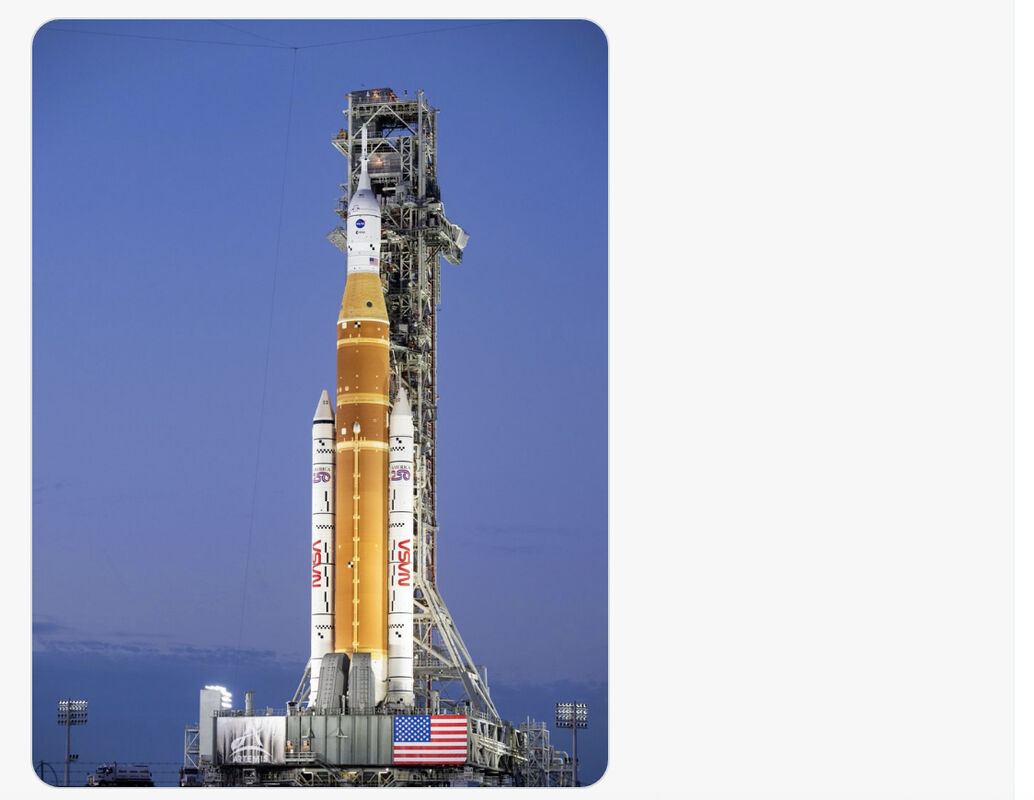
January 18, 2026 – In a major milestone for NASA's Artemis program, the massive Space Launch System (SLS) rocket topped with the Orion spacecraft completed its slow journey to Launch Pad 39B at NASA's Kennedy Space Center in Florida on Saturday, January 17, 2026. The 322-foot-tall vehicle, weighing approximately 11 million pounds, traveled about 4 miles from the Vehicle Assembly Building at roughly 1 mile per hour, taking nearly 12 hours to reach the pad.
This rollout paves the way for final testing, including a wet dress rehearsal by early February, as the agency prepares for the first crewed lunar mission in more than 50 years. Artemis II is scheduled to launch no earlier than February 6, 2026, sending four astronauts on a roughly 10-day journey that will take them around the Moon and back to Earth.
The crew includes:Commander Reid Wiseman (NASA), Pilot Victor Glover (NASA), Mission Specialist Christina Koch (NASA), Mission Specialist Jeremy Hansen (Canadian Space Agency)
This mission marks several historic firsts: Glover will be the first person of color to travel to the vicinity of the Moon, Koch the first woman, and Hansen the first non-American and first Canadian.Artemis II is a test flight designed to validate the SLS rocket and Orion spacecraft with humans aboard in deep space. The astronauts will not land on the Moon but will follow a lunar flyby trajectory, venturing farther from Earth than any humans since the Apollo 17 mission in 1972.During the flight, the crew will perform critical tasks to confirm the spacecraft's performance in the actual deep-space environment.
Key activities include:Assessing and testing life support systems that generate breathable air and remove carbon dioxide and water vapor produced by breathing, talking, or exercising.
Evaluating these systems across varying conditions, such as during high-metabolic exercise periods and low-metabolic sleep periods. Conducting manual control demonstrations, navigation using stars, proximity operations, and other system checks to ensure Orion operates as designed. Performing science investigations from their unique vantage point closer to the Moon and farther from Earth than any previous human mission in over half a century.
A successful Artemis II will provide essential data to certify the systems for future landings, paving the way for Artemis III (planned to return humans to the lunar surface) and eventual long-term lunar presence as a stepping stone to Mars exploration.
The dramatic dusk image of the fully stacked rocket at the pad, illuminated against the launch tower and American flag, has captured widespread attention, reflecting excitement for this next chapter in human spaceflight. NASA teams will now proceed with propellant loading tests and countdown rehearsals in the coming weeks.

Reader Comments(0)