
Community, Diversity, Sustainability and other Overused Words


Community, Diversity, Sustainability and other Overused Words
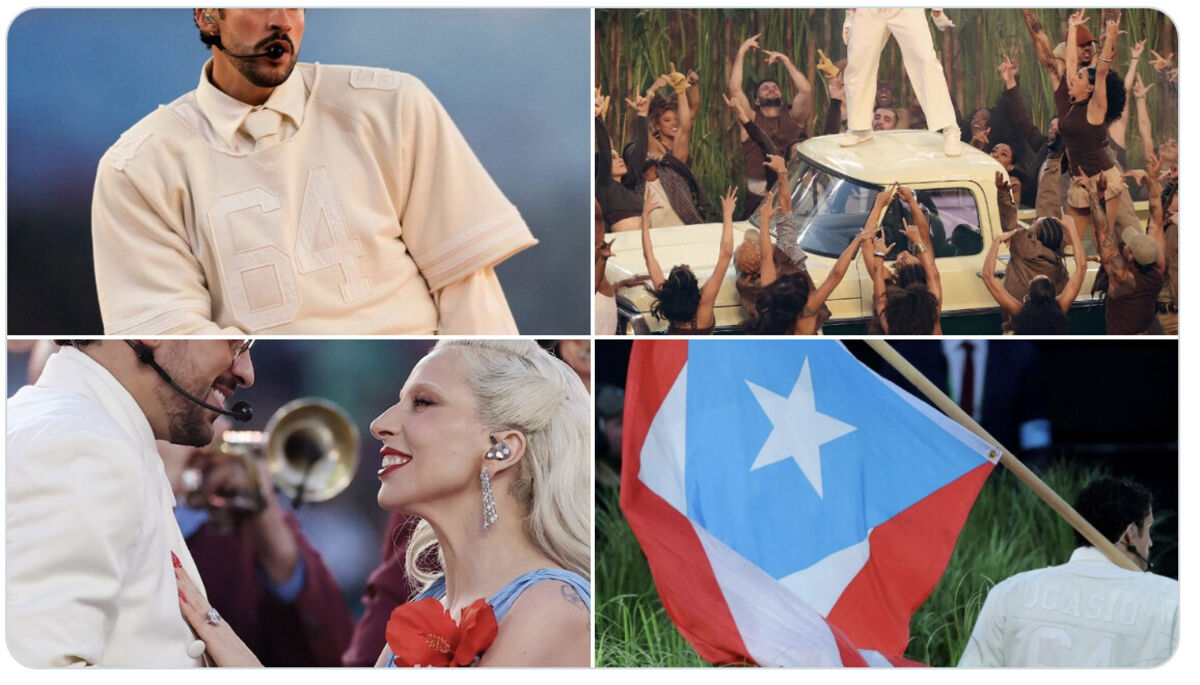
The performance paid homage to Puerto Rican roots, with nods to historical and political themes (e.g., subtle anti-colonial references via flag colors and imagery).
Bad Bunny at Super Bowl LX
Bad Bunny at Super Bowl LX
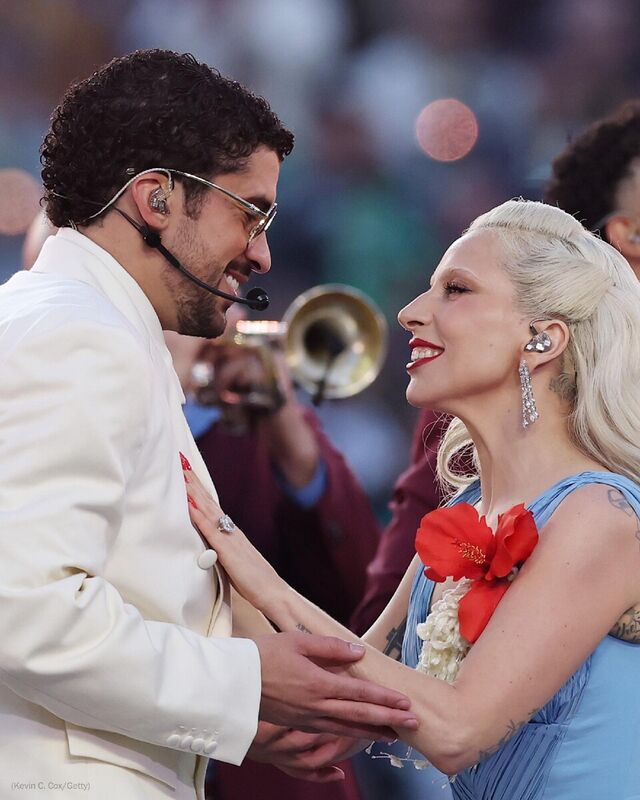
Lady Gaga with Bad Bunny
Bad Bunny (Benito Antonio Martínez Ocasio) delivered a controversial and highly celebrated halftime performance at Super Bowl LX on February 8, 2026, at Levi's Stadium in Santa Clara, California.
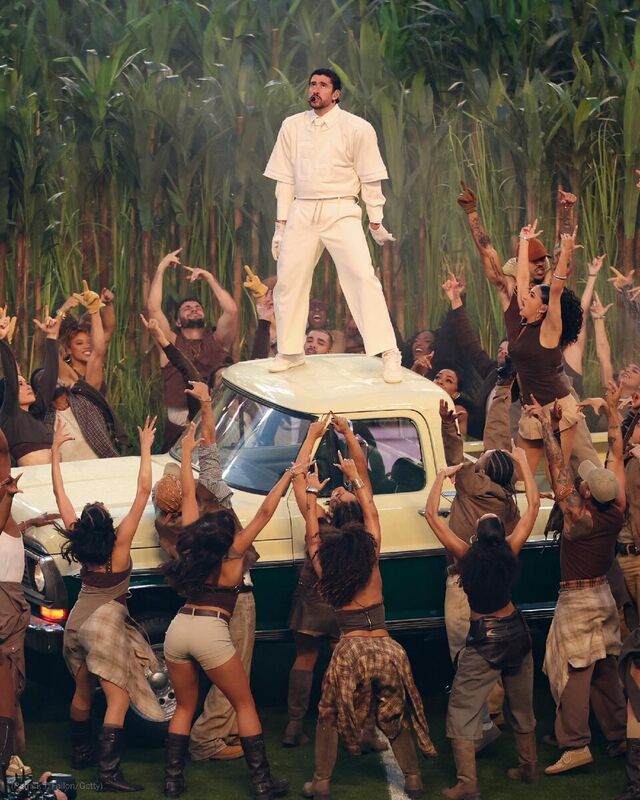
This marked the first time a Latin artist headlined the Super Bowl halftime show solo, and it was performed entirely in Spanish, making it a groundbreaking celebration of Puerto Rican and broader Latin culture.The roughly 13-minute set was described as an exuberant, high-energy spectacle filled with elaborate stage design (starting with sugar cane fields evoking Puerto Rican heritage), vibrant choreography, massive pyrotechnics (nearly 10,000 theatrical effects like fireworks and colored smoke), nearly 400 costumed extras, and a powerful message of unity, love, and cultural pride.
It included symbolic elements like a real-life wedding vignette (with Bad Bunny as a witness), a house party atmosphere, and a finale where he spiked a football inscribed with "Together, we are America" after marching down the field like scoring a touchdown.Key Highlights and GuestsSurprise guests included Lady Gaga (joining for a salsa-infused version of "Die with a Smile") and Ricky Martin (on "LO QUE LE PASÓ A HAWAii"). Other cameos featured stars like Karol G, Cardi B (nodding to their collab "I Like It"), Pedro Pascal, Jessica Alba, and more, who appeared in vignettes.
The performance paid homage to Puerto Rican roots, with nods to historical and political themes (e.g., subtle anti-colonial references via flag colors and imagery), while emphasizing inclusion and resilience.
It closed with uplifting messages like a Jumbotron display saying "the only thing more powerful than hate is love," massive Puerto Rican flags in fireworks, and Bad Bunny shouting "God Bless America" while naming countries across the Americas.

Lady Gaga with Bad Bunny
Setlist (Compiled from Multiple Reports)The medley blended his biggest hits, recent tracks from his Grammy-winning Album of the Year Debí Tirar Más Fotos, and some covers/homages:"Tití Me Preguntó"
"Yo Perreo Sola"
"Safaera"
"Party" (or similar upbeat track)
"Voy a Llevarte Pa’ PR"
"Eoo" / "EoO"
"Monaco"
"Die with a Smile" (with Lady Gaga, salsa twist)
"BAILE INOLVIDABLE"
"NUEVAYoL"
"LO QUE LE PASÓ A HAWAii" (with Ricky Martin)
"El Apagón"
"Café Con Ron"
"Debí Tirar Más Fotos" (closing track)
He wore a custom off-white football jersey with "Ocasio 64" (honoring his late uncle) over a shirt and tie, carrying a football throughout.Reception and ControversyThe show drew massive viewership (estimates around 135 million, a record for some metrics) and widespread praise for its spectacle, cultural representation, and feel-good vibes—even non-Spanish speakers enjoyed the energy and visuals. Many called it a triumph of Latin pride and unity.However, it sparked backlash from some conservative critics and figures (including reported comments from President Trump labeling it "terrible," a "slap in the face," or un-American, criticizing the lack of subtitles, Spanish-only lyrics, and perceived "division" or "degenerate" elements). Debates focused on language, immigration undertones, and cultural representation amid political tensions. Despite this, it was broadly seen as a success and a bold statement.Bad Bunny's post-show social media wipe (deleting posts, removing profile pics, etc.) added to the buzz, with fans speculating it ties into a new era or response to the mixed reactions. Overall, it was a landmark moment that boosted his streams and cultural impact.
Why did he delete his social media accounts right after the performance?
Bad Bunny (real name Benito Antonio Martínez Ocasio) headlined the Super Bowl LX halftime show on February 8, 2026. "Ocasio" refers to his own surname, as seen in his performance jersey labeled "Ocasio 64" (a tribute to his late uncle).Hours after the performance, he deleted all posts from his Instagram account (@badbunnypr
), removed his profile picture, and unfollowed everyone. He did something similar on X (formerly Twitter), wiping his profile photo and unfollowing accounts there too. His Instagram bio was left with just a link to his 2025 album Debí Tirar Más Fotos (which won Album of the Year at the 2026 Grammys), and his massive follower count (over 50 million on Instagram) remained intact.Bad Bunny has not publicly explained the reason for this major social media reset. Reports describe it as mysterious or shocking to fans. Common speculations include:Preparing for a big announcement or new music era (he's done similar "wipes" before major releases).
Responding to mixed reactions and backlash to his halftime show, which was historic as the first primarily in Spanish. It celebrated Puerto Rican/Latin culture with guests like Ricky Martin and Lady Gaga, but drew criticism from some conservative figures (including reported comments from President Trump calling it un-American or a "slap"). Some outlets noted political controversy, including overtones related to immigration, unity messages, and cultural representation.
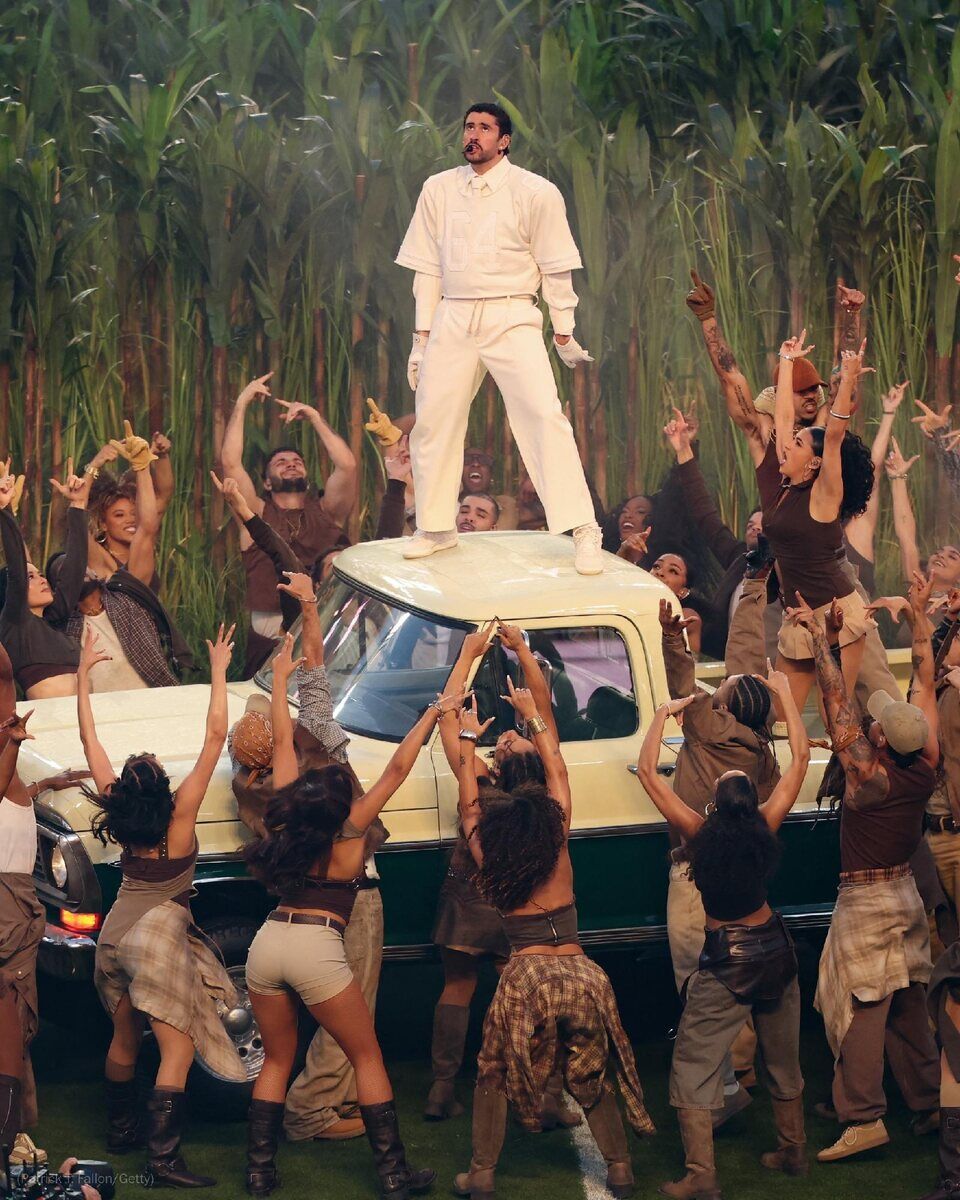
Bad Bunny at Super Bowl LX
As of February 10, 2026, no official statement from him clarifies it—it's likely a deliberate artistic or personal move rather than anything more dramatic.
Bad Bunny's nickname origin comes from a childhood experience he has shared in multiple interviews (including with ET in 2018 and on TODAY in 2025). As a young boy (around age 6), he was forced to dress up in a bunny costume for school or an Easter event. In a photo from that day, he had an annoyed or frustrated expression on his face—he remembers being mad about it, even if he doesn't look super angry in the picture.He decided to adopt "Bad Bunny" as his stage name because of that "angry bunny" vibe. He thought it was catchy and marketable: bunnies are cute and common, so pairing "bad" with it creates a memorable contrast.
As he explained, "There’s no bad bunnies, I think—even a bad bunny’s gonna look like a good bunny. It fit perfect on me because I could be bad, I could be good." This playful, rebellious edge aligned with his personality and helped make his name stick when he started uploading music to SoundCloud.
Regarding his sexual orientation: Bad Bunny (real name Benito Antonio Martínez Ocasio) has not publicly identified as gay, bisexual, or part of the LGBTQ+ community in terms of his own identity. He has been a strong ally for years—challenging macho stereotypes in reggaeton, wearing skirts and nail polish, performing in drag for videos like "Yo Perreo Sola," kissing a male backup dancer onstage (e.g., at the VMAs), and advocating for LGBTQ+ rights.In a 2020 LA Times interview, he described himself as seeing sexuality as fluid (like many in his generation), saying it "does not define me." He added: "At the end of the day, I don’t know if in 20 years I will like a man. One never knows in life. But at the moment I am heterosexual and I like women." As of 2026 (including recent coverage around his Super Bowl performance), he has not made any public statements changing this—he continues to reject strict labels, emphasize personal freedom over definitions, and focus on inclusivity rather than categorizing his own attractions.Rumors persist due to his gender-fluid fashion, performances, and allyship, but he has addressed accusations of "queerbaiting" by noting he faces homophobic backlash despite not identifying as gay. He keeps his private life private while promoting acceptance.


Reader Comments(0)