
Community, Diversity, Sustainability and other Overused Words


Community, Diversity, Sustainability and other Overused Words
Explosions reported in Tehran, including near central areas and facilities linked to the Islamic Revolutionary Guard Corps (IRGC) Intelligence Directorate. Iranian state media confirmed hearing blasts in the capital
Various images from around Iran. 2.28.26
President Trump
TEHRAN/TEL AVIV - In a rapidly intensifying operation, Israel-coordinated with the United States-has expanded its preemptive strikes against Iran on Saturday, February 28, 2026, with confirmed hits on the key city of Esfahan (also spelled Isfahan) and an apparent attack near the offices and residence area of Supreme Leader Ayatollah Ali Khamenei in Tehran.
Explosions were reported in multiple Iranian cities, including Tehran, Esfahan, Karaj, Kermanshah, and Qom, according to Iran's semi-official Fars news agency and other local sources. Thick smoke rose over downtown Tehran, particularly from the district where Ayatollah Khamenei normally resides and maintains offices, with witnesses and Iranian media describing massive blasts in central areas near University Street, Jomhouri, and the supreme leader's compound. An Iranian official confirmed to Reuters that Khamenei has been moved to a secure location and was not in Tehran at the time of the strikes.
Israeli Defense Minister Israel Katz reiterated that the operation is "pre-emptive" or "preventative" to eliminate threats to Israel, following the collapse of U.S.-mediated nuclear talks. A senior Israeli official told Reuters that the strikes were planned for months and coordinated with the U.S., targeting regime sites, military facilities, and likely nuclear-related infrastructure.
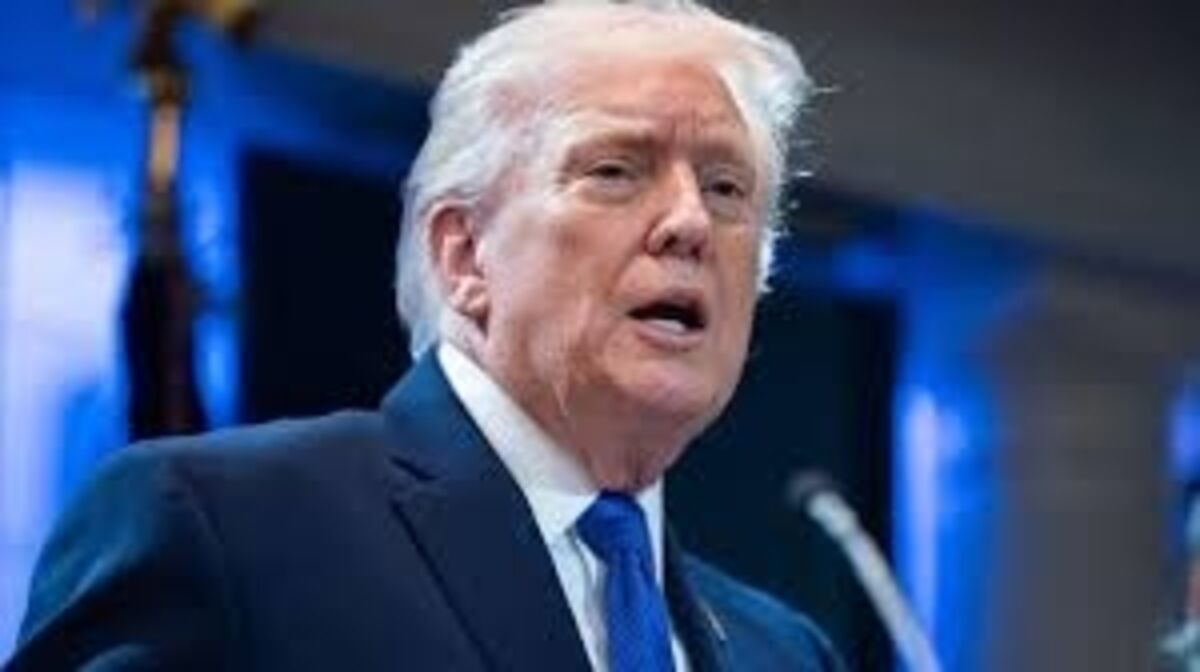
President Trump
Esfahan, home to the Esfahan Nuclear Technology Center (ENTC)-a critical site for Iran's uranium conversion and enrichment activities-was among the locations hit, with blasts reported in the city. This echoes prior strikes on the facility during the June 2025 Israel-Iran conflict, where the site sustained damage but has shown signs of rebuilding efforts in recent satellite imagery. No immediate details on radiation leaks or specific damage to nuclear components were available, though the International Atomic Energy Agency (IAEA) has previously noted activity at Esfahan amid heightened tensions.
The strikes mark a significant escalation from initial reports, involving joint U.S.-Israeli action after President Donald Trump warned of severe consequences if Iran did not dismantle its nuclear program. U.S. officials have confirmed American participation, though the full scope remains unclear. Israel declared a state of emergency, closed its airspace to civilian flights, shut schools and workplaces, and sounded nationwide sirens in anticipation of Iranian retaliation via missiles, drones, or proxies.
Iranian state media confirmed explosions in the capital and other provinces, with air defenses activated. The attack comes as indirect U.S.-Iran negotiations-focused on demands for full dismantlement of facilities like Fordow, Natanz, and Esfahan-appear definitively over, with Iran rejecting U.S. terms for zero enrichment and permanent restrictions.
This is the second major direct confrontation in under a year, following the 2025 exchanges that depleted missile defense stockpiles on both sides.
Analysts warn of potential widespread Iranian response, including through Hezbollah, Iraqi militias, or direct barrages, which could further disrupt global oil supplies and draw in additional actors.
The Santa Monica Observer will provide ongoing updates as more details emerge, including casualty reports, damage assessments, and any Iranian counterstrikes. Southern California residents with connections to the region should monitor official U.S. and Israeli government advisories for travel and safety information.



Reader Comments(0)