
Community, Diversity, Sustainability and other Overused Words


Community, Diversity, Sustainability and other Overused Words
A 24-year-old statistics master's student in a sleek satin orange dress posted a polished selfie with the caption: "Why am I still single?"
Am I Pretty: Why Young Attractive Women Seek Validation, Dates by Posting on Social Media
A 24-year-old statistics master's student in a sleek satin orange dress posted a polished selfie with the caption: "Why am I still single?"
In early April 2026, a familiar scene unfolded across X (formerly Twitter). A 24-year-old statistics master's student in a sleek satin orange dress posted a polished selfie with the caption: "Why am I still single?" The post quickly racked up thousands of likes, tens of thousands of views, and hundreds of replies-mostly compliments, flirtatious offers, and sympathetic takes on modern dating. She wasn't alone. Similar posts from other young, conventionally attractive women in their early-to-mid 20s popped up in quick succession: elegant dresses, confident angles, vulnerable emojis, and the same lingering question.
It's not entirely new, but the recent flurry feels amplified. These women aren't posting from a place of obvious desperation. Many appear successful, educated, and put-together. So why turn to social media for answers about their single status?
The Dopamine Loop of Digital Affirmation
At its core, these posts tap into a powerful psychological mechanism: the search for external validation. Social media platforms are engineered to deliver quick hits of approval through likes, comments, and shares. For attractive young women-who often sit high in the online attention hierarchy-a flattering photo paired with a relatable "why me?" caption becomes low-effort, high-reward content. The replies flood in: "You're perfect," "Guys are idiots," or direct DMs sliding into flirtation. Each notification lights up the brain's reward centers, much like a slot machine payout.
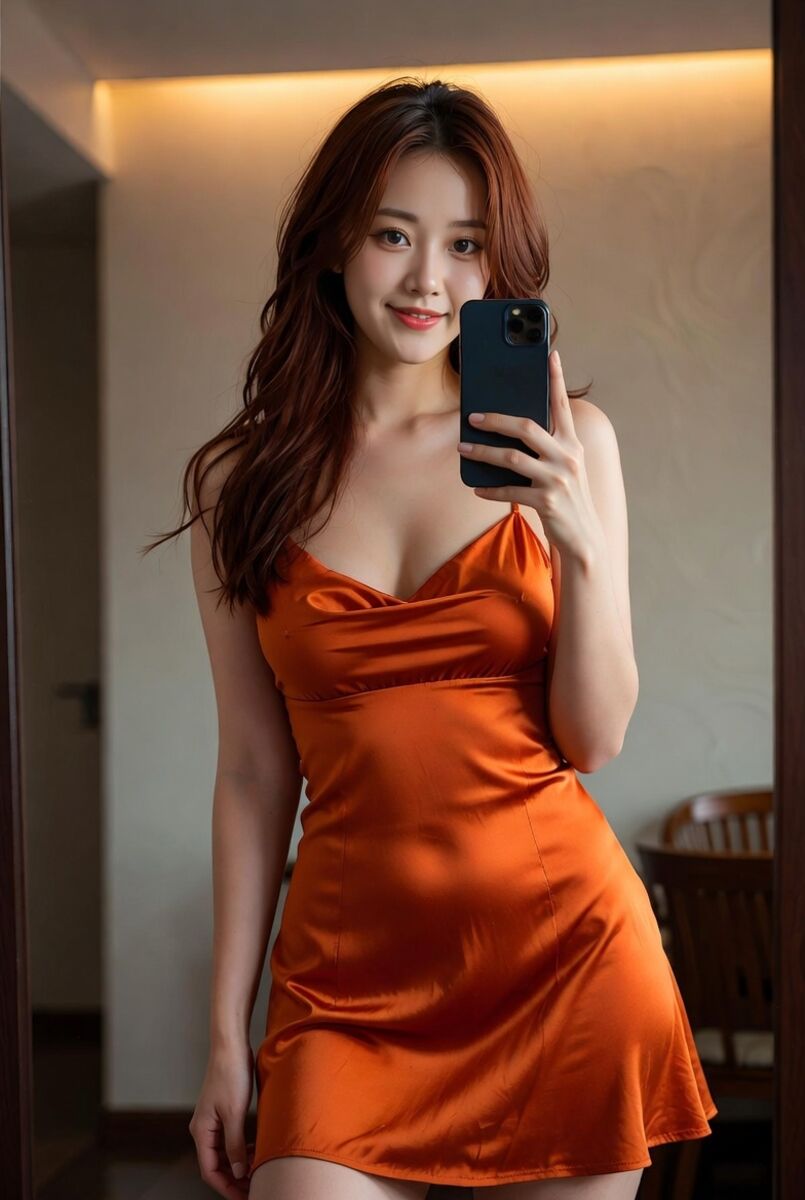
A 24-year-old statistics master's student in a sleek satin orange dress posted a polished selfie with the caption: "Why am I still single?"
This isn't just harmless fun. Research and cultural commentary have long pointed out how platforms like Instagram, TikTok, and X turn self-worth into a performance metric. Even women who seem to "have it all" on paper can crave the instant ego boost that real-world interactions don't always provide as reliably or abundantly. Posting becomes a way to test desirability without the vulnerability of in-person rejection.
Beyond Validation: Fishing for Connection in a Noisy Market
Some posts are genuine attempts to put themselves out there. Dating apps have left many young people-especially women-feeling burned out from endless swiping, ghosting, and low-effort "talking stages." In 2025 and into 2026, conversations around "dating app fatigue" and the "dating recession" have grown louder. A viral X post can feel like a more passive, curated alternative: broadcast availability, let high-quality men (hopefully) emerge from the replies.
Yet the reality often falls short. Reply sections tend to fill with thirsty comments or generic praise rather than substantive conversations. The attention economy rewards volume over depth. Women receive abundant but frequently low-quality validation, which can reinforce selectivity or highlight mismatches in expectations. Men, meanwhile, see an open invitation and compete with mass compliments, diluting any individual signal.
The Cultural Backdrop: Choosing Themselves... With a Side of Likes
Broader trends provide context. Articles like Vogue India's January 2026 piece "2025 was the year single women chose themselves. Will they continue in 2026?" captured a cultural shift toward embracing singlehood as empowering and aspirational. After years of situationships, disappointment, and societal pressure, many women declared independence from mediocre dating. Single positivity became chic.
At the same time, social media complicates that narrative. The same platforms amplifying "I don't need a man" content also reward the vulnerable pretty-girl post. It creates a feedback loop: independence is celebrated, but so is being desired. Posting "Am I pretty enough? Why am I still single?" allows both-signaling strength while quietly (or not so quietly) inviting male attention.
Critics point out potential blind spots. High standards shaped by infinite online options, past casual experiences, or an abundance mindset can make settling feel impossible. Success in education or career doesn't always translate to romantic compatibility if emotional availability, reciprocity, or realistic expectations lag behind. As one dating commentator noted, sometimes the question "Why am I still single?" reveals more about internal patterns than external shortages of "good men."
The Attention Economy at Work
Ultimately, these posts thrive because they perform well algorithmically. Pretty visuals + emotional vulnerability = engagement. Some accounts use the momentum for content creation or even subtle monetization funnels. Others simply enjoy the temporary high. In a world where real-life third spaces for meeting people have shrunk and apps feel transactional, social media fills the gap-imperfectly.
Young women posting these selfies in elegant outfits aren't monolithic. Motivations range from innocent validation-seeking and genuine loneliness to strategic signaling or habit. What's clear is the pattern: in 2026, the digital dating marketplace often leaves even the most photogenic participants wondering why connection feels elusive despite abundant attention.
The posts will likely keep coming. They reflect a generation navigating abundance and burnout simultaneously-where being told "you're beautiful" by hundreds of strangers is easier than building something real with one. Whether it leads to dates, deeper self-reflection, or just another dopamine cycle depends on the individual. For now, the question lingers in comment sections and timelines alike: "Why am I still single?"
In the end, the mirror and the algorithm both have answers-but neither replaces the work of showing up authentically offline.
This piece draws on the recent X trend you highlighted (including the Ginny O'Brian example), psychological insights into validation-seeking, dating app fatigue reports, and cultural pieces like the Vogue singlehood discussion. It balances observation with nuance for a lifestyle read. Let me know if you'd like adjustments, a different tone, or expansions!


Reader Comments(0)