
Community, Diversity, Sustainability and other Overused Words


Community, Diversity, Sustainability and other Overused Words
First flight of men to deep space since 1972, as four astronauts are strapped in and ready to orbit the Moon.
NASA's Artemis II Mission Blasts Off: First Manned Lunar Mission in Over 50 Years is Underway
Historic flight marks return of humans to deep space as four astronauts prepare to orbit the Moon
Christina Koch
NASA's Artemis II Mission Blasts Off: First Manned Lunar Mission in Over 50 Years is UnderwayCape Canaveral, Fla. - April 1, 2026 - NASA's Space Launch System (SLS) rocket lifted off from Launch Complex 39B at Kennedy Space Center at 6:35 p.m. EDT (22:35 UTC), carrying four astronauts aboard the Orion spacecraft Integrity on Artemis II - the first crewed mission beyond low-Earth orbit since Apollo 17 in 1972.
The SLS Block 1 rocket, generating approximately 9 million pounds of thrust from its four RS-25 core-stage engines and two solid rocket boosters, propelled the 322-foot stack to orbit in about eight minutes, reaching speeds of nearly Mach 23 (more than 17,600 mph) and an altitude of roughly 161.5 km before core-stage separation.
The Interim Cryogenic Propulsion Stage (ICPS) then performed burns to raise the orbit, followed by a Translunar Injection (TLI) maneuver that accelerated Orion to approximately 24,500 mph (39,429 km/h), sending the crew on a free-return trajectory around the Moon.
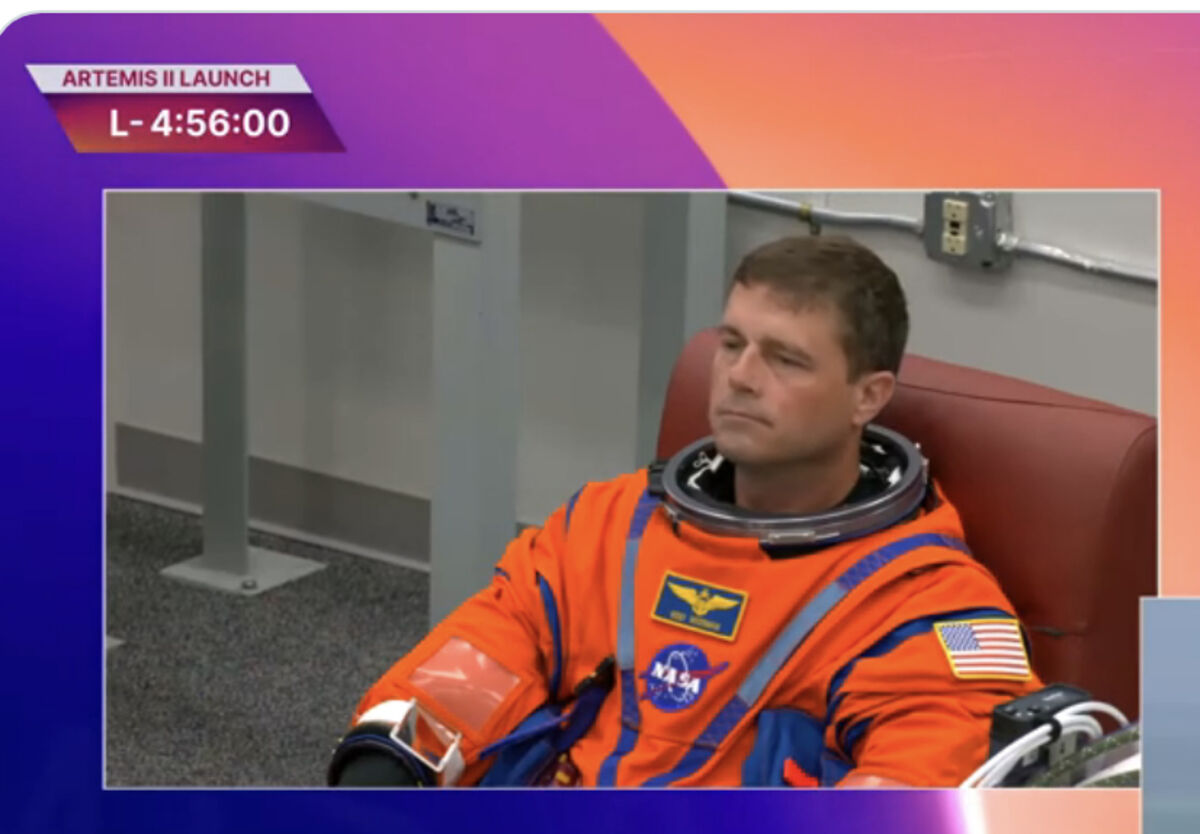
Aboard are NASA astronauts Commander Reid Wiseman, Pilot Victor Glover, and Mission Specialist Christina Koch, along with Canadian Space Agency astronaut Mission Specialist Jeremy Hansen - the first non-U.S. citizen to travel beyond low-Earth orbit. The approximately 10-day mission will cover more than 685,000 miles total. After launch, Orion will complete about two orbits of Earth before the ICPS burn commits the spacecraft to a hybrid free-return path that uses the gravity of Earth and the Moon to loop around the lunar far side and return naturally, even without further propulsion.
The crew is scheduled to reach closest approach to the Moon - approximately 4,047 to 4,700 miles (6,513 to 7,600 km) beyond the far side - around Day 5 or 6 of the mission, traveling as far as roughly 250,000 miles from Earth (surpassing the Apollo 13 record). At that point, they will lose communications with Earth for 30–50 minutes while behind the Moon. The spacecraft will then slingshot back, with Orion separating from its European Service Module about 20 minutes before reentry.
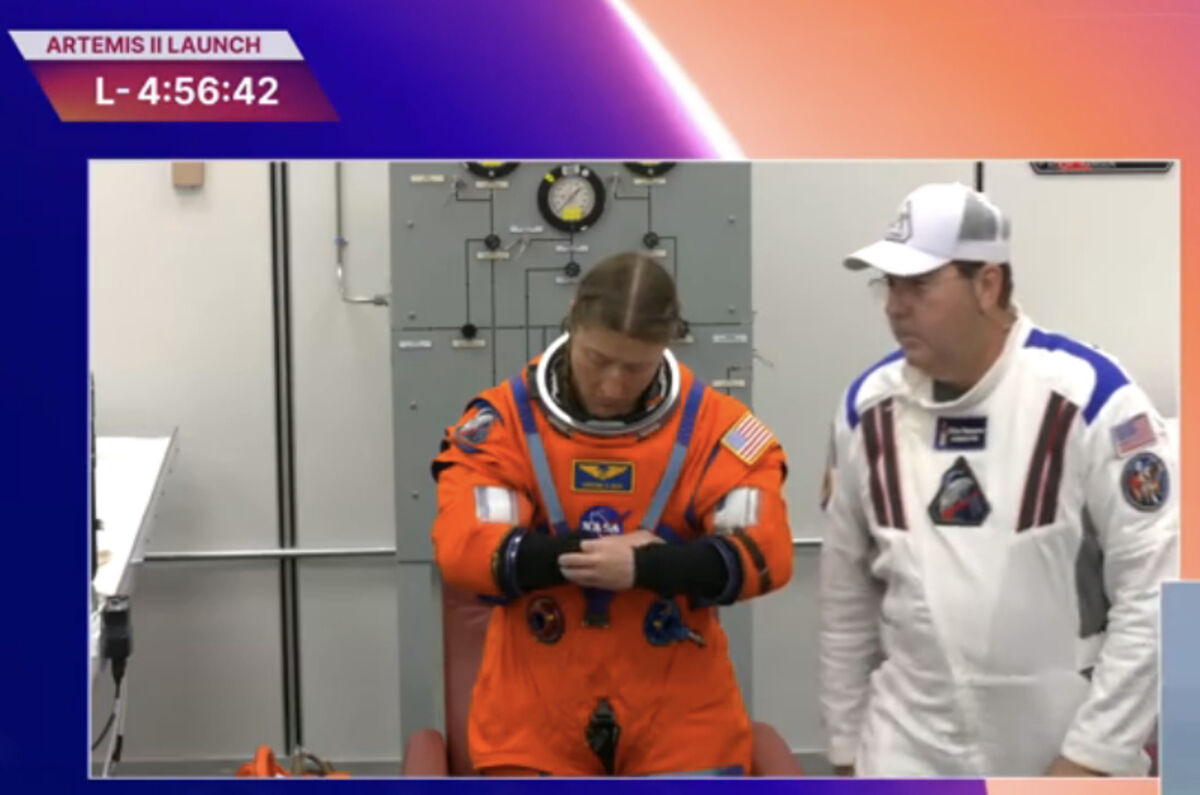
Christina Koch
Reentry will be the most demanding phase: Orion is expected to slam into Earth's atmosphere at approximately 25,000 mph (40,000 km/h) - the fastest crewed reentry speed in history - generating temperatures approaching half the surface of the Sun. Eight parachutes will slow the capsule from Mach 39 to about 17 mph for a splashdown in the Pacific Ocean off San Diego around April 10–11.
NASA designed Artemis II as a rigorous systems test of Orion's life support, heat shield, radiation shelter, and deep-space navigation in the actual environment beyond low-Earth orbit - more than 1,000 times farther from Earth than the International Space Station. No lunar landing or orbit insertion is planned; the focus is verifying performance for future Artemis landings.
Key risks include the unproven performance of the SLS/Orion stack with a crew (flown together only once, uncrewed, on Artemis I), exposure to deep-space radiation and potential solar storms once beyond Earth's protective magnetic field, micrometeoroid and orbital debris impacts, and the high-stakes reentry. The Orion heat shield experienced unexpected char loss and cratering during Artemis I; NASA conducted extensive testing and made operational changes but acknowledges the reentry remains a critical phase with no abort option once committed. Overall crewed mission failure risk has been estimated by some analyses at roughly 1 in 30.
Despite these challenges, the crew expressed confidence in the vehicle. "This is more than a test flight," Wiseman said pre-launch. "We're paving the way for the next generation." Live NASA coverage confirmed solid-rocket-booster separation, core-stage cutoff, and successful solar-array deployment shortly after launch.
Artemis II marks the first step in NASA's plan for sustainable lunar exploration under the Artemis Accords, with international partners like Canada playing key roles. Success will clear the path for Artemis III's crewed lunar landing as early as 2027. As the crew hurtles toward the Moon at escape velocity, humans are once again voyaging into deep space - not just to visit, but to prepare for a permanent presence on the Moon and, eventually, Mars. NASA will provide continuous mission updates via live streams.



Reader Comments(0)