
Community, Diversity, Sustainability and other Overused Words


Community, Diversity, Sustainability and other Overused Words
Stateline goes dark, a victim of competition with California Indian casinos that are much closer to Urban California.
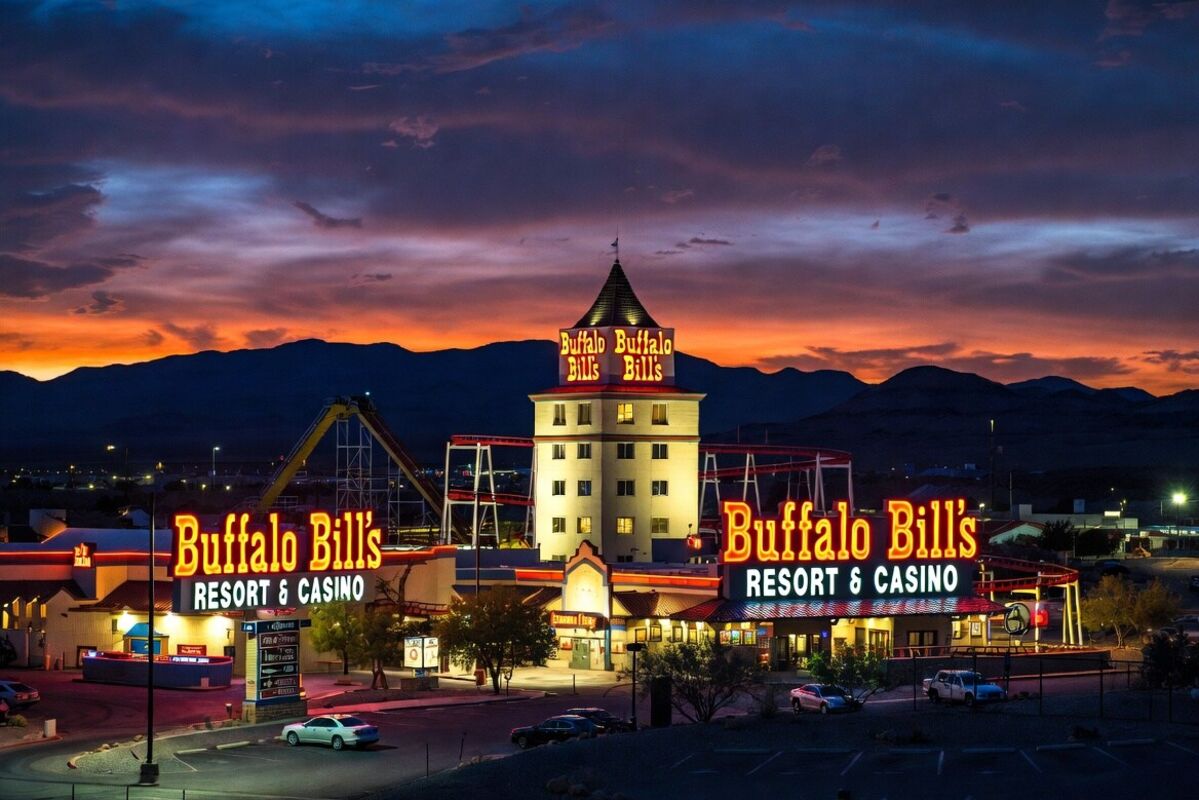
A dramatic dusk shot of Buffalo Bill's Resort & Casino glowing against the Mojave Desert sky. The towering Old West-themed facade and massive neon sign dominate the frame, with the Desperado roller coaster's steel tracks silhouetted dramatically overhead. Warm oranges and deep purples in the sunset, evoking the classic "last chance" roadside allure.
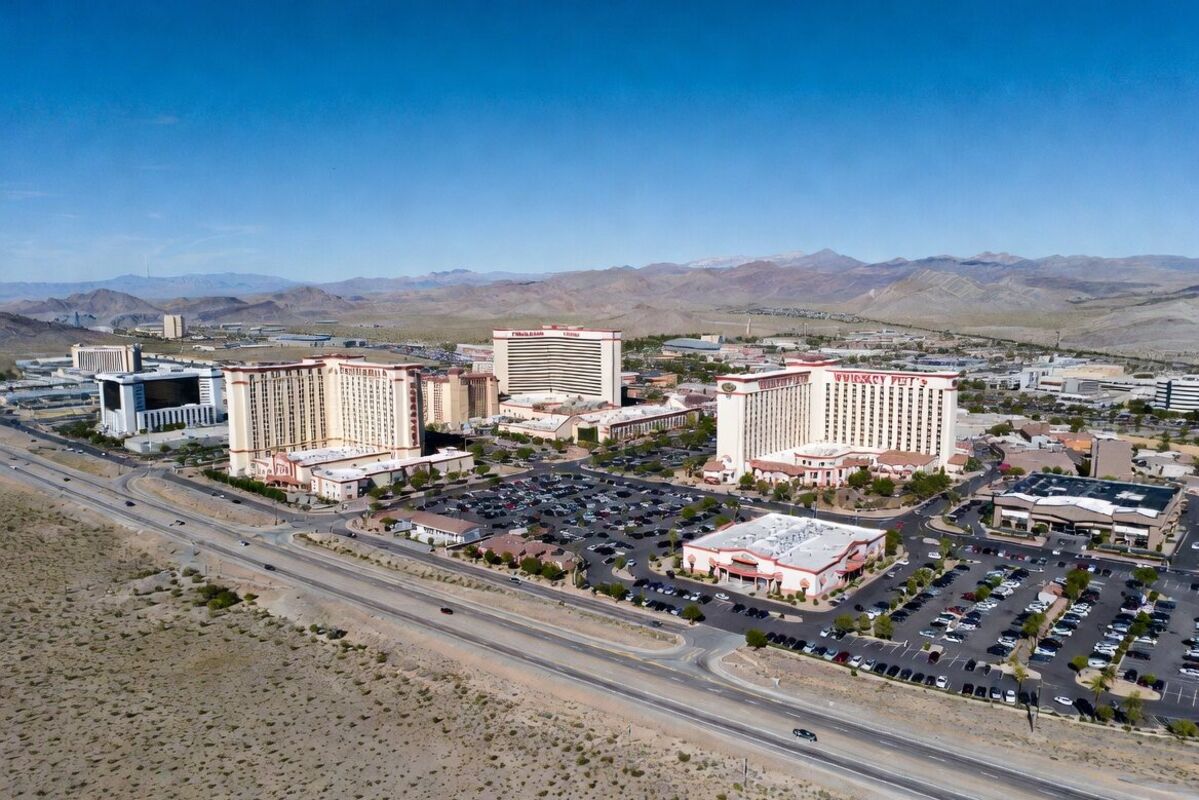
Wide aerial perspective showing the three casino resorts (Buffalo Bill's, Primm Valley, and Whiskey Pete's) clustered along I-15 at the California-Nevada border. Clear desert landscape, interstate highway cutting through, gas stations and outlets visible-highlighting the isolated yet strategic location.
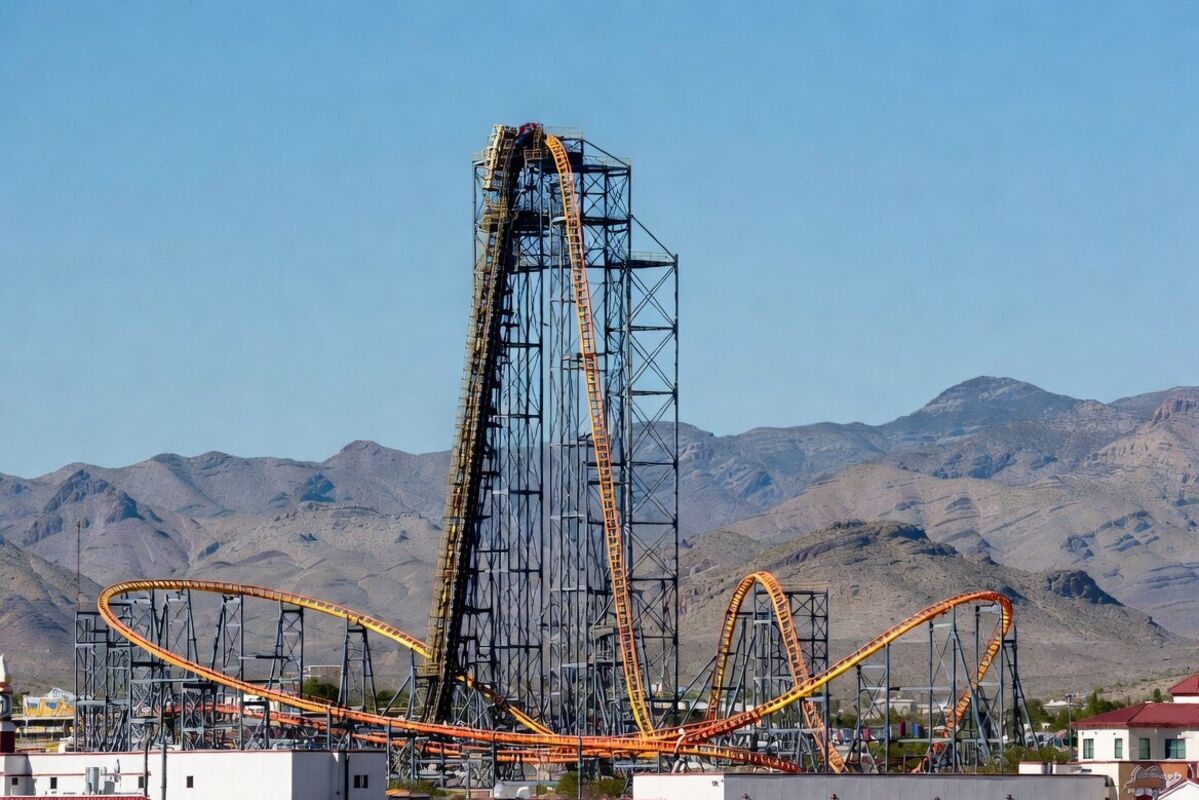
Dynamic shot of the Desperado hypercoaster at Buffalo Bill's, emphasizing its height and thrilling drops against the stark desert backdrop, with the casino visible below.
PRIMM, Nev. - In a stark illustration of the challenges facing roadside gaming destinations in the post-pandemic era, the Primadonna Company has announced the permanent closure of its remaining casino operations in Primm, effective July 4, 2026. The decision encompasses Primm Valley Resort & Casino, along with the already largely shuttered Buffalo Bill's Resort & Casino and Whiskey Pete's Hotel & Casino, as well as associated facilities including Primm Center and the Flying J travel center.
The announcement, communicated to employees on May 6, 2026, marks the culmination of a protracted decline for the cluster of themed resorts located roughly 44 miles south of the Las Vegas Strip at the Interstate 15 state line. Once a vibrant waypoint for Southern California travelers seeking an initial taste of Nevada gaming - complete with Old West motifs, a roller coaster, and outlet shopping - Primm's properties have struggled amid shifting consumer preferences, increased competition, and evolving travel patterns.
A History of Ambition and Attrition

Wide aerial perspective showing the three casino resorts (Buffalo Bill's, Primm Valley, and Whiskey Pete's) clustered along I-15 at the California-Nevada border. Clear desert landscape, interstate highway cutting through, gas stations and outlets visible-highlighting the isolated yet strategic location.
The Primadonna Company developed the properties in phases beginning in the late 1970s. Whiskey Pete's opened in 1977 as a castle-themed casino named after a legendary bootlegger. Buffalo Bill's followed in 1994 with a more elaborate Old West theme, featuring the Desperado roller coaster - once among the tallest and fastest in the world - and the Star of the Desert Arena for concerts. Primm Valley Resort & Casino, the most recent major addition (opened as Primadonna Resort in 1997), offered a more upscale desert aesthetic.
Affinity Gaming acquired the portfolio in 2007. For years, the properties benefited from their strategic location as the first (or last) gambling opportunity for millions of annual drivers between Los Angeles and Las Vegas. Yet structural headwinds mounted. The proliferation of tribal casinos in Southern California siphoned core clientele, while improved highway infrastructure and changing traveler habits reduced dwell time at border stops. Post-COVID recovery proved uneven: visitation skewed heavily toward weekends, rendering full-time staffing of three casino-hotels economically untenable.
Whiskey Pete's closed abruptly in December 2024. Buffalo Bill's ceased 24/7 operations in July 2025, consolidating daily gaming at Primm Valley while retaining limited event-driven use of its arena. Company statements at the time framed the moves as optimizations to "deliver the best possible experience for today's guest expectations," but filings with Clark County and the Nevada Gaming Control Board cited insufficient traffic to sustain multiple full-service properties.
Broader Economic and Regional Context
The closures reflect broader dynamics in Nevada's gaming economy. While the Las Vegas Strip has rebounded through convention business, high-end amenities, and international visitation, peripheral and value-oriented destinations have faced steeper challenges. Analysts note the impact of California's tribal gaming expansion, which now commands a significant share of regional slot machines, alongside macroeconomic pressures on discretionary travel spending.
Local stakeholders have pinned hopes on the proposed Southern Nevada Supplemental Airport, potentially opening around 2037, which could bring new infrastructure and ancillary development to the area. Primadonna and Affinity have referenced such long-term prospects in regulatory filings, seeking temporary closure waivers to preserve gaming licenses while evaluating repurposing options - ranging from travel plazas to alternative attractions better suited to modern motorists.
Yet the July 4, 2026, deadline signals a decisive pivot. With Primm Valley's full closure, the once-iconic neon corridor along I-15 will go dark, potentially accelerating the site's reversion to desert landscape absent new investment. Employee notifications underscore the human dimension: hundreds of jobs tied to gaming, hospitality, retail, and fuel services will be affected in a community with limited alternative employment.
An Enduring Cultural Footprint
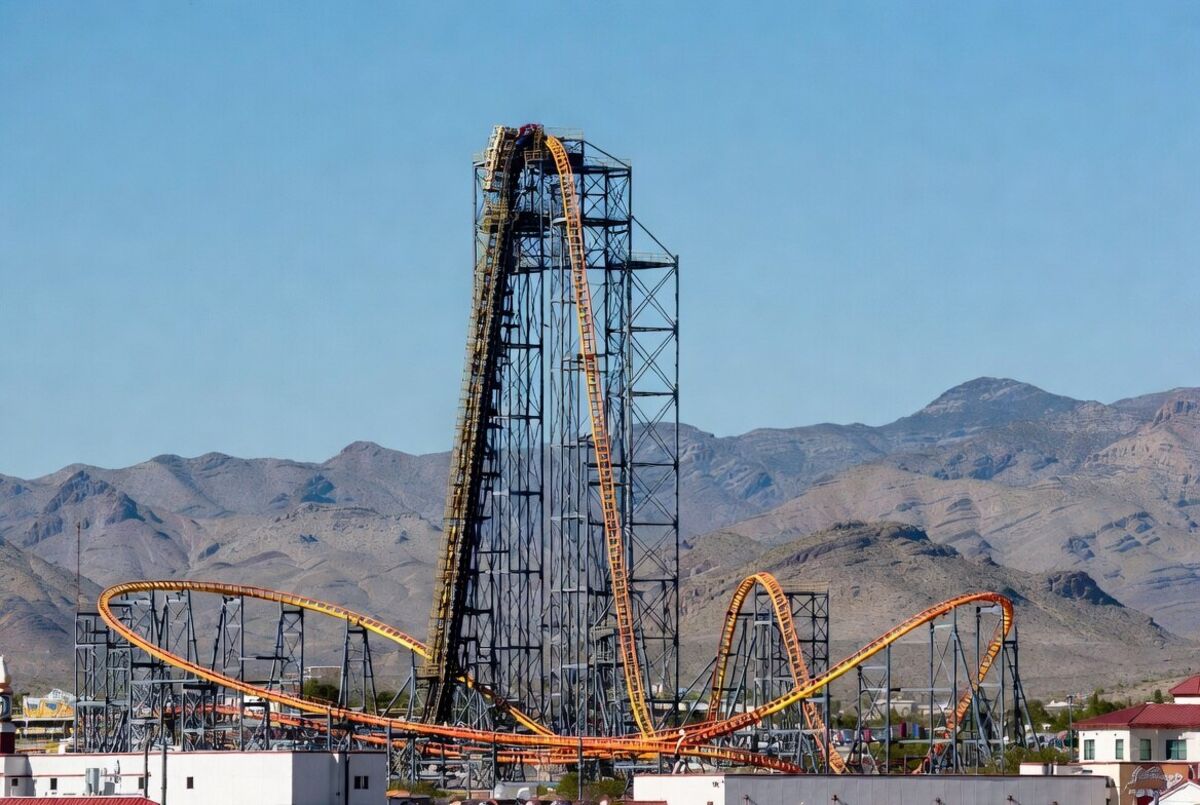
Dynamic shot of the Desperado hypercoaster at Buffalo Bill's, emphasizing its height and thrilling drops against the stark desert backdrop, with the casino visible below.
For generations of road-trippers, Primm embodied the eccentric charm of Nevada's highway gambling culture - a liminal space of neon nostalgia, thrill rides, and last-chance slots. Its roller coasters and themed facades offered a roadside spectacle distinct from the corporate polish of the Strip. Historians and cultural observers may view its contraction as emblematic of the transition from mid-20th-century automotive Americana to a more consolidated, experience-driven entertainment economy.
No immediate plans for demolition or redevelopment have been detailed beyond the closure notice. Industry watchers will monitor whether the properties find new life as non-gaming destinations or if the land awaits broader regional transformation.
As the final countdown to Independence Day 2026 begins, Primm stands as a cautionary case study in the relentless economics of tourism: even storied locations must adapt or fade when the traffic patterns and customer expectations that built them no longer align with contemporary realities. The desert, ever patient, awaits the outcome.

Reader Comments(0)