
Community, Diversity, Sustainability and other Overused Words


Community, Diversity, Sustainability and other Overused Words
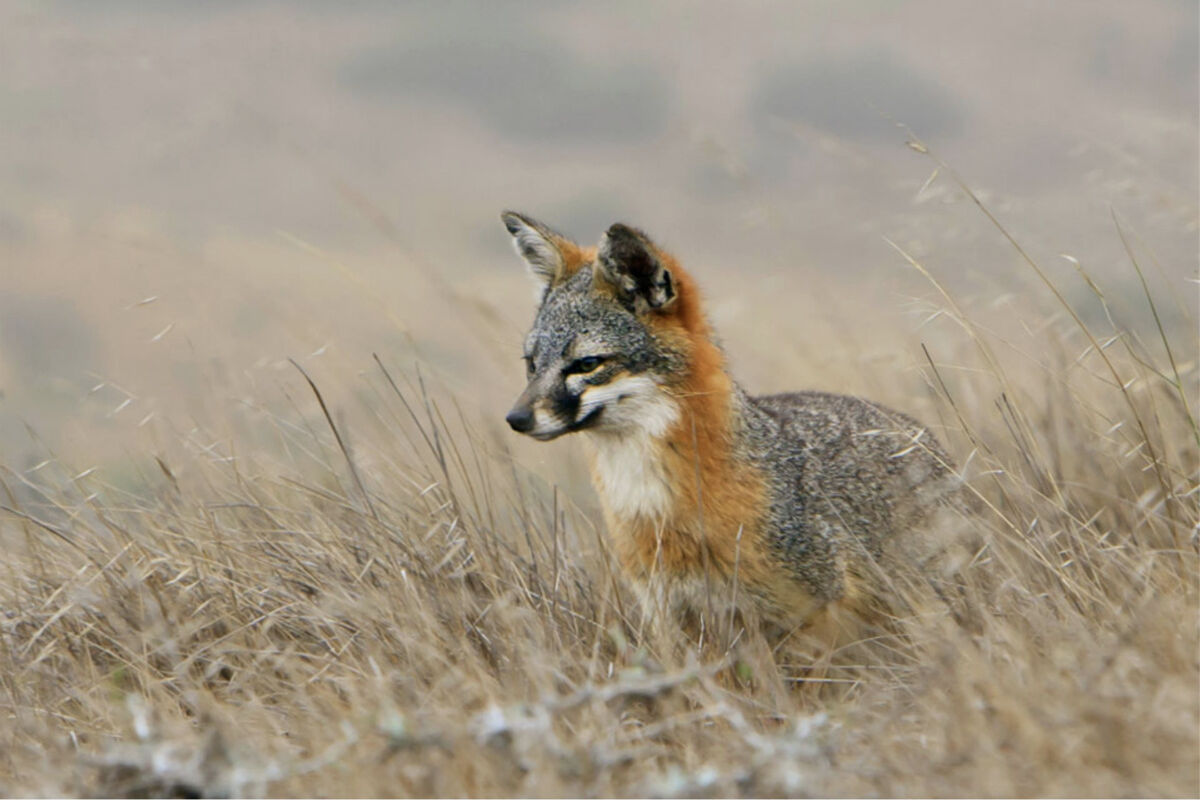
Island foxes, which recovered from near-extinction through intensive conservation, may face challenges if key foraging areas were destroyed. Early reports indicate
Santa Rosa Island Fox
Santa Rosa Island Skunk
CHANNEL ISLANDS NATIONAL PARK - The Santa Rosa Island Fire, the largest wildfire in the recorded history of California's Channel Islands, has burned 18,379 acres - roughly one-third of the island - and reached 97% containment as of May 27, 2026. While the blaze, which started on May 15, is largely under control, biologists and park officials are now focused on evaluating its effects on one of North America's most biologically unique ecosystems.
Santa Rosa Island, often called part of the "Galápagos of North America," hosts dozens of endemic species found nowhere else on Earth.
These include the island fox, island spotted skunk, and multiple rare plants. The fire burned through coastal scrub, grasslands, and chaparral habitats during the breeding season for several species, raising concerns about direct mortality, habitat loss, and food source disruption. Island foxes, which recovered from near-extinction through intensive conservation, may face challenges if key foraging areas were destroyed. Early reports indicate no widespread die-offs, but full population surveys are pending.
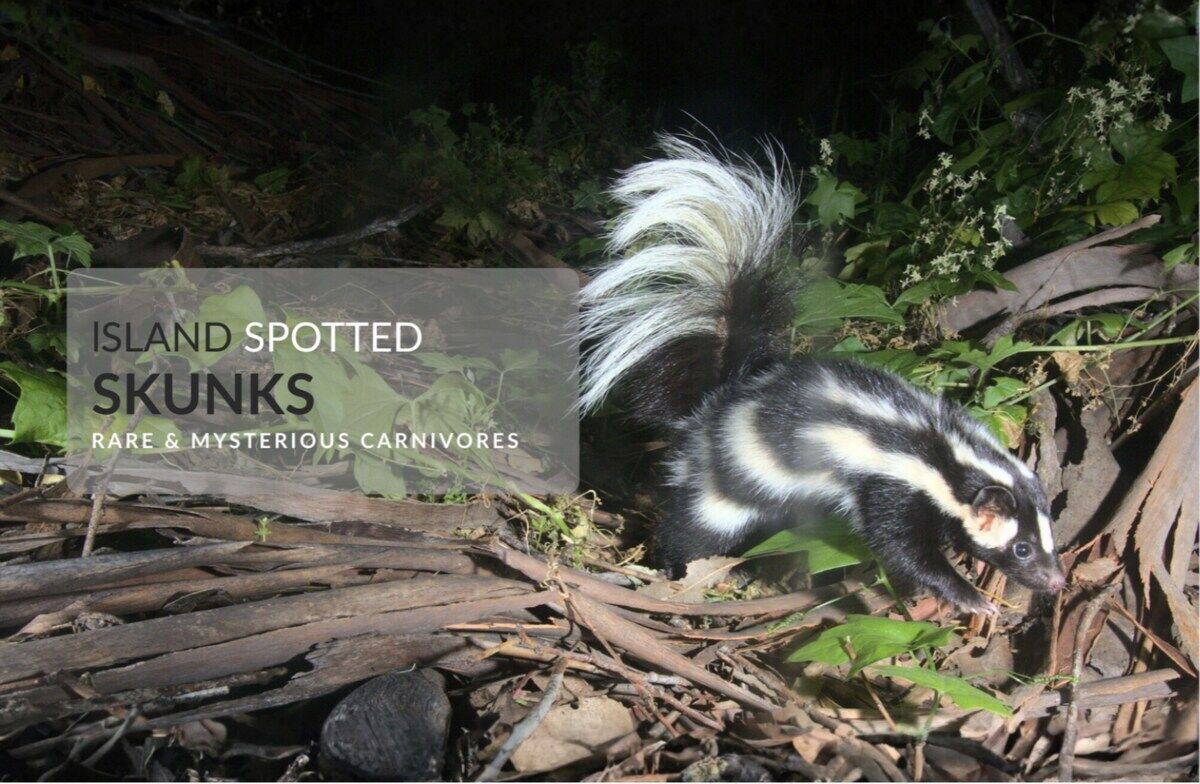
Santa Rosa Island Skunk
Particular attention is on the island's rare Torrey pine grove, one of only two natural stands in the world. Initial assessments show the grove remains largely intact despite the fire passing nearby, offering hope for this critically limited species. However, other endemic plants - including several federally listed species with tiny global ranges - sustained more significant damage. Soil crusts that prevent erosion and invasive species were also affected, potentially complicating long-term recovery.
National Park Service resource advisers worked alongside firefighters to protect sensitive habitats and archaeological sites. The fire destroyed two historic structures but spared others, including the South Point Light Station. Scientists note that while the islands' ecosystems are resilient, many native species evolved without frequent fire, making post-fire recovery slower and more uncertain than on the mainland.
Park officials expect the island to remain closed to the public for some time while damage assessments and rehabilitation efforts continue. The incident highlights the vulnerability of isolated island ecosystems to even single human-caused events, with full ecological impacts likely to unfold over the coming months and years.



Reader Comments(0)