
Community, Diversity, Sustainability and other Overused Words


Community, Diversity, Sustainability and other Overused Words
This is a framework to de-escalate and negotiate, not a comprehensive resolution. Details can shift as talks proceed.
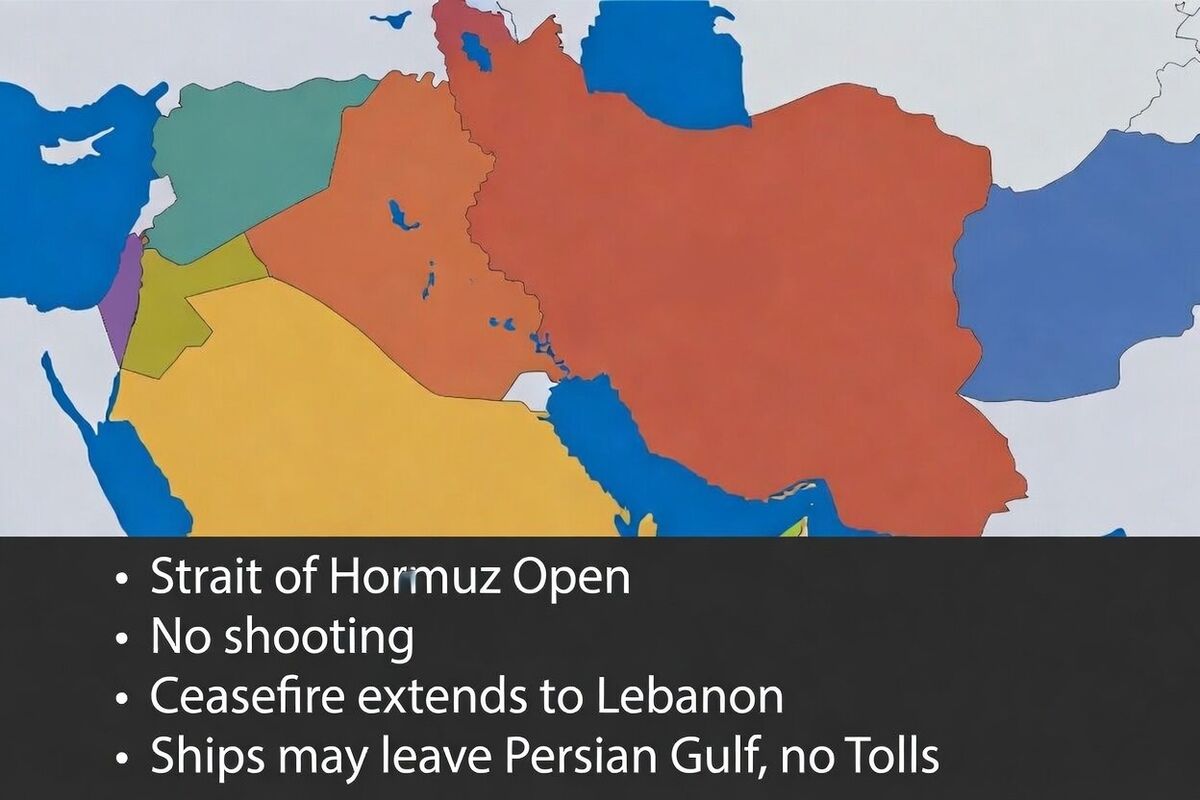
1. Strait of Hormuz Open 2. No shooting 3. Ceasefire extends to Lebanon 4. Ships may leave Persian Gulf, no Tolls
The US-Iran deal (as of mid-June 2026) is a 60-day Memorandum of Understanding (MOU), often called the "Islamabad agreement" due to Pakistani mediation. It aims to extend a ceasefire, reopen the Strait of Hormuz for shipping, and kick off further talks on Iran's nuclear program. It is not a full, final nuclear deal like the JCPOA-many core issues (nuclear details, sanctions, proxies) are deferred to negotiations within the 60-day window.
Key Terms (Based on US and Mediating Sources)Strait of Hormuz & Shipping: Immediate reopening with unrestricted access (no Iranian tolls or harassment). Iran must remove all mines within 30 days. Return to pre-war shipping volumes. US naval blockade lifted proportionally as shipping resumes.
Ceasefire: Extends the current ceasefire (including aspects related to Lebanon/Hezbollah) for 60 days.
Nuclear Commitments: Iran commits not to pursue or acquire a nuclear weapon (indefinitely, per some US statements). Initial focus in the 60 days: disposing of highly enriched uranium (e.g., possible down-blending under UN supervision) and addressing enrichment. Broader nuclear dismantling or limits are for later negotiations.
Sanctions & Economy: Temporary US sanctions waivers to allow Iran to sell oil freely (phased and performance-based). Possible humanitarian aid mechanisms and discussion of frozen funds/assets (no large upfront cash releases; tied to compliance). No immediate full sanctions relief.
Other: References to regional peace (potential talks on proxies, though not core to the initial MOU). Performance-based incentives-more Iranian compliance leads to more benefits.
Status and CaveatsTrump has announced the deal as "complete" and authorized lifting the blockade/reopening the strait (around June 14, 2026). A signing ceremony was expected in Europe (e.g., Switzerland or Geneva).
Iran has been slower to confirm details publicly, and there have been conflicting leaks/interpretations between the two sides.
Critics (including some in Israel and Iranian opposition voices like the original X post) argue it legitimizes the regime too early without strong enough curbs on missiles, proxies, or human rights. Enforcement and what happens after 60 days remain uncertain.
This is a framework to de-escalate and negotiate, not a comprehensive resolution. Details can shift as talks proceed. For the absolute latest, check official statements from the White House or mediators.


Reader Comments(0)