
Community, Diversity, Sustainability and other Overused Words


Community, Diversity, Sustainability and other Overused Words
Lax building codes during the Maduro years amplified the scale of the disaster, particularly in Caracas neighborhoods, where multiple high-rise buildings pancaked
CARACAS, Venezuela — Two powerful back-to-back earthquakes that struck northwestern Venezuela on Wednesday, June 24, 2026, have left at least 235 people dead and more than 4,300 injured, according to the latest government figures released Thursday evening.
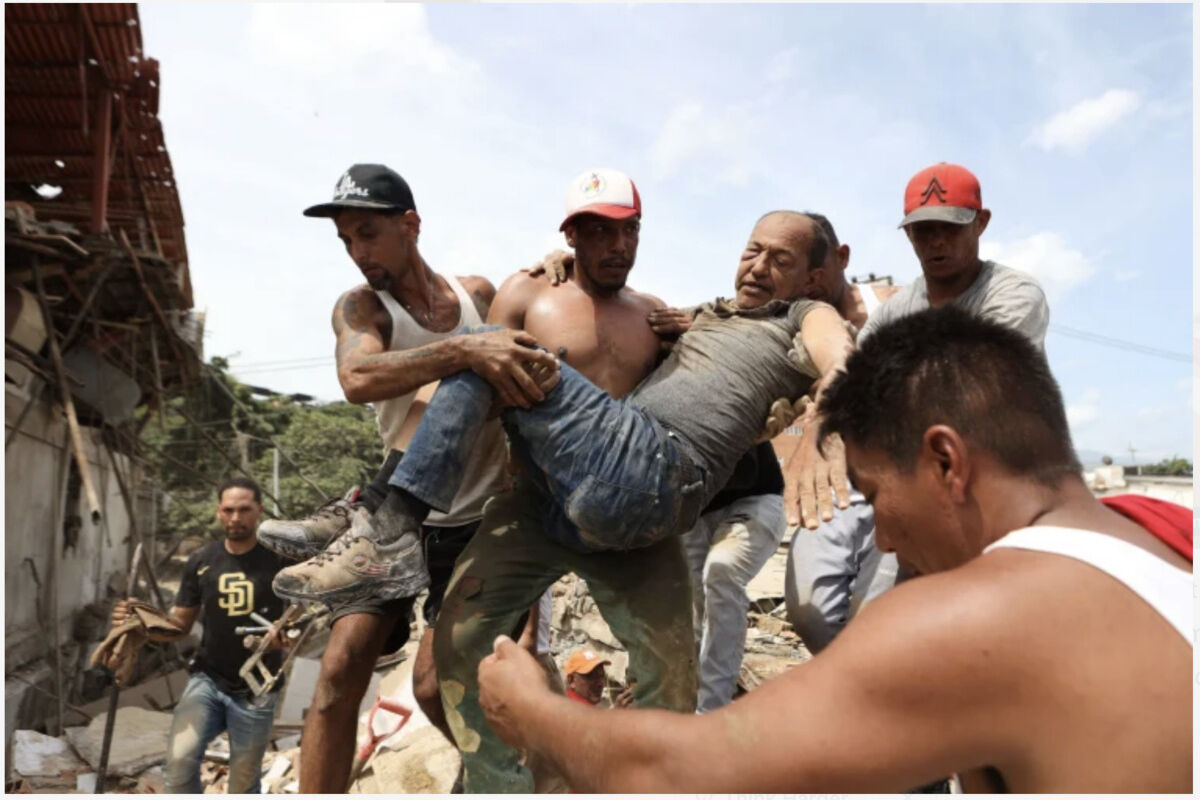
The quakes—a magnitude 7.2 foreshock followed just 39 seconds later by a 7.5 mainshock—centered near Yumare in Yaracuy state, caused widespread collapses of buildings in Caracas and the coastal state of La Guaira. Over 40,000 people remain unaccounted for, and officials warn the death toll is expected to climb significantly as rescue operations continue into the critical 72-hour window.
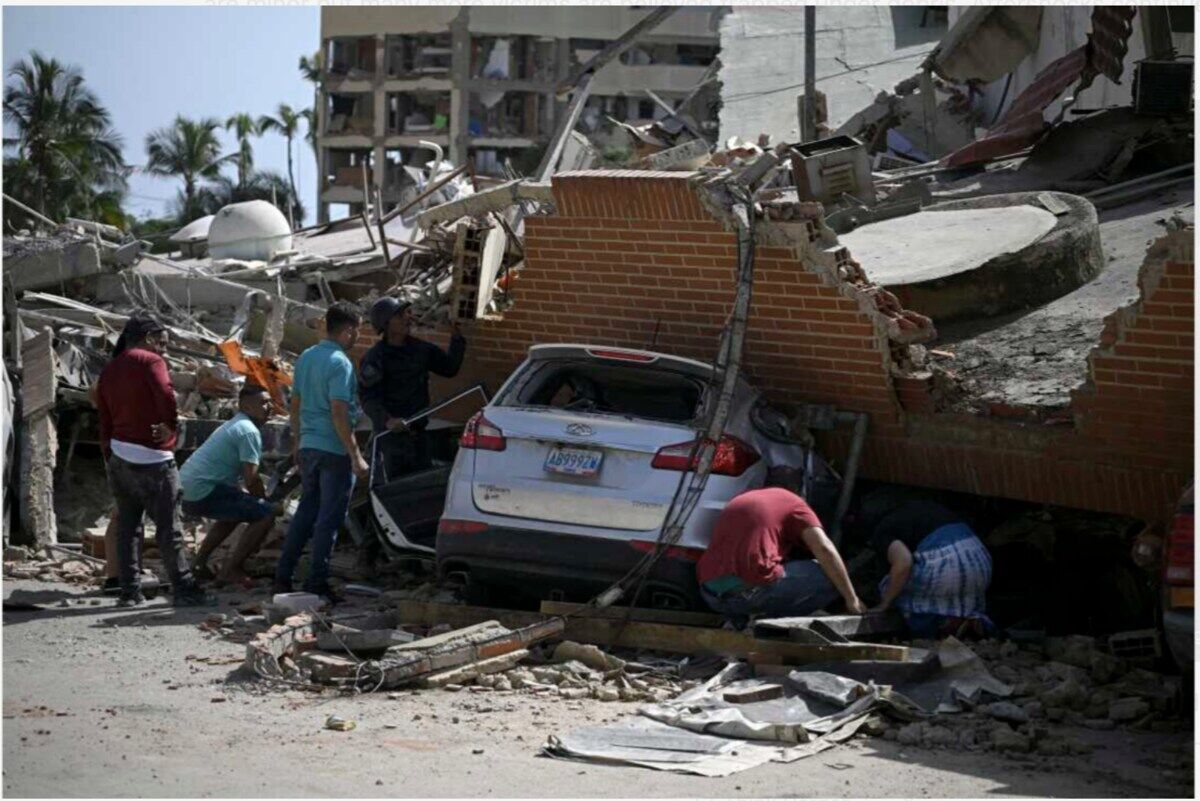
The shaking reduced multi-story buildings to rubble, particularly in La Guaira where a prominent hotel in Macuto was completely destroyed, and in Caracas neighborhoods including Altamira, Los Palos Grandes, and Chacao. The Simón Bolívar International Airport sustained heavy damage, complicating aid deliveries.
Acting President Delcy Rodríguez declared a national state of emergency and designated La Guaira a disaster zone. Health Minister Carlos Alvarado reported the updated toll, noting most injuries treated so far are minor but many more victims are believed trapped under debris. Aftershocks continue to jolt the region, heightening risks for rescuers and survivors.
The U.S. Geological Survey’s PAGER system had forecasted a high likelihood of thousands of fatalities and extensive damage, with some models suggesting a potential upper range in the tens of thousands.
U.S. Assistance Underway
In a swift response, the United States has mobilized significant aid at the direction of President Trump. Secretary of State Marco Rubio, who spoke directly with Acting President Rodríguez, announced the deployment of urban search-and-rescue teams from Fairfax County, Virginia, and Los Angeles, California, along with a State Department Disaster Assistance Response Team (DART).
The U.S. is providing $150 million in humanitarian assistance, including $50 million in new bilateral funding for partners like the U.N. World Food Programme and International Medical Corps, plus logistical support, airlift capabilities, and overhead imagery to assess damage in hard-to-reach areas. The Pentagon is assisting with transportation into zones where the airport damage limits access.
Rubio described the effort as “big, fast, and effective,” emphasizing the focus on the first 48-72 hours to save lives trapped in collapsed structures. Additional international support is arriving from countries including Switzerland, France, Mexico, Qatar, Chile, and El Salvador, with the UN helping coordinate needs.
For communities in Santa Monica and across Southern California—regions no stranger to seismic risks—this tragedy underscores the vital importance of rapid, coordinated international response, robust building standards, and preparedness. Rescue teams and volunteers continue working around the clock as the full extent of the devastation in more remote areas becomes clearer. Updates on the humanitarian situation will be closely monitored in the days ahead.

Reader Comments(0)