
Community, Diversity, Sustainability and other Overused Words


Community, Diversity, Sustainability and other Overused Words
Santa Monica retains its extraordinary physical beauty and cultural cachet. Whether it can once again match that appeal with a thriving, safe, and economically resilient community depends
A squirrel looks out to sea from Palisades Park.
Clowning around on Santa Monica Beach
Santa Monica, the sun-drenched coastal city long revered for its sweeping Pacific views, historic pier with its Ferris wheel, and bustling Third Street Promenade, is confronting a stark reversal of fortune. Once a symbol of effortless California glamour, the roughly 90,700-resident enclave declared a state of "fiscal distress" in September 2025. It is now scrambling to recover from layered crises that have left storefronts vacant, tourism strained, and confidence shaken.
A recent Wall Street Journal investigation paints a picture of a city in recovery mode after years of compounding setbacks. The COVID-19 pandemic delivered a brutal blow: hotel and sales tax revenues collapsed, forcing layoffs of more than 400 city employees (nearly 20% of the workforce). In 2020, the city also began paying out roughly $230 million in liability settlements tied to decades-old sexual abuse claims involving a former IT employee. Looting during the unrest following George Floyd's murder further damaged downtown businesses.
More recently, the January 2025 Pacific Palisades wildfires displaced thousands of affluent residents from neighboring areas, shrinking Santa Monica's customer base. Retail and restaurant vacancy rates on the iconic Promenade and surrounding areas have hovered around 20% - among the highest in Los Angeles County. The Santa Monica Place mall defaulted on a $300 million loan, and its last major anchor, Nordstrom, closed. Business owners describe empty storefronts, repeated break-ins, visible open drug use, and mental health crises that have made once-vibrant streets feel less safe and appealing.
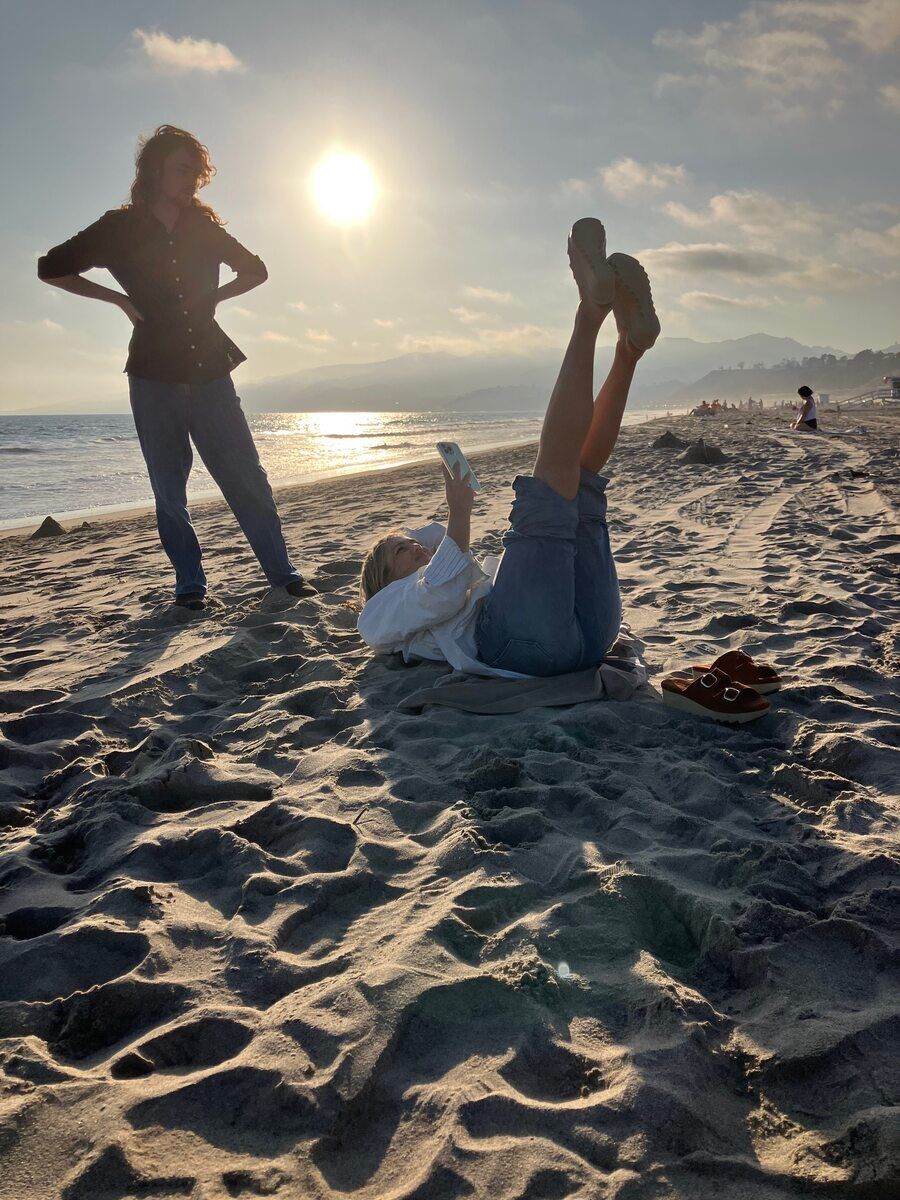
Clowning around on Santa Monica Beach
City Manager Oliver Chi has attributed part of the tourism slump - a longtime economic lifeline - to declining international visitors linked to federal policy shifts under President Trump. He noted a palpable sense a year ago that "maybe Santa Monica's best days were behind it."
Yet many local observers and analysts argue the city's challenges have deeper, longer roots that predate the pandemic and recent national politics. A pivotal turning point came in May 2016, when the Los Angeles Metro Expo Line extension opened, linking downtown Los Angeles - including areas long associated with concentrated homelessness - directly to Santa Monica. Crime data showed sharp increases near the new stations: Part 1 crimes (including robbery, burglary, and aggravated assault) jumped 54% within a 1,000-foot radius of the stations in the first six months compared to the prior year. Residents quickly dubbed it the "Crime Train," citing an influx of individuals struggling with addiction and mental illness.
Rather than responding with heightened enforcement and public safety measures, city leaders leaned into expanded social services and housing initiatives. In November 2022, voters approved Measure GS, a steep 5.6% transfer tax on real estate sales valued at $8 million or more. The revenue was earmarked primarily for homelessness prevention, affordable housing, and schools. While well-intentioned, critics contend the policy - one of the highest such "mansion taxes" in the region - chilled high-value real estate investment at a critical time, accelerating commercial property struggles and contributing to an exodus of businesses, families, and young professionals seeking safer, more predictable environments.
This combination - transit-driven influx without corresponding safety enforcement, heavy emphasis on supportive housing over accountability, and longstanding resistance to certain commercial development (such as the 2018 ban on large fast-food chains) - left Santa Monica overly dependent on tourism and hospitality. When that foundation cracked under external pressures, the effects rippled through the local economy. Rents softened, investment dried up in some sectors, and the city's natural advantages in climate and location could no longer fully offset perceptions of declining livability and business climate.
Recovery efforts are underway. Late last year, the City Council approved a "realignment plan" prioritizing public safety, economic rebuilding, and fiscal stabilization. Measures include expanded police patrols downtown, relocating the main homeless shelter away from the Promenade, lifting the fast-food ban (leading to new openings), creating an "entertainment zone" allowing open containers in certain areas on weekends, reducing outdoor dining fees, and using AI to speed up permitting. Early results are encouraging: property crime has declined according to city data, the police department is fully staffed for the first time in two decades, and pier visitation is approaching pre-pandemic levels of 12–14 million annually. The 2022 World Cup provided a temporary boost, and the 2028 Olympics offer longer-term hope.
Still, fundamental questions remain. Can Santa Monica diversify beyond its tourism-heavy model and attract high-wage employers and entrepreneurs? Will renewed focus on enforcement and quality-of-life improvements reverse the perception that the city has become less welcoming to working professionals and families? City leaders emphasize creating an "investable" environment, but sustained progress will likely require moving beyond external blame toward addressing the policy choices that shaped the city's trajectory since the mid-2010s.
Santa Monica retains its extraordinary physical beauty and cultural cachet. Whether it can once again match that appeal with a thriving, safe, and economically resilient community depends on the difficult but necessary work of recalibrating its approach to safety, housing, development, and governance. The coming years - especially with the global spotlight of the Olympics - will test whether the city can turn the page on its recent struggles and reclaim its status as a crown jewel of the Los Angeles coast.




Reader Comments(0)