
Community, Diversity, Sustainability and other Overused Words


Community, Diversity, Sustainability and other Overused Words
Marineland Florida lists assets including Real Estate and six parks, 2 in Florida; 86 dolphins, 6 Sea Lions and 8 Manatees
Artists conception of the Marineland asset auction.
Dolphins. Marineland Florida lists assets including Real Estate and six parks, 2 in Florida; 86 dolphins, 6 Sea Lions and 8 Manatees
Dolphin in a marine park.
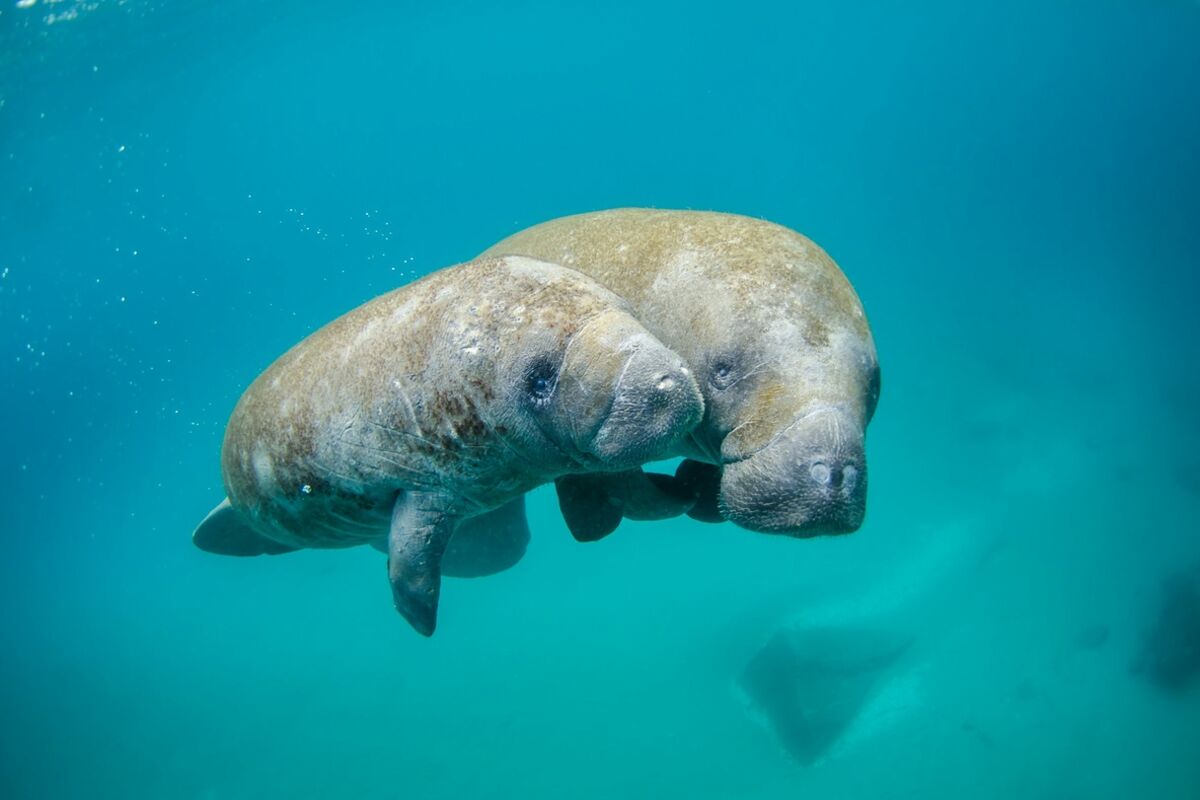
two manatees. Marineland Florida lists assets including Real Estate and six parks, 2 in Florida; 86 dolphins, 6 Sea Lions and 8 Manatees
CANCÚN, Mexico - July 27, 2026** - The Dolphin Company, the largest aquatic theme park operator in Latin America, is seeking bankruptcy court approval to sell Mexican resorts along with 87 dolphins, 6 sea lions, and 8 manatees for $20 million, according to reports circulating Monday.
The proposed transaction forms part of the company's ongoing Chapter 11 restructuring in the U.S. Bankruptcy Court for the District of Delaware. Leisure Investments Holdings LLC, the U.S. parent entity for the group commonly known as The Dolphin Company or Dolphin Discovery, filed for protection in March 2025 with estimated assets and liabilities each ranging from $100 million to $500 million.
The Cancún-based company operates dozens of marine parks and habitats across eight countries. While its core attractions remain in Mexico, the group also held significant U.S. properties, including the Miami Seaquarium, Marineland in St. Augustine, and Gulf World Marine Park. Many of those American assets have already been sold or transferred during the bankruptcy, with animals relocated to other facilities.
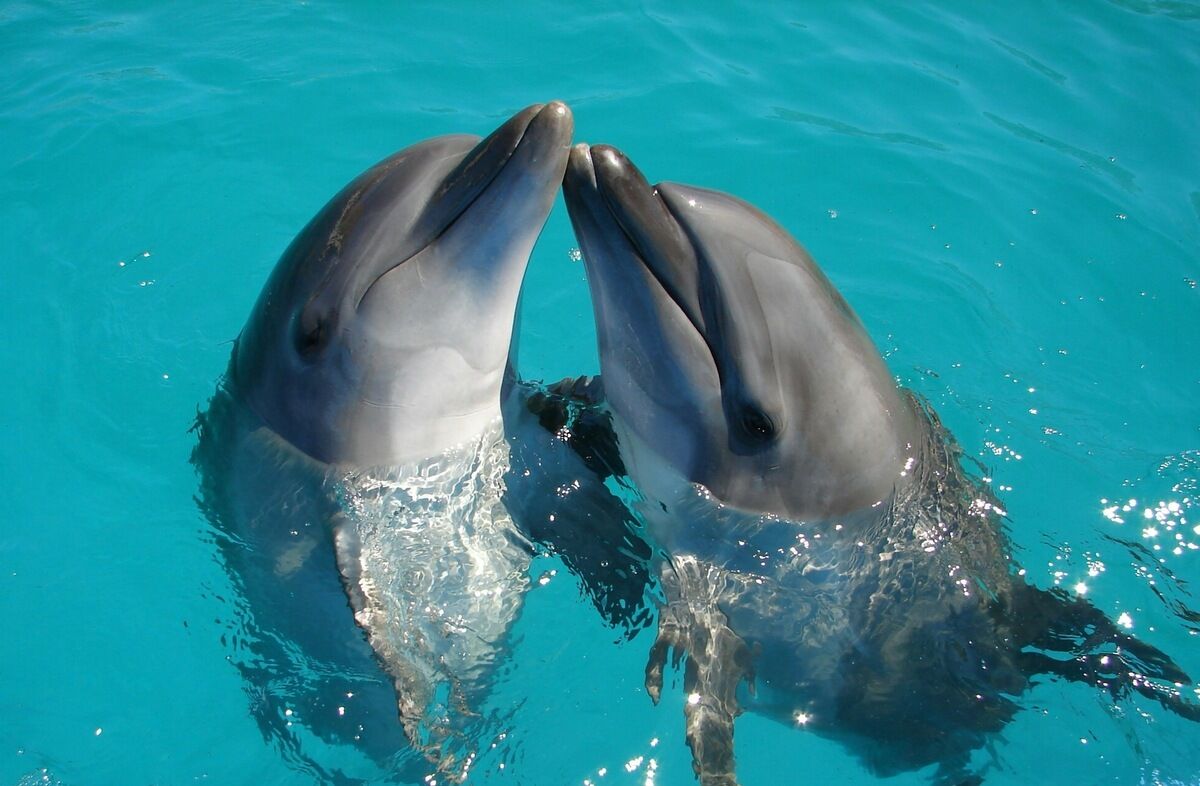
Dolphins. Marineland Florida lists assets including Real Estate and six parks, 2 in Florida; 86 dolphins, 6 Sea Lions and 8 Manatees
Major U.S. lenders, including entities linked to Prudential Financial and Cigna, played a central role in the restructuring after the company accumulated substantial debt. New independent leadership, including Independent Director Steven Strom and Chief Restructuring Officer Robert Wagstaff, was installed to oversee operations and maximize value for creditors. The company has repeatedly emphasized that the process prioritizes animal welfare, employee support, and continued guest experiences where parks remain open.
Filing in U.S. courts, rather than solely in Mexico, reflected the company's holding-company structure, U.S. assets and operations, and the preferences of its primary creditors. Chapter 11 offered a structured reorganization framework, access to debtor-in-possession financing, and tools for coordinated asset sales across borders. Parallel disputes have continued in Mexican courts, where founder and former CEO Eduardo Albor has challenged the change in control. Company leadership maintains that it remains in charge under both Mexican law and the Delaware proceedings, and that no Mexican insolvency case is currently supervising the group's restructuring.

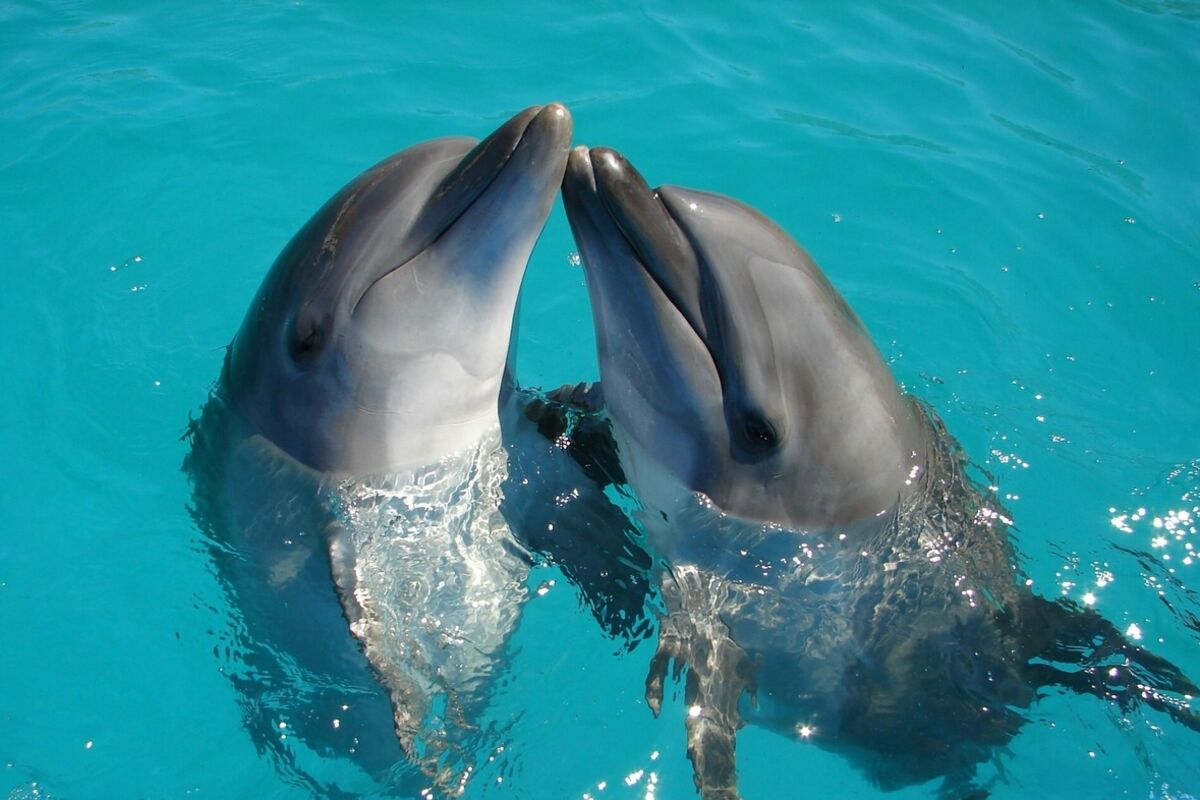
Dolphin in a marine park.
The latest proposed sale of Mexican properties and animals underscores the scale of the liquidation effort more than a year into the case. Earlier transactions have included the Miami Seaquarium lease, Gulf World, and Marineland, along with transfers of dozens of marine mammals to other accredited facilities.
Animal welfare advocates and some online commentators have expressed concern about treating the mammals as inventory in a commercial sale. The bankruptcy court has previously approved animal transfers only after reviewing welfare considerations and finding suitable destinations.
Further details on the $20 million package, including the specific resorts involved and any potential buyers, are expected to emerge as the Delaware court reviews the request. The company continues to state that its priority remains completing the restructuring while protecting the animals under its care.




Reader Comments(0)