
Community, Diversity, Sustainability and other Overused Words


Community, Diversity, Sustainability and other Overused Words
Units are frequently acquired as pure investment vehicles or secondary residences by ultra-high-net-worth buyers, including many from outside New York City or overseas
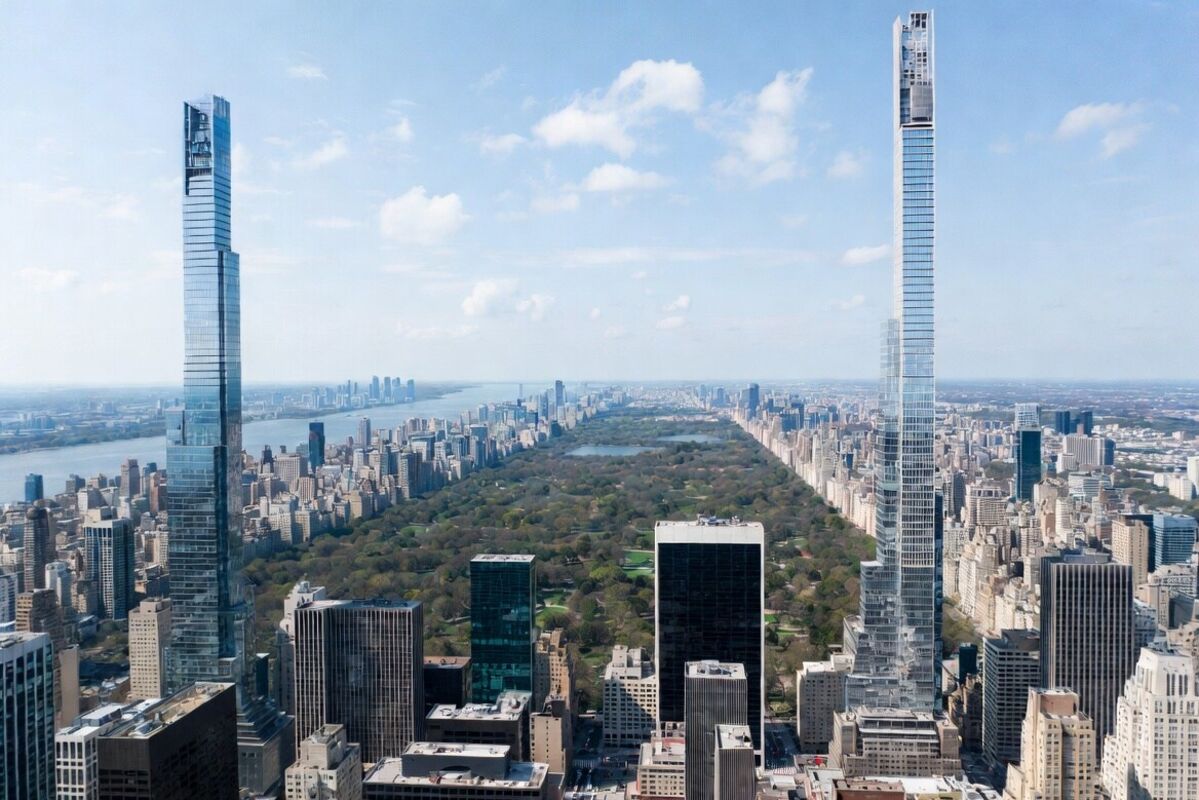
Billionaires row in Manhattan. Steinway tower on the right. Units are frequently acquired as pure investment vehicles or secondary residences by ultra-high-net-worth buyers, including many from outside New York City or overseas
From X.com
NEW YORK - Mayor Zohran Kwame Mamdani announced on July 23, 2026, that the city has mailed notification letters to owners of second homes valued at more than $5 million, informing them that a new pied-à-terre tax will soon take effect.
In a post on the official mayoral account, Mamdani wrote: "If you have a second home in New York City worth more than $5M, check your mailbox when you're back in the five boroughs - because you've got mail. Today, we sent notification letters to property owners, letting them know that our new pied-à-terre tax is coming soon. The best city in the world deserves the best parks, libraries, and schools in the world. That's only possible when we all pay our fair share."
The tax, first proposed in April 2026 jointly with Governor Kathy Hochul and later enacted, imposes an annual surcharge on condominiums, co-ops, and one- to three-family homes valued above $5 million that are not the owner's primary residence. Officials have estimated it could generate several hundred million dollars annually to support public services, though independent analyses have projected lower net revenue after accounting for possible behavioral responses.
The policy targets a longstanding feature of Manhattan's ultra-luxury market, particularly along the stretch of Midtown known as Billionaires' Row south of Central Park. Developments such as the Steinway Tower (111 West 57th Street), one of the world's skinniest skyscrapers, have reached near-complete sell-outs-reports from early 2026 indicated approximately 98 percent of units sold, with only one or two remaining-yet a substantial share of apartments in these buildings remain unoccupied full-time.

From X.com
Similar patterns appear across other high-end towers in the area. Units are frequently acquired as pure investment vehicles or secondary residences by ultra-high-net-worth buyers, including many from outside New York City or overseas. These properties serve as stores of wealth rather than everyday homes, contributing to elevated vacancy or low owner-occupancy rates. Historical analyses of the cluster of supertalls have found that roughly 40 to 50 percent of units in key buildings have been empty or unsold at various points.
The physical characteristics of these slender, extremely tall structures also factor into limited full-time use. Designed to flex safely in high winds, the towers can sway several feet, producing audible creaking and groaning as structural elements and systems move. While engineers consider the motion within safe parameters, some accounts describe the experience as unsettling for continuous habitation.
These buildings dominate views from Central Park and much of Midtown Manhattan. At the same time, housing costs remain a pressure point for many residents. Median rents in Manhattan have reached record highs near $5,000 per month, and a majority of the city's renters spend more than 30 percent of their household income on housing, with a significant share classified as severely cost-burdened.
Supporters of the tax frame it as ensuring high-value, infrequently occupied properties contribute more to the city services that benefit all New Yorkers. Critics have raised concerns about possible effects on property values, development incentives, and the broader luxury market. The notifications mark the operational start of the measure following its legislative passage earlier in the year.
But not everyone on social media lauded the new tax. Representative Nancy Mace has been a vocal critic of Mayor Mamdani and his policies. Podcaster and commentator Patrick Bet-David wrote: "Consequences of this policy: More money leaves your state. More jobs leave your state . No incentive for the wealthy to buy a property in NYC. Property value drops. More construction workers lose jobs. Realtors lose income. What's your point with this policy?"
Social media personality April Silverman also expressed strong opposition. Libertarian figure Lars Mapstead summed up a common sentiment among detractors when he posted: "When government does not respect property rights, it's time to sell your property."



Reader Comments(0)