
Community, Diversity, Sustainability and other Overused Words


Community, Diversity, Sustainability and other Overused Words
Reports and Iranian claims of Islamic Revolutionary Guard Corps (IRGC) actions against commercial shipping in the strategic waterway continued into early August, underscoring the fragility of the latest diplomatic pause
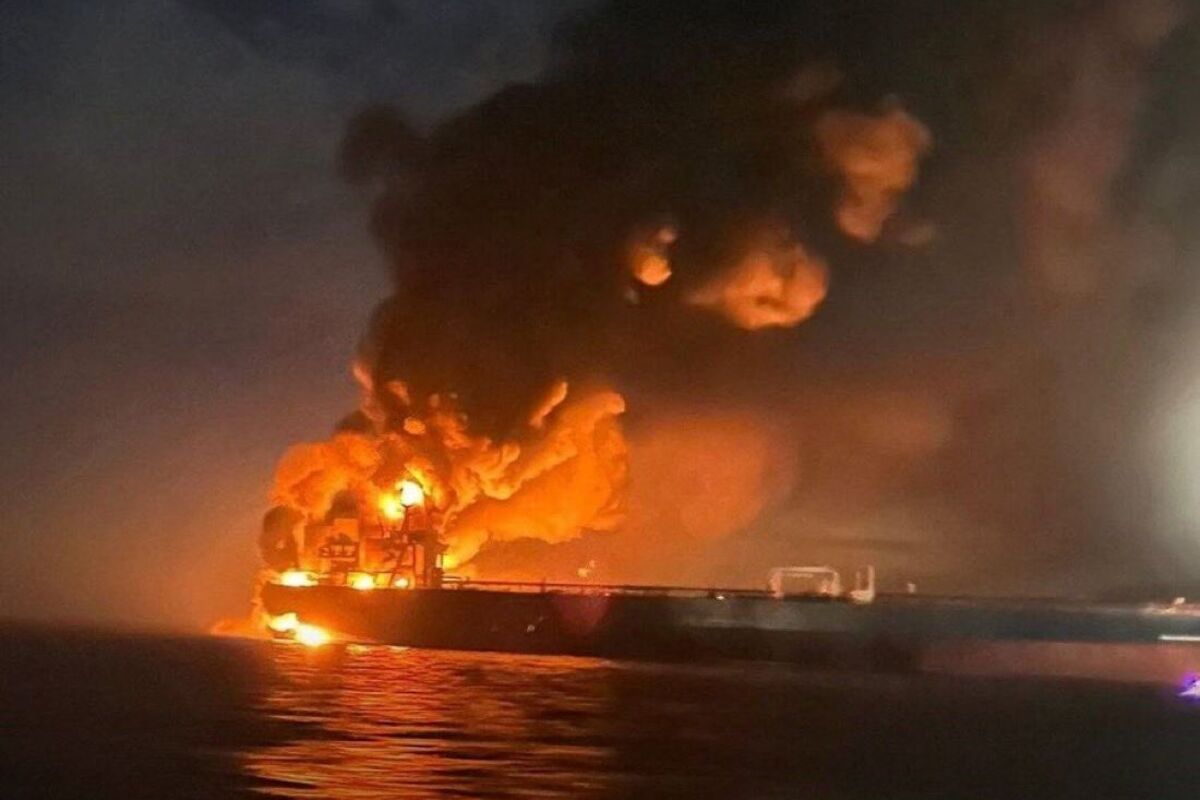
A ship on fire between Oman and Bashehr, Iran
UKMTO Advisory for ships to stay out of Hormuz
August 3, 2026 - US President Donald Trump announced over the weekend that the United States would hold off on major new strikes against Iran and begin negotiations as early as Monday, citing requests from Iran and Gulf allies for time to finalize a deal that would reopen the Strait of Hormuz and address Tehran's nuclear program. Yet reports and Iranian claims of Islamic Revolutionary Guard Corps (IRGC) actions against commercial shipping in the strategic waterway continued into early August, underscoring the fragility of the latest diplomatic pause.
On Saturday, Trump posted that Iran and other Middle Eastern countries had asked the U.S. to delay an imminent attack after "the perimeters of a deal" were reached. The potential agreement, he said, would include the "Immediate, Complete, and Total OPENING OF THE HORMUZ STRAIT" and an end to Iran's nuclear threat. Speaking to reporters on Sunday, he confirmed talks would start Monday afternoon and noted that Saudi Arabia, the UAE, and Qatar had also urged restraint.
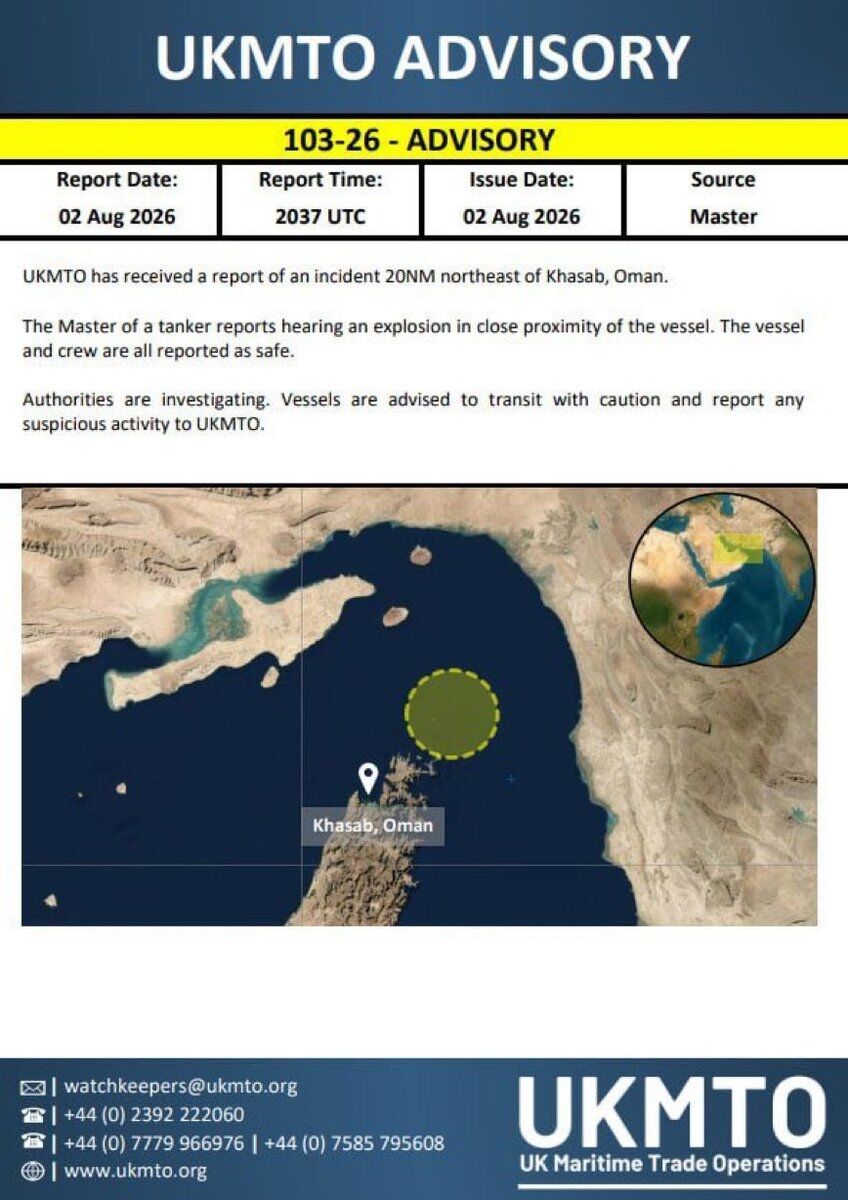
UKMTO Advisory for ships to stay out of Hormuz
Iran has long asserted control over transit through the Strait of Hormuz, a critical chokepoint for roughly 20% of global oil and liquefied natural gas trade before the current conflict. Iranian authorities and the IRGC have repeatedly warned that vessels must use routes they designate and coordinate with Iranian forces, describing southern corridors near Oman as unauthorized or unsafe. State media and IRGC-affiliated outlets have claimed multiple instances of warning shots, projectiles, or strikes against non-compliant ships, sometimes resulting in fires or disabled vessels.
Maritime reports from late July into early August documented further disruptions. On Friday night into Saturday, two incidents were noted in the Omani coastal channel: a Liberian-flagged tanker reported a near-miss impact from a missile or drone, and the Bermuda-flagged LNG tanker *GasLog Shanghai* was struck in its engine room area, losing power. No casualties were reported in those cases, though traffic through the strait remained subdued. Social media and some regional accounts on August 3 circulated images and claims of additional fires or attempted strikes on tankers near Oman, consistent with the pattern of IRGC enforcement actions.
Iranian officials have downplayed or rejected the framing of Trump's announcements as genuine breakthroughs, describing them at times as psychological operations while insisting the strait will not return to its pre-conflict status without coordination with Tehran. The U.S. has maintained that freedom of navigation must be restored and has previously conducted operations in response to Iranian restrictions and attacks on shipping.
The latest reports of IRGC activity against vessels come as oil markets remain sensitive to any renewed disruption in the Gulf. Trump has conditioned the pause in strikes on rapid progress toward a deal. Negotiations are expected to resume Monday, but the continued targeting of commercial traffic highlights the gap between diplomatic statements and conditions on the water.
Both sides retain significant military options, and the situation in the Strait of Hormuz remains highly volatile.



Reader Comments(0)