
Community, Diversity, Sustainability and other Overused Words


Community, Diversity, Sustainability and other Overused Words
Saudi air defenses intercepted a ballistic missile near the capital and reported no major casualties - but the strike exposes the limits of Riyadh's military and raises the odds of deeper U.S. involvement against Iran's Yemen proxy
AI image of damage to a Saudi oil facility.
Saudi forces conducting an anti-Terrorism training exercise.
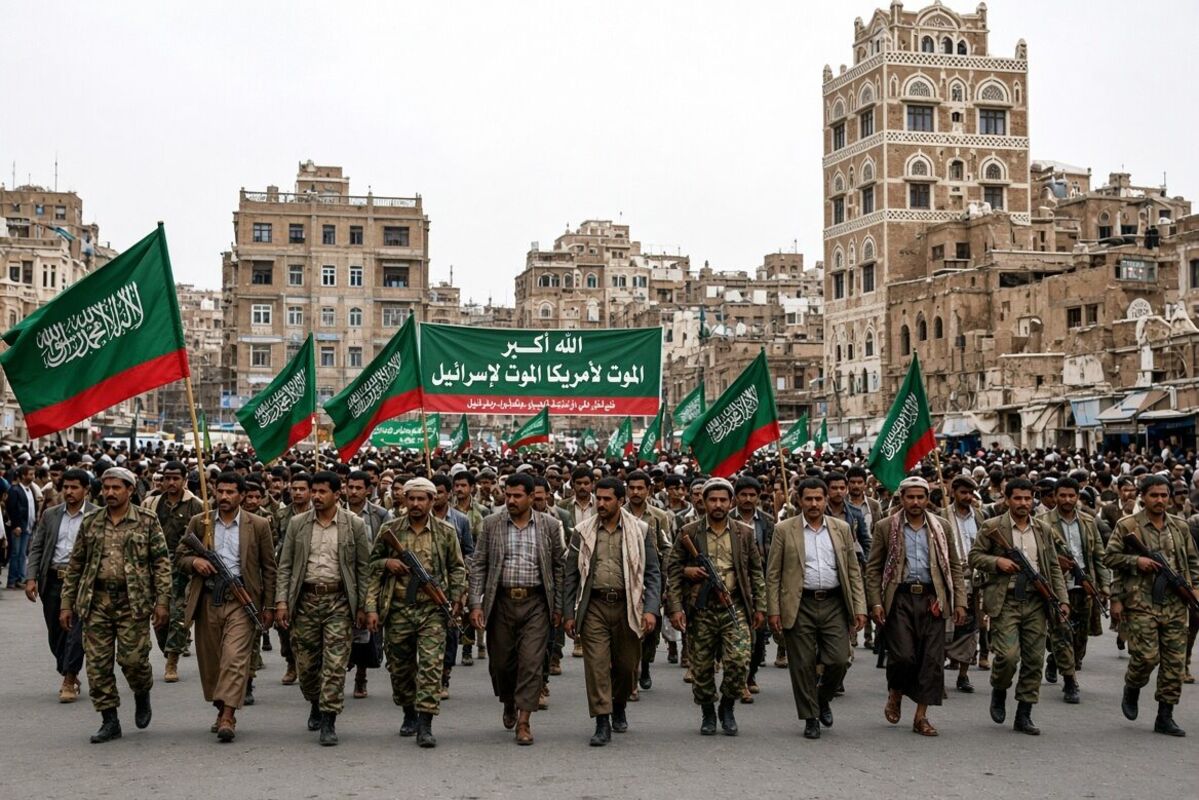
Houthi forces on parade in Sanaa.
No doubt it will be a long weekend.
It looks like it's going to be a long weekend at Washington area pizza parlors, folks.
Saudi Arabia intercepted at least one Houthi ballistic missile aimed at Riyadh and thwarted additional attempts, but the strike on the capital-complete with smoke near King Khalid International Airport-exposes the gap between the kingdom's purchased hardware and the integrated combat power the United States can bring.
Iran-backed Houthi forces claimed two operations on September 19 using ballistic and cruise missiles plus drones against "sensitive sites" in Riyadh and Aramco facilities in Yanbu. Saudi coalition spokesman Maj. Gen. Turki al-Malki said air defenses destroyed a ballistic missile headed for Riyadh at dawn and stopped attacks on civilian infrastructure in Bisha, Taif, Farasan, and Yanbu. Residents reported explosions and a large plume of black smoke from fuel tanks near the airport; flights were disrupted then resumed. Saudi authorities reported no confirmed casualties or major damage.
This was the first air-raid alert sounded in Riyadh since fighting with the Houthis intensified in July. The Houthis framed it as retaliation for Saudi strikes on Sanaa. The incident fits a pattern of Houthi missile and drone attacks on Saudi energy sites, airports, and shipping since they entered the broader Iran war more fully this summer.
Saudi capabilities exist, but they are not U.S. capabilities
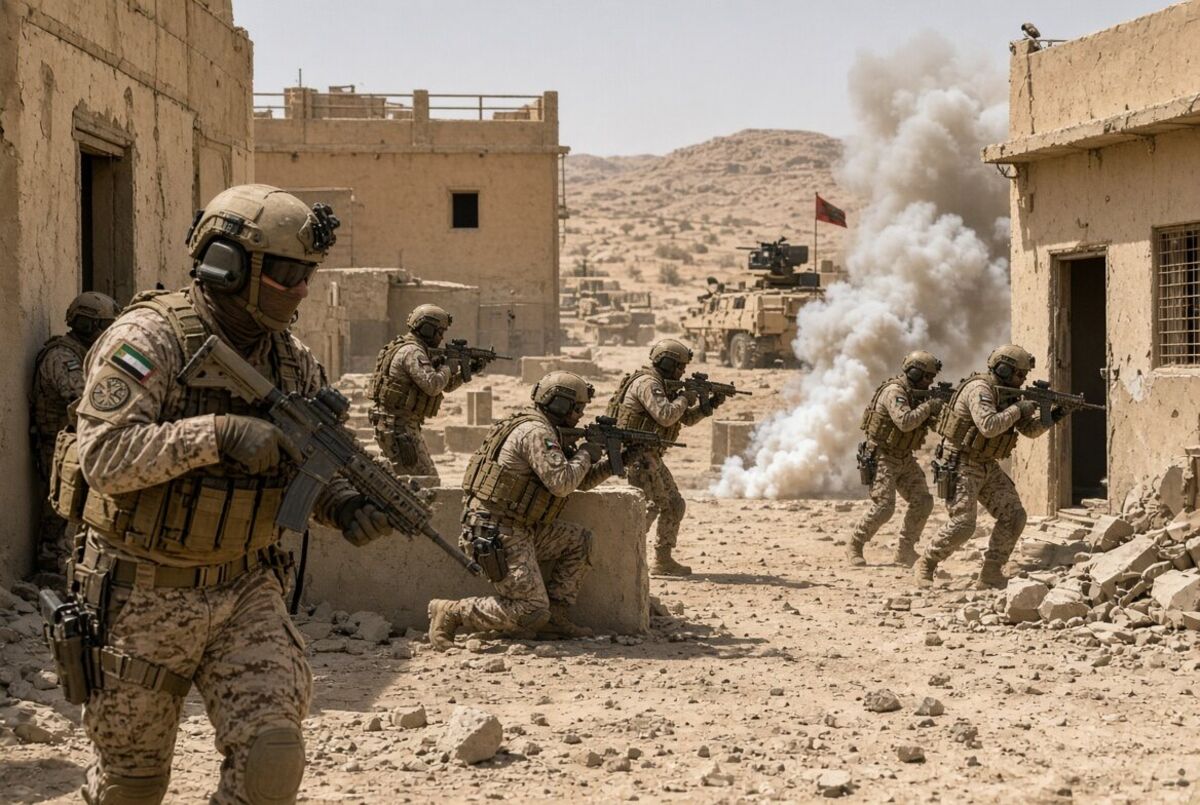
Saudi forces conducting an anti-Terrorism training exercise.
Saudi Arabia fields modern air-defense systems capable of intercepting ballistic missiles, as Saturday's success demonstrated. It operates advanced fighters, including F-15s, and has spent heavily on Patriots and other layered defenses. It can generate airstrikes-Houthi media have claimed dozens in short periods-and it maintains a large inventory of Western-supplied equipment. Special-forces and sniper units have performed well in limited engagements.
Those assets, however, sit inside an institution built first to protect the ruling family rather than to wage sustained, joint, high-intensity operations against a hybrid opponent that has spent more than a decade fighting in Yemen's mountains. Ryan McBeth has described this clearly: "Saudi Arabia's military isn't bad. It's good for what it's supposed to do, which is protect the ruling family. That is the purpose of Saudi military." Hitting launchers or infrastructure is not the same as controlling territory or breaking an opponent's will. "You need infantry to do that."
McBeth calls the Saudi force a "palace guard army." Loyalty is often valued above competence. Commands are divided among the Royal Saudi Land Forces, National Guard, Royal Guard, and interior and border forces with limited joint-operations culture. Decision-making is centralized, contractor dependence is high, and the NCO and junior-officer corps that make U.S. units function under fire are comparatively weak. "I've engaged with Saudi snipers and Saudi special forces. Those guys are good. But the Saudis need to apply that level of thinking to the rest of their military." The kingdom "doesn't need another M1 tank. It needs drones, it needs infantry led by NCOs who can coordinate with artillery and continue to function when everything else is falling apart."
A decade of Saudi-led bombing never dislodged the Houthis from northern Yemen. Recent Houthi advances along the Red Sea coast, including Mocha and Perim Island, exposed coordination failures among Saudi-backed Yemeni factions, over-reliance on air power, and intelligence shortfalls. McBeth's assessment is blunt: Saudi Arabia "has not found a military method that produces the political result at a cost it's willing to pay." The Houthis, by contrast, have institutional knowledge, experienced commanders, local networks, and a decade of combat experience with drones, missiles, and mines. They are a hybrid force, not a ragtag militia.
The U.S. military operates in a different category: unified command, mature joint doctrine, professional NCO corps, organic ISR and targeting, logistics that sustain operations far from home, and combat-tested special operations and air-ground integration. Advisers, targeting data, and intelligence sharing already occur; they are not equivalent to U.S. aircraft, ships, or ground units executing a campaign.
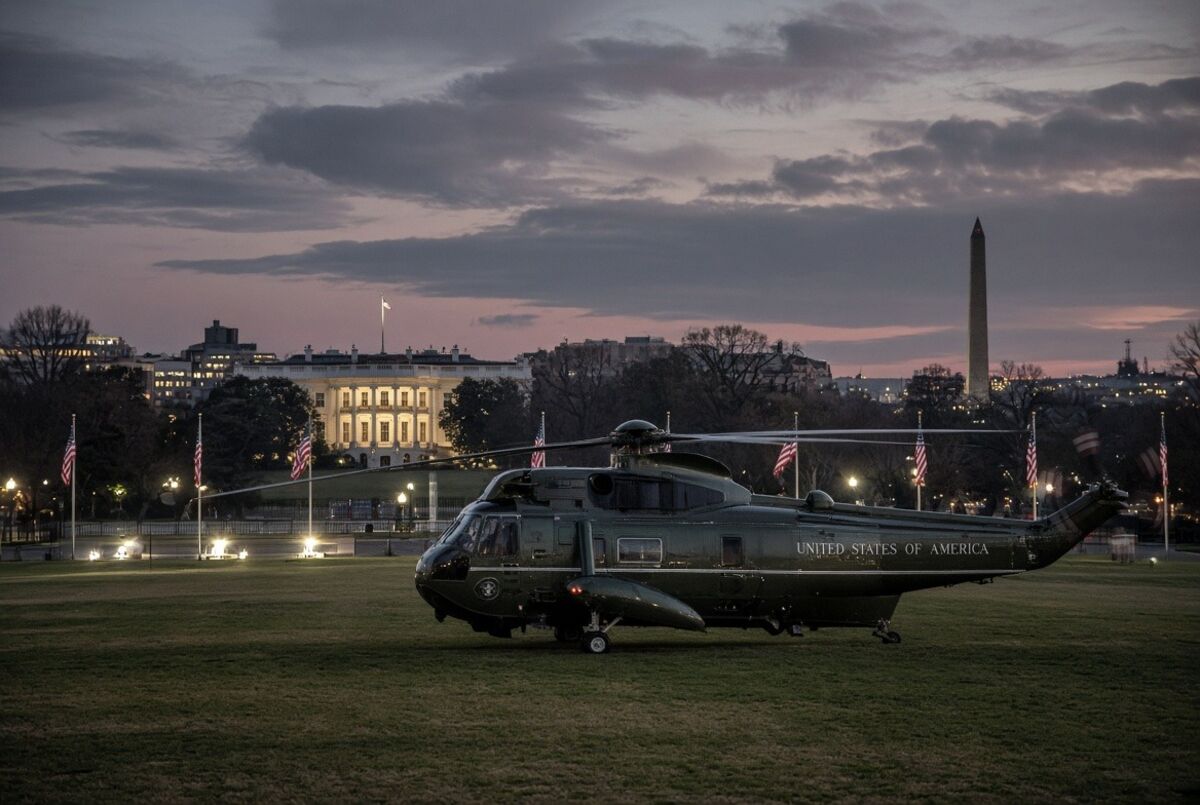
No doubt it will be a long weekend.
Signs the United States may be drawn into a more direct role
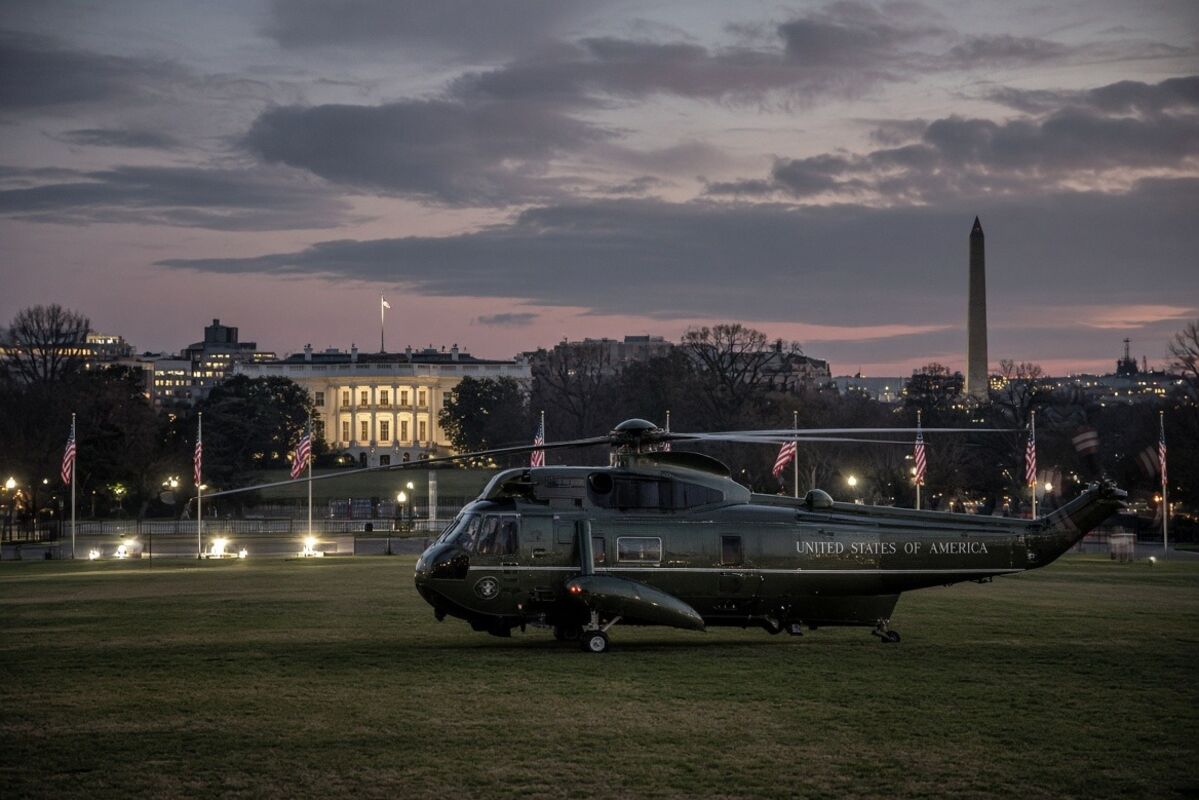
President Trump cut short his Camp David stay and returned to the White House on Saturday evening, September 19. The White House offered no public explanation, but the timing coincided with the Riyadh attack, U.S. embassy security alerts, and ongoing evaluation of the Iran war. U.S. missions across the region warned Americans to exercise heightened vigilance, watch for flight cancellations, airspace closures, and travel disruptions, and noted that "Iranian-supported Houthis have engaged in hostilities against Saudi Arabia, including civilian airports. This military conflict has the potential to escalate rapidly."
Earlier in September the United States declined direct airstrikes after Crown Prince Mohammed bin Salman requested them. Washington instead provided intelligence, geospatial targeting support, and roughly 100–200 advisers working through a joint command. CENTCOM commander Adm. Brad Cooper traveled to Saudi Arabia for consultations. Officials also held talks with Houthi representatives in Oman; the group indicated it would continue to spare U.S. and Israeli shipping while focusing on Saudi-linked targets. That arrangement is under strain now that the Houthis have struck the Saudi capital.

Houthi forces on parade in Sanaa.
Trump's early return, the embassy alerts, and the political sensitivity of a missile reaching the vicinity of Riyadh's international airport make further U.S. involvement more likely than it was a week ago. The administration is already stretched by the Iran campaign, interceptor inventories, and midterm timing. A limited expansion of targeting support, additional air-defense assets, or strikes on Houthi launch infrastructure would be consistent with prior patterns; a large ground commitment would not.
Escalation risks remain high
The Houthis have turned Yemen's civil war into a pressure campaign against Saudi energy infrastructure and Red Sea shipping while supporting Iran. Saturday's attack on the capital raises the political cost for Riyadh of continued restraint. Saudi air defenses worked this time, but interceptors are finite and the Houthis can generate volume with relatively cheap drones and missiles. Any U.S. step-up risks drawing Iranian or Iraqi militia responses and further disrupting oil flows already strained by the wider war.
Saudi Arabia has real capabilities and just demonstrated them over Riyadh. Those capabilities are not interchangeable with U.S. military power. McBeth's core observation holds: hardware purchased on the open market does not automatically produce an army that can impose its will on a determined, experienced hybrid force operating on familiar terrain. The latest strike on the capital is testing whether that distinction still matters to Washington.


Reader Comments(0)