
Community, Diversity, Sustainability and other Overused Words


Community, Diversity, Sustainability and other Overused Words
10-year-old and two Eritrean women, killed by trampling on a 105-person dinghy off Calais; 102 survivors returned to France, not Britain
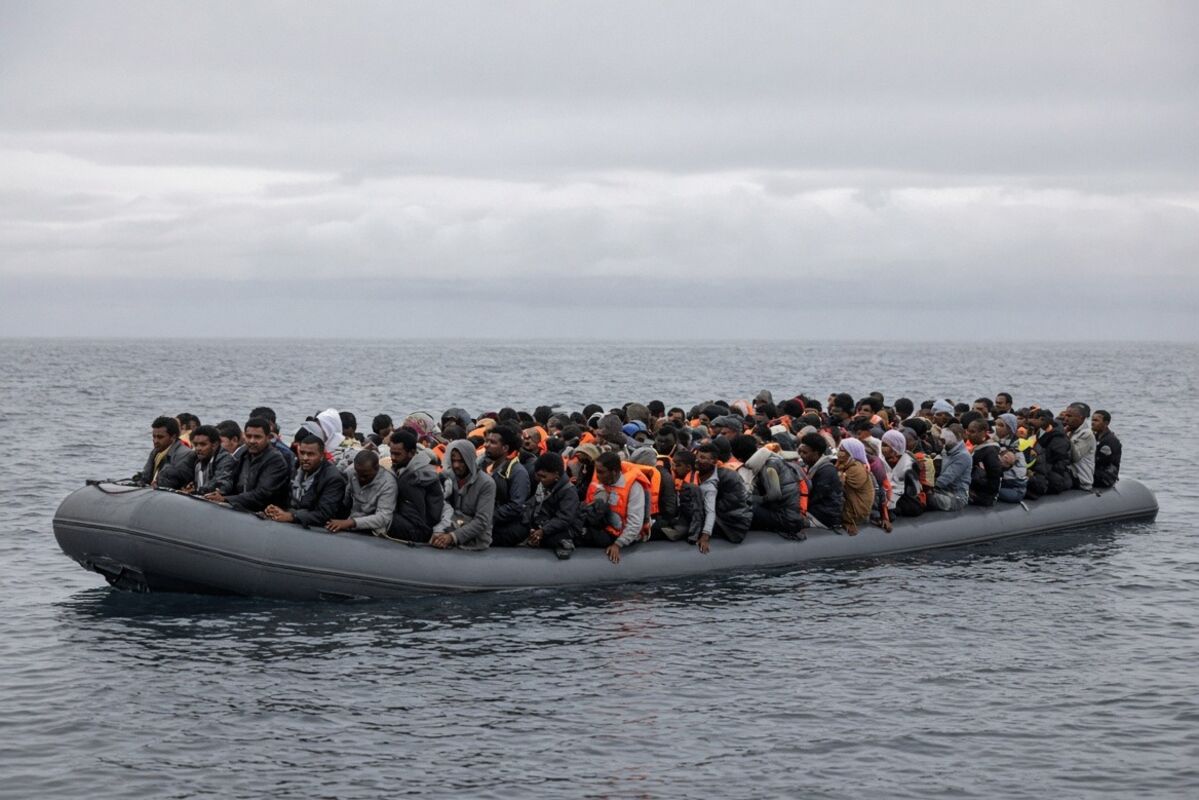
Overcrowded "taxi boats" like this are how many Channel crossings are attempted. Monday's vessel carried 105 people; French authorities said three died from crushing, not drowning, and the rest were taken back to Calais.
Overcrowded "taxi boats" like this are how many Channel crossings are attempted. Monday's vessel carried 105 people; French authorities said three died from crushing, not drowning, and the rest were taken back to Calais.
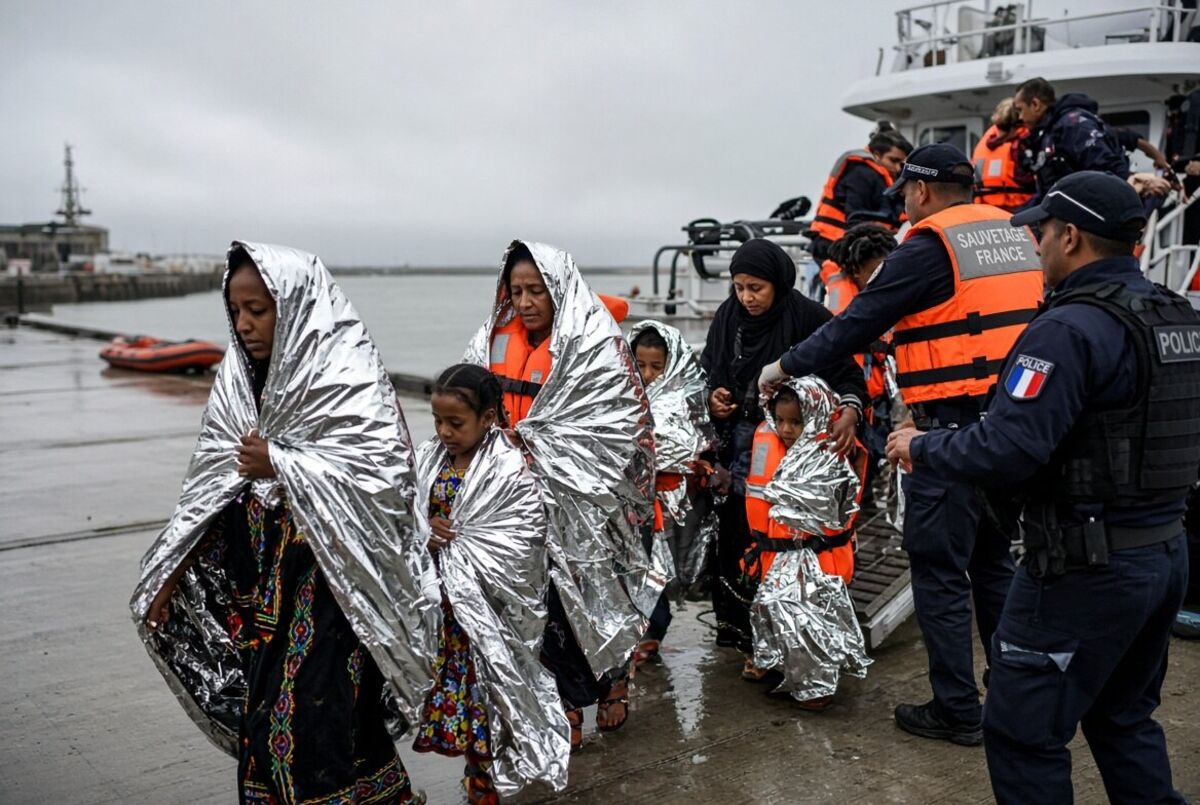
A 10-year-old child and two women in their 30s died on Monday morning after an overcrowded inflatable dinghy carrying 105 people ran into difficulty while attempting to cross the English Channel from northern France. French authorities said the deaths were likely caused by crushing or trampling, not drowning. Seas were calm. The 102 survivors were rescued and taken to the port of Calais. They did not reach Britain.
The boat, described as a "taxi boat," departed around 5:15 a.m. from the Blériot Plage area near Sangatte. Passengers waded into the water to board. A distress call was made around 8 a.m. when the vessel was several kilometres offshore. A medical team flown by helicopter confirmed the three deaths on board. Nine other people received medical treatment after landing in Calais. The child's mother and likely siblings were also on the boat. French officials said the deceased were believed to be Eritrean.
Where they were coming from
Overcrowded "taxi boats" like this are how many Channel crossings are attempted. Monday's vessel carried 105 people; French authorities said three died from crushing, not drowning, and the rest were taken back to Calais.
The three who died were reported as likely Eritrean. Full nationalities of everyone on this specific boat have not been released. People attempting Channel crossings typically originate from countries including Eritrea, Afghanistan, Sudan, Iraq and Somalia. Many travel through multiple countries before reaching the French coast, where they wait in informal camps or nearby towns and pay smugglers thousands of dollars for a place on a dinghy.
Why they did not stay in France
France is a safe country where they can apply for asylum. Many still attempt the Channel because they want to reach the UK specifically: English is widely spoken, some have family or community ties there, and smugglers market Britain as the destination. Others have already passed through other EU states and face the Dublin rules, which can assign responsibility for their claim to the first EU country they entered. Conditions in the camps around Calais and Dunkirk are poor, and some people whose claims have been refused elsewhere keep moving. French officials blamed smuggling networks for packing too many people onto unstable boats and exposing children to the risk.
What happens now
The survivors are in France, not Britain. They were processed by French authorities after disembarking in Calais. They can claim asylum in France. Some may be detained, some released, and some may try another crossing. Those who do reach the UK by small boat can be returned to France under the UK-France "one in, one out" arrangement, under which a matching number of people in France who have not attempted the crossing can be brought to Britain through a legal route. That scheme has returned only a small fraction of arrivals so far.
Charges
A judicial investigation has been opened by prosecutors in Boulogne-sur-Mer to establish the exact circumstances. No arrests or charges have been announced in connection with Monday's deaths. The Pas-de-Calais prefect, François-Xavier Lauch, attributed the incident to smugglers who profit from overcrowding boats. Similar past cases have led to later prosecutions of alleged organisers for facilitating illegal immigration and, in some drownings, involuntary manslaughter. This investigation is only hours old.
Monday's deaths bring the recorded Channel crossing fatalities in 2026 to at least 20–22, according to French and AFP tallies. Small-boat arrivals to the UK this year have fallen compared with 2025, but overcrowding on individual boats has increased the risk when vessels get into trouble.


Reader Comments(0)