
Community, Diversity, Sustainability and other Overused Words


Community, Diversity, Sustainability and other Overused Words
Nearly 200 contacts of Darya Shipilova have completed observation with no secondary cases reported, but officials have not said what killed the 28-year-old plague-institute technician, and the WHO is still asking for the test details.
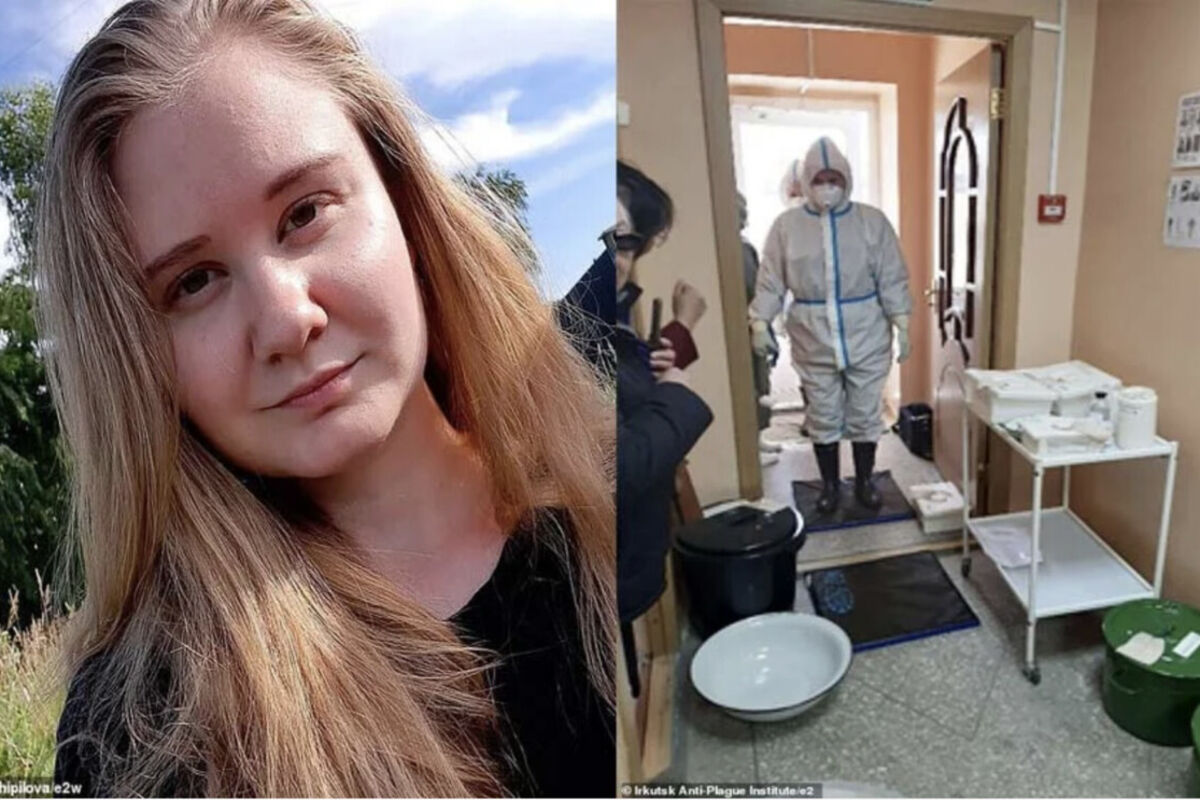
Darya Shipilova, the 28-year-old laboratory technician at the Irkutsk Anti-Plague Research Institute whose death prompted the monitoring, in a photo circulated by Russian media.
Illustrative image of a researcher in protective equipment handling laboratory glassware; no photograph of the reported incident has been released.
As of October 8–9, 2026, Russian authorities say the quarantine and medical observation linked to the death of laboratory technician Darya Shipilova have ended, with no secondary cases and no dangerous pathogens found in nearly 5,000 samples. They still have not published a definitive cause of death. The World Health Organization continues to ask what tests were run and, if the illness was not plague, what killed her.
Shipilova, 28, worked at the Irkutsk Anti-Plague Research Institute of Siberia and the Far East in the Shelekhov area. She was hospitalized on September 29 with severe pneumonia and died overnight on October 1–2. Independent outlet People of Baikal (Lyudi Baikala), citing sources, reported that she told staff she had broken a tube containing the plague bacterium around September 25. That account is unconfirmed. Her mother, Svetlana Shipilova, later rejected it while still under observation, saying laboratory containers are designed so that damaging them is practically impossible. Officials also examined and dismissed a report of infection linked to travel.
Rospotrebnadzor, Russia’s public-health watchdog, has described the illness as pneumonia of undetermined etiology. It says biological samples contained none of the microorganisms tied to her work, that she had been vaccinated against those pathogens, and that two biosafety reviews found no accident involving pathogenic organisms at the institute. Neighboring Buryatia’s leader, Alexei Tsydenov, initially wrote that she had died of plague, then edited the post to “possibly.” Irkutsk Governor Igor Kobzev and the agency have repeatedly said the situation in Irkutsk and Shelekhov is stable.
About 197 contacts were identified; roughly 189 were placed under observation, many in medical facilities. Independent reporting said more than 60 institute staff were confined on site for several days while swabs were taken. Some local hospitals restricted admissions, discharges, or visits; several later denied social-media claims of a three-week shutdown. The Irkutsk Aluminium Plant in Shelekhov briefly ordered masks. On October 8, Kobzev and Rospotrebnadzor said observation of all contacts was complete, quarantine measures had been lifted, and testing had found no hazardous pathogens and no infectious illness among contacts linked to the case. Reports of a second employee with pneumonia of unknown cause were called fake.
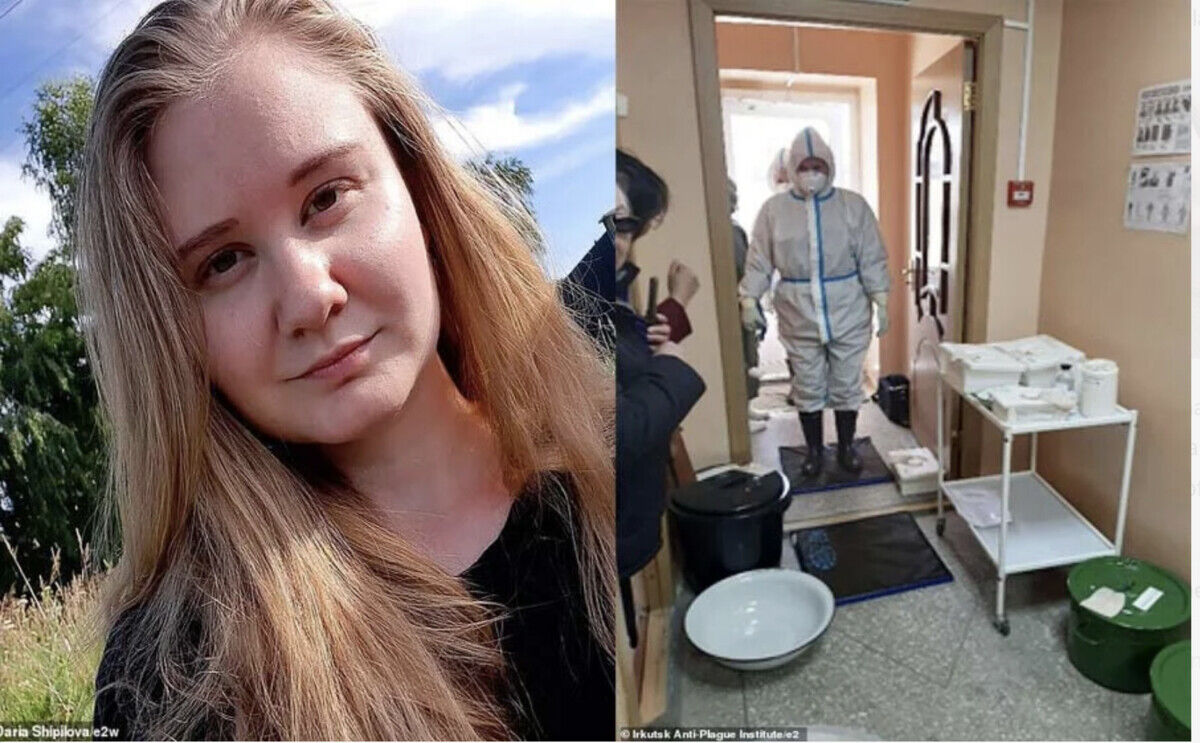
Illustrative image of a researcher in protective equipment handling laboratory glassware; no photograph of the reported incident has been released.
WHO officials, including Maria Van Kerkhove and Director-General Tedros Adhanom Ghebreyesus, have said Russia reported no plague case in Irkutsk Oblast and about 200 contacts under quarantine, but that the agency still lacks a full picture of the laboratory workup. WHO’s risk assessment, based on information available earlier in the week, was moderate to low for Irkutsk, low for Russia, and very low for the European region. U.S. officials, including Secretary of State Marco Rubio, said they were monitoring the reports with the CDC and did not see cause for alarm, while pressing for prompt, open detail.
The roughly 200 contacts
They were people who may have been exposed to Shipilova—coworkers, family, and others identified through contact tracing—not a confirmed outbreak cohort. Pneumonic plague, if that had been the diagnosis, spreads person-to-person by respiratory droplets and can kill within days without early antibiotics, so isolating or observing contacts is standard even for a single suspected case. Russian authorities now say that period is over: no related illness, negative results for the pathogens she worked with, and restrictions lifted. Her mother was still being swabbed in hospital as of around October 5; colleagues told local media by October 5 that institute staff had been released and were healthy, while final findings on the death were still pending at that point.
Are the Russian statements reliable?
The public record supports the claim that this did not become an outbreak. No secondary plague cases have been confirmed by officials, independent outlets, or WHO, and the observation window for pneumonic plague is short enough that widespread transmission would likely have shown itself by now. The scale of the response—hospital restrictions, staff confinement, nearly 200 people monitored, a senior Rospotrebnadzor visit—was consistent with treating a high-consequence pathogen as possible until ruled out.
What remains unresolved is the cause of death. Officials have said “pneumonia of unknown etiology” and “no work-related microorganisms found,” without naming the pathogen or releasing the test panel. WHO has asked explicitly which pathogens were evaluated and how she died if not from plague. A criminal inquiry into possible sanitary violations has been reported locally. Early contradictory statements (a regional leader’s “plague,” later softened; deleted local alerts; hospitals disputing quarantine rumors) and the absence of a published etiology leave a transparency gap. Negative tests and zero secondary cases are the strongest available evidence against an ongoing plague event; they do not by themselves prove what killed Shipilova.


Reader Comments(0)