
Community, Diversity, Sustainability and other Overused Words


Community, Diversity, Sustainability and other Overused Words
Demoic acid occurs naturally, but can cause lethargy, disorientation, tremors, seizures, and potentially fatal heart problems in marine mammals. This year has been particularly tough for them
Sick Sea Lions Continue Washing Ashore in Half Moon Bay and Monterey County Amid Record Domoic Acid Outbreak
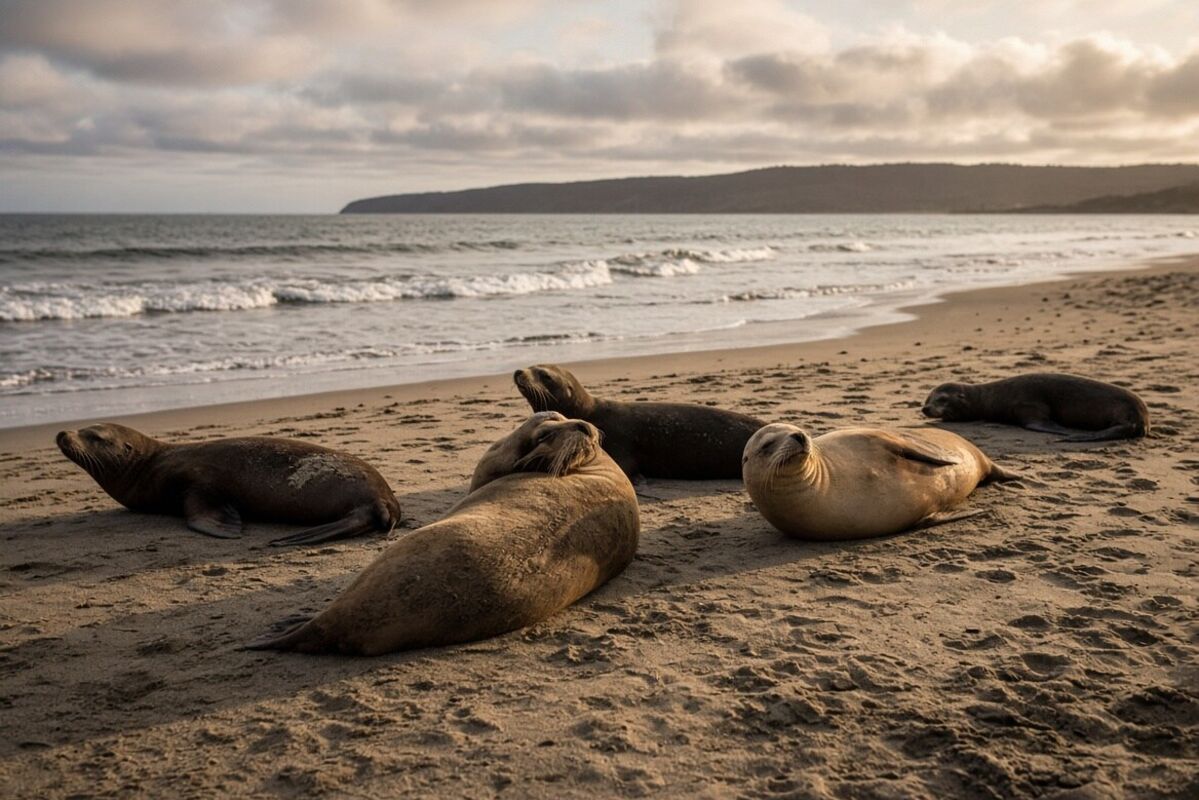
HALF MOON BAY, Calif. - Sick and dead sea lions have continued to appear on beaches in Half Moon Bay and surrounding San Mateo County waters throughout October, even as response calls declined elsewhere along the California coast. The area has remained a primary hotspot for strandings linked to a record-setting outbreak of domoic acid poisoning.
The Marine Mammal Center, which operates a roughly 600-mile response range, reported more than 300 cases of domoic acid poisoning in marine mammals so far in 2026-the largest outbreak in the organization's history since its founding in 1975. A typical year sees about 75 to 90 such cases. Monterey, Santa Cruz, and San Mateo counties have experienced the greatest activity. While overall responses dropped in October outside San Mateo County, Half Moon Bay has continued to see elevated numbers of affected animals in recent weeks.
Domoic acid is a naturally occurring neurotoxin produced by the algae Pseudo-nitzschia. It accumulates in small fish such as sardines and anchovies, which sea lions then consume. In marine mammals, the toxin can cause lethargy, disorientation, tremors, seizures, and potentially fatal heart complications. Treatment may include fluids, anti-seizure medication, and uncontaminated fish, though animals with severe or repeated exposure often do not survive.
Giancarlo Rulli, a spokesperson for the Marine Mammal Center, told NBC Bay Area that the toxin can thrive in both warm and cold water conditions. He noted that Half Moon Bay has stood out as an ongoing hotspot even as calls declined elsewhere. Local residents have also reported more dead sea lions and birds than usual this year. The surge has strained volunteer response teams, who sometimes face animals weighing hundreds of pounds that require multiple people and equipment to handle.
The outbreak coincides with warmer ocean conditions, including a marine heat wave and El Niño influences that have pushed warmer waters toward the California coast. Experts say these conditions contribute to the unpredictability of harmful algal blooms. Earlier peaks occurred in late August and September around Monterey Bay, where the center responded to clusters of sick sea lions showing neurological symptoms. Fishery advisories related to elevated toxin levels in some fish have also been issued at points during the year.
Seabirds have been affected as well. International Bird Rescue has taken in roughly 300 sick birds since mid-August, primarily common murres, which biologists attribute in part to starvation as warmer waters shift or deepen their prey. The Marine Mammal Center has described sea lions as sentinel species whose health reflects broader ocean conditions that can also affect human seafood safety.
Officials urge the public to stay at least 150 feet away from stranded marine mammals, keep pets leashed and away, and never touch or attempt to move the animals. Sightings of sick, disoriented, or injured marine mammals should be reported to the Marine Mammal Center's hotline at 415-289-SEAL (7325). Response teams continue to manage elevated call volumes and care for animals at their Sausalito hospital. It remains unclear when the outbreak will fully subside.
The situation follows a record leptospirosis outbreak among California sea lions in 2025 and underscores ongoing challenges from changing ocean conditions.



Reader Comments(0)