
Community, Diversity, Sustainability and other Overused Words


Community, Diversity, Sustainability and other Overused Words
Bolsanaro had the momentum, but Supreme Court extends voting to assure Lula de Silva prevails. Claims of a Stolen Election and Annulment Prospects?
Lula Wins Narrow Re-Election in Brazil as Opponent Challenges Last-Minute Voting Extension
Lula Wins Narrow Re-Election in Brazil as Opponent Challenges Last-Minute Voting Extension
Lula Wins Narrow Re-Election in Brazil as Opponent Challenges Last-Minute Voting Extension
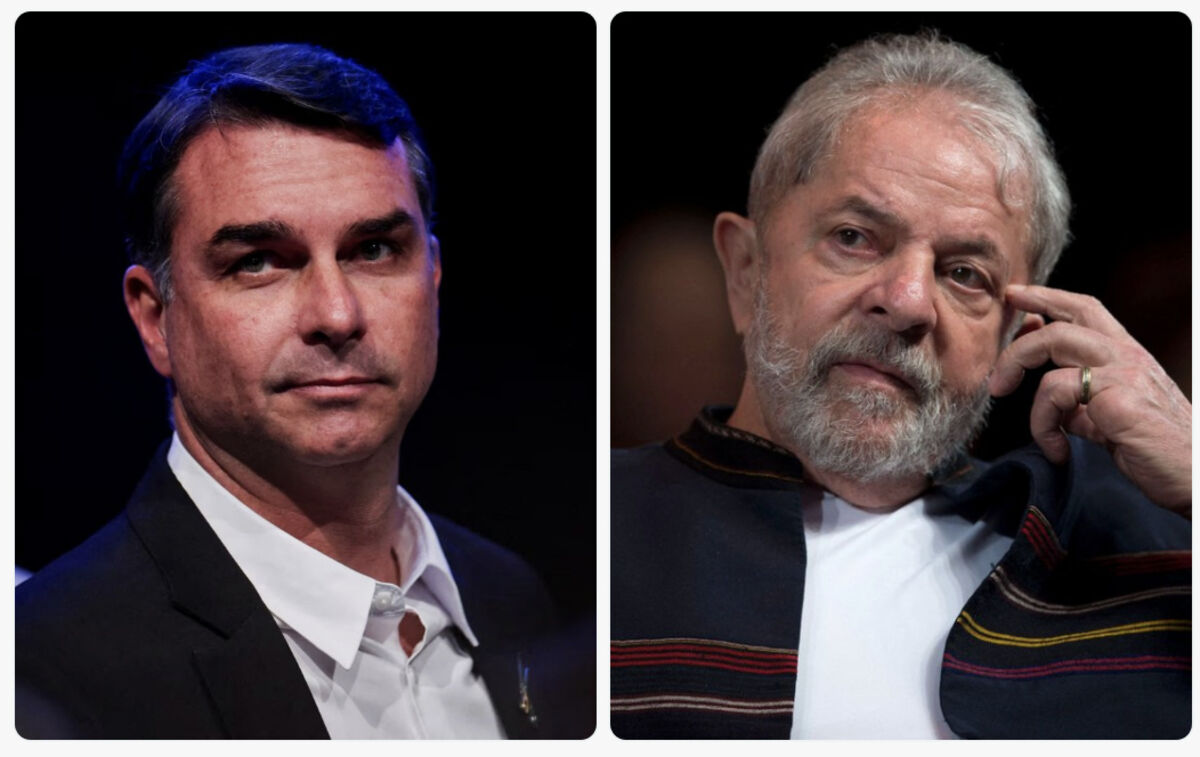
President Luiz Inácio Lula da Silva was re-elected to a fourth non-consecutive term on October 25, 2026, defeating Senator Flávio Bolsonaro in a close presidential runoff. With nearly all votes counted, Lula received approximately 51.76–51.78% of valid votes (roughly 64.25 million) to Bolsonaro's 48.22–48.24% (roughly 59.8 million), a margin of about 4.3–4.4 million votes, according to Brazil's Superior Electoral Court (TSE).
The result marked a historic comeback. In the first round on October 4, Flávio Bolsonaro-the eldest son of former President Jair Bolsonaro, who is serving a prison sentence related to post-2022 events-led with about 47% to Lula's 45%. No candidate since the return of direct elections had previously overturned a first-round deficit to win the runoff.
Voting Hours Extension
Lula Wins Narrow Re-Election in Brazil as Opponent Challenges Last-Minute Voting Extension
Voting, normally scheduled to end at 5 p.m. Brasília time, was extended by two hours to 7 p.m. following a decision by Supreme Federal Court (STF) Justice Cristiano Zanin. The order responded primarily to a request from Lula's campaign, which cited public transportation disruptions-such as reduced bus fleets, long queues, and access problems-in multiple states including Bahia, São Paulo, and others. Flávio Bolsonaro's campaign had also sought extensions in areas affected by rain. Zanin later clarified that the extension applied only to polling stations still open at the time of the order; stations that had already closed were to have their votes counted normally. The TSE paused results tallying temporarily while implementing the guidance under its president, Kassio Nunes Marques.
Zanin previously served as Lula's personal lawyer before his appointment to the STF. This connection has been highlighted by critics, including the X post that prompted this story, which framed the extension as manipulation benefiting Lula. Election day was described across outlets as chaotic due to the transport and weather issues.
Claims of a Stolen Election and Annulment Prospects
Lula Wins Narrow Re-Election in Brazil as Opponent Challenges Last-Minute Voting Extension
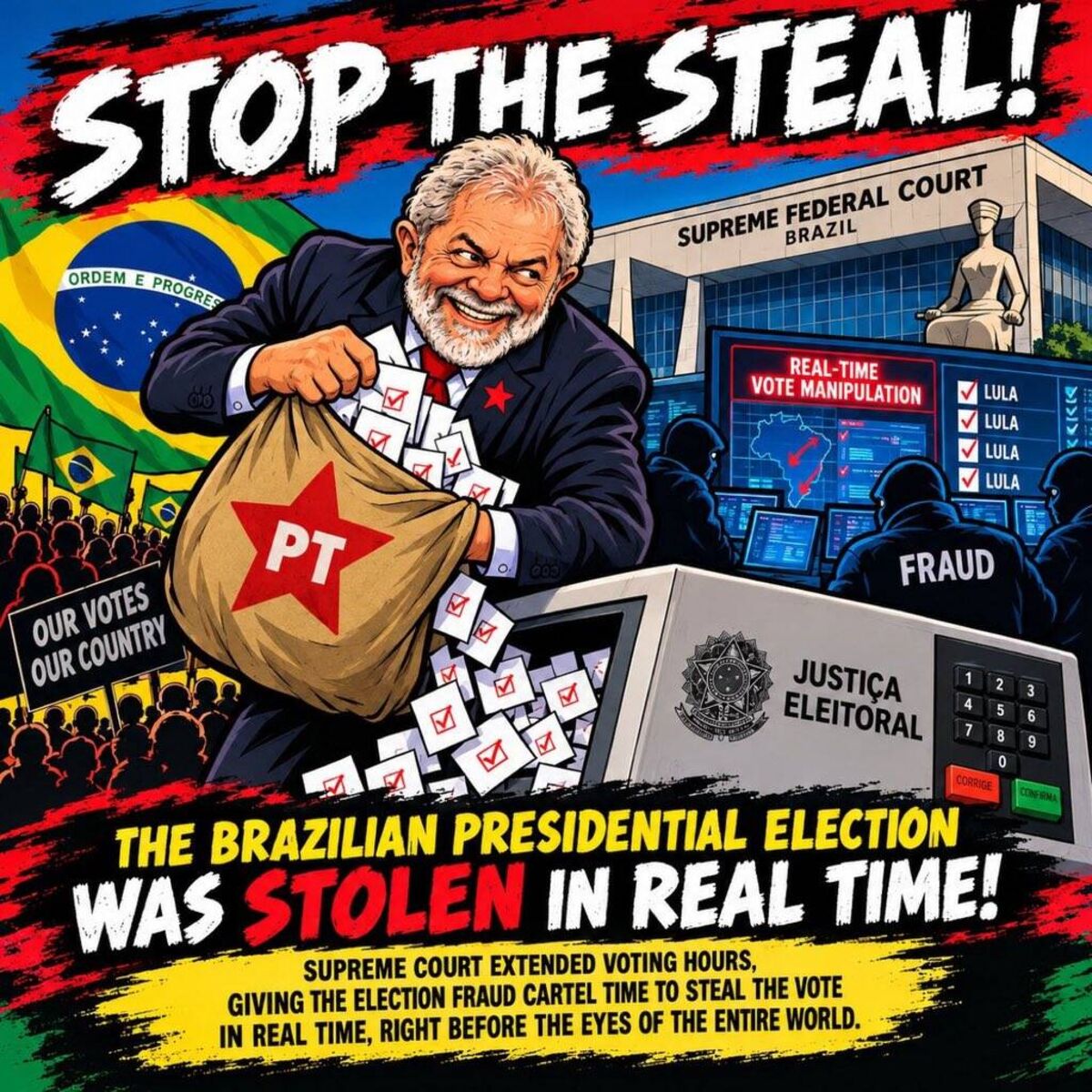
Flávio Bolsonaro has refused to concede and called for the results to be annulled, describing the nationwide last-minute extension as unprecedented and a violation of equal conditions among voters across states. He has argued it is impossible to know how many additional votes might have been cast in areas where stations did not fully reopen. Some opposition voices have echoed fraud or procedural irregularity claims, though no major outlets have reported substantiated evidence of machine tampering, ballot stuffing, or systemic vote fraud in Brazil's long-standing electronic voting system.
Under Brazilian electoral law (particularly Article 224 of the Electoral Code), the TSE can order a new election if proven irregularities-such as fraud, falsity, or coercion-nullify more than half the votes and compromise the result's legitimacy. A new vote would typically be scheduled within 20–40 days. Isolated or procedural issues do not automatically trigger annulment. Challenges can proceed through the electoral courts and, in some cases, reach the STF. As of early October 26, no formal court ruling has overturned or suspended the result; Bolsonaro's statements represent a political demand that would need to meet the legal threshold through evidence and judicial process. If an annulment were ordered before the January 2027 inauguration, the sitting president would continue under constitutional rules pending any new vote.
Mainstream reporting treats Lula's victory as the official, certified outcome of a polarized contest. The procedural controversy over the extension has fueled political claims of unfairness, particularly from the right, but has not been accompanied by verified evidence that the vote count itself was fabricated or systematically altered. Lula's inauguration for the new term is scheduled for January 5, 2027.




Reader Comments(0)