
Community, Diversity, Sustainability and other Overused Words


Community, Diversity, Sustainability and other Overused Words
The city's approach to this milestone reeks of self-loathing, as it prioritizes perceived inequities over honoring its achievements.
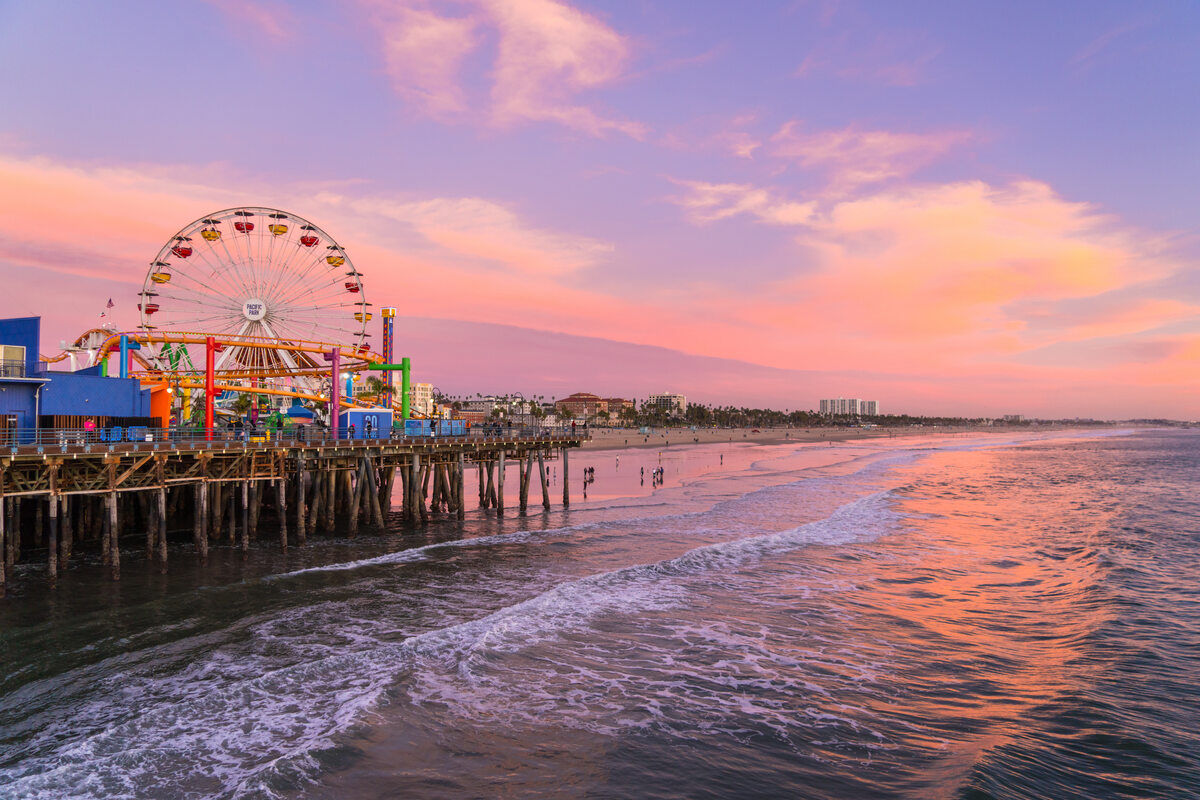
112 year old Santa Monica Pier is the single greatest tourist attraction in Los Angeles County, by number of visitors each year.
Santa Monica is marking its 150th anniversary with a series of events that, rather than celebrating the city's rich history, seem intent on rewriting it through a lens of guilt and division. The city's approach to this milestone reeks of self-loathing, as it prioritizes addressing perceived inequities over honoring the achievements that made Santa Monica a beacon of opportunity and innovation.
From July to December 2025, Santa Monica is hosting a slate of community-led events, many of which are funded by microgrants ranging from $500 to $5,000. These grants are explicitly designed to "acknowledge the injustices that have shaped our past," according to the city's official website. This focus on historical grievances is a stark departure from what one might expect from a sesquicentennial celebration. Instead of pride in the city's trailblazing advancements in art, culture, sports, technology, and environmentalism, the narrative is dominated by a push to confront and atone for past wrongs.
Take, for instance, the "Vamos Al Parque!" event, which intertwines the 150th anniversary with Hispanic Heritage Month. While cultural celebrations are commendable, the underlying message is clear: Santa Monica's history is incomplete without a reckoning with its treatment of minority communities. The city's first Public Works Department Artist in Residence, Debra Scacco, debuted an exhibit titled "Laboratory for the Future," which ostensibly explores sustainability but is part of a broader effort to reframe Santa Monica's identity through a progressive, guilt-ridden lens.
The microgrants program itself is a case study in how local government can weaponize history against itself. By funding events that must align with goals like "addressing inequities," Santa Monica ensures that its anniversary becomes a platform for activism rather than celebration. This approach alienates many residents who see the city's history as a source of pride, not shame.
The emphasis on "fostering connection" seems more like an attempt to paper over divisions created by this very narrative.
Moreover, the city's leadership, including Mayor Lana Negrete, has framed the anniversary as an "opportunity to reflect not only on our history and our progress, but also on the stories and voices that haven't always been heard." This language suggests that the dominant narrative of Santa Monica's past is inherently flawed and in need of correction. It ignores the fact that the city has long been a hub of innovation and community engagement, attracting people from all walks of life who have contributed to its success.
The 150th anniversary celebrations are not just a missed opportunity; they are a deliberate choice to undermine the very foundation of what made Santa Monica great.
By focusing on division and guilt, the city risks alienating its residents and erasing the achievements that define its legacy. Santa Monica's history is one of resilience, creativity, and progress, but you wouldn't know it from the way the city is choosing to mark this milestone. Instead of celebrating 150 years of success, Santa Monica seems determined to hate its own history.


Reader Comments(0)