
Community, Diversity, Sustainability and other Overused Words


Community, Diversity, Sustainability and other Overused Words
Leftists are from Venus and Conservatives are from Mars. Here's a List of Reasons to Challenge Thinking and Spark Dialogue, Not Rioting in the Wake of the Renee Good Shooting
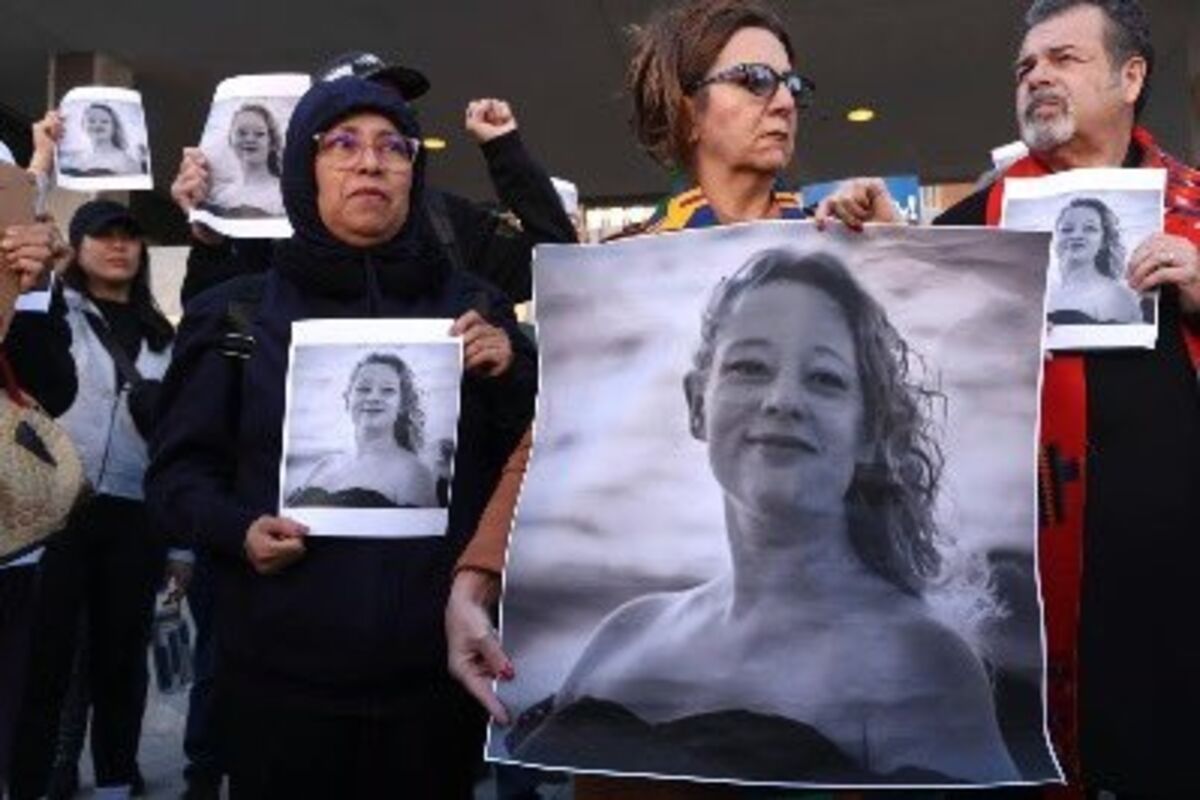
Protestors holding photos of Renee Good. She has become a cause celebre, who appears to have lived an unstable life
Renee Goods wife cheered her on while she attempted to run over an Ice officer. Why?
For those of us on the political right, it's hard to understand why protesters in multiple US cities risk arrest or worse to prevent deportations of people who are in the country illegally, and in many cases are criminals. We simply think people like Renee Good are insane to block armed federal officers from doing their job, in freezing weather no less. Leftists are from Venus and conservatives are from Mars. We seemingly don't speak the same language anymore.
So we thought as a public service, we would provide you with a list of Seven reasons cited by demonstrators. We don't say who's right here. It's purely an attempt to reach across the divide and understand our fellow Americans.
Protesters opposing ICE deportations, often aligned with left-leaning or progressive views, cite a range of humanitarian, ethical, legal, and social concerns. These motivations have been highlighted in recent protests, including those sparked by the January 8, 2026, fatal shooting of Renee Nicole Good during an ICE operation in Minneapolis, which led to nationwide actions like the "ICE Out for Good" rallies.
Their willingness to risk personal safety-such as blocking vehicles or facing potential arrests-stems from a belief that these actions are necessary to protect vulnerable communities and challenge what they see as unjust policies. Based on statements from demonstrators, advocacy groups like the ACLU and Amnesty International, and coverage of the events, here are the key reasons they oppose deporting undocumented immigrants:

Renee Goods wife cheered her on while she attempted to run over an Ice officer. Why?
1. Humanitarian and family separation concerns: Deportations often tear apart families, including mixed-status households with U.S. citizen children or spouses. Protesters argue this causes long-term trauma, disrupts communities, and sends people back to dangerous conditions in their home countries, such as violence or poverty.
2. Perceived violence and abusive tactics by ICE: Demonstrators view ICE operations as heavy-handed, involving excessive force, intimidation, and "brazen lawlessness." Examples include vehicle rammings, assaults on protesters, and the recent fatal shooting, which they describe as murder or unjustified escalation.
3. Wrongful detentions and racial profiling: Reports of U.S. citizens and legal residents being detained or deported without due process, often based on appearance or ethnicity, fuel outrage. Protesters highlight cases where people are "snatched" from jobs or homes despite providing proof of status, eroding trust in law enforcement.
4. Creation of fear and community harm: Mass deportations foster a "climate of fear" that discourages immigrants from accessing essential services like schools, healthcare, or police protection. This is seen as dehumanizing and counterproductive, harming both immigrants and broader society.
5. Opposition to broader anti-immigrant policies: These actions are viewed as part of a larger "mass deportation machine" tied to xenophobic rhetoric, misinformation, and policies that target dissenters or expand enforcement through local authorities. Protesters call for investment in welcoming communities instead of raids.
6. Economic and social contributions of immigrants: Undocumented immigrants are seen as vital to the economy (e.g., in labor-intensive jobs) and society. Deporting them is argued to cause unnecessary disruption, with calls for paths to legalization rather than removal.
7. Constitutional and democratic violations: Protesters argue that ICE's methods violate rights, suppress free speech (e.g., labeling activists as "domestic terrorists"), and undermine democracy by prioritizing enforcement over compassion or reform.



Reader Comments(0)