
Community, Diversity, Sustainability and other Overused Words


Community, Diversity, Sustainability and other Overused Words
National Weather Service alerts, including winter storm and ice storm warnings, stretched nearly 2,000 miles at their peak - a record for the number of counties affected
Snowblower in Tennessee
Philadelphia
January 25, 2026 - A massive winter storm unofficially named Winter Storm Fern by The Weather Channel has unleashed heavy snow, freezing rain, ice, and Arctic cold across a vast swath of the United States, impacting more than 230 million people from Texas and the Southwest to the Northeast and parts of Canada.
The storm, which originated from an upper-level low developing over the Pacific near Baja California around January 22, has traversed much of the country, prompting emergency declarations in at least 24 states. National Weather Service alerts, including winter storm and ice storm warnings, stretched nearly 2,000 miles at their peak - a record for the number of counties affected.
As of late January 25, over 1 million customers were without power nationwide, with the hardest-hit areas in the Deep South and Southeast.
States like Tennessee reported some of the highest outage rates, while utilities in Kentucky and other regions worked extended shifts amid treacherous conditions to restore service. Freezing rain and ice accumulation caused trees and power lines to fail, exacerbating blackouts in areas unaccustomed to such severe winter weather.
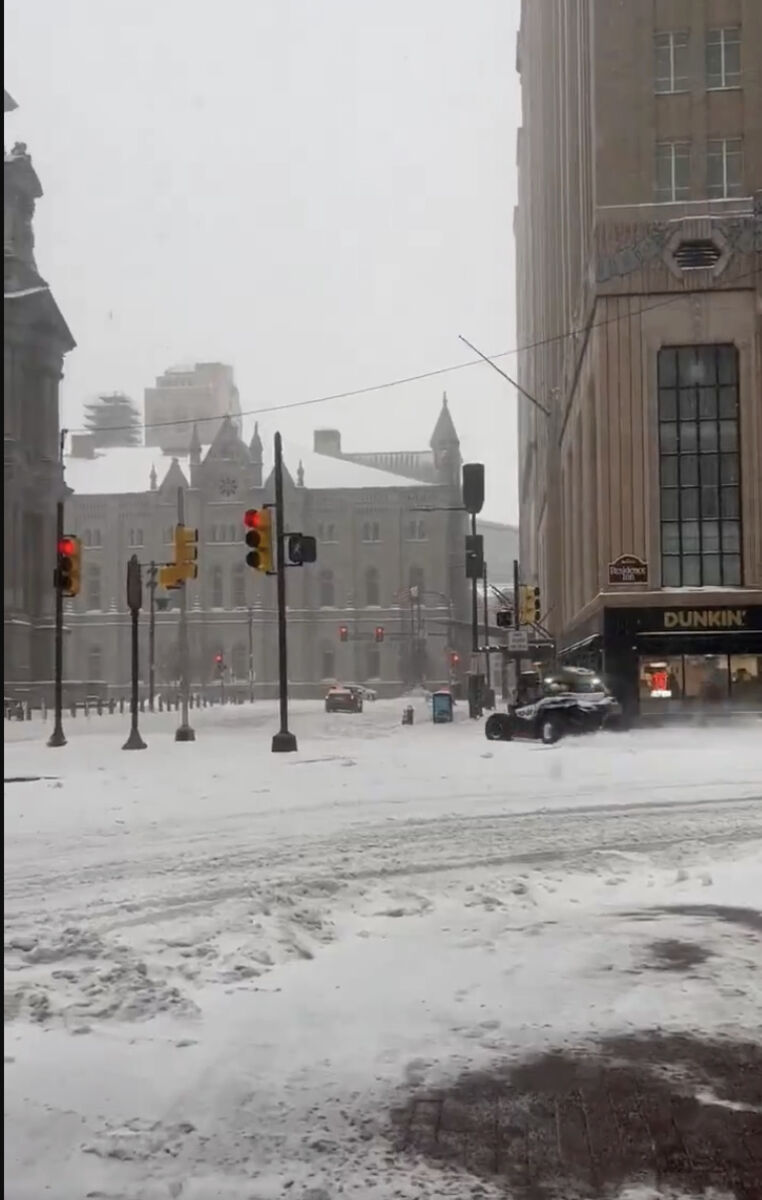
Philadelphia
Aviation faced historic levels of disruption. Airlines canceled more than 11,000 flights on January 25 alone, with cumulative cancellations over the weekend climbing into the tens of thousands - approaching records set during major events in prior years. Major hubs including New York-area airports (JFK, LaGuardia, Newark), Washington, D.C., Chicago, Dallas, and Atlanta experienced mass ground stops, diversions, and delays due to snow-covered runways, low visibility, and de-icing challenges.
At least seven to eleven deaths have been linked to the storm and associated extreme cold. Reports include fatalities from hypothermia in Louisiana, multiple deaths in New York City (where five individuals were found outside amid sub-freezing temperatures), and other weather-related incidents. A private plane crash in Bangor, Maine, carrying eight passengers, was also reported amid the storm's battering conditions in the Northeast.Snow accumulations varied widely but reached significant levels in many areas: up to 15 inches in parts of western Pennsylvania, 13 inches in Bridgeport, Connecticut, 12 inches in Ridgefield, New Jersey, and 11 inches in New York City's Bronx. Some Midwest and Plains regions saw rare foot-plus totals, while ice storms battered the South and mid-Atlantic.
The storm's unprecedented scale has strained infrastructure, spiked natural gas prices (with February futures climbing above $6 amid production losses), and forced closures ranging from schools and state offices to Waffle House locations in the South - a rare occurrence signaling the severity. Sports events, including an NBA game, were postponed, and federal offices in Washington, D.C., shut down in preparation for recovery efforts.As Fern shifts eastward, forecasters warn of continued hazards in the Northeast through early Monday, with gradual improvement expected afterward. Officials urge residents to stay indoors where possible, avoid travel, and check on vulnerable neighbors during the prolonged cold snap.Recovery will likely take days in many areas, with states leveraging emergency declarations to access aid for repairs and response.



Reader Comments(0)