
Community, Diversity, Sustainability and other Overused Words


Community, Diversity, Sustainability and other Overused Words
Complete eradication of the island's estimated 1,800 to 2,200 non-native mule deer over the next five to six years, with full implementation targeted by around 2032. The mule deer, introduced to the island starting in the 1920s and 1930s primarily for sport hunting, are not historically native to Catalina
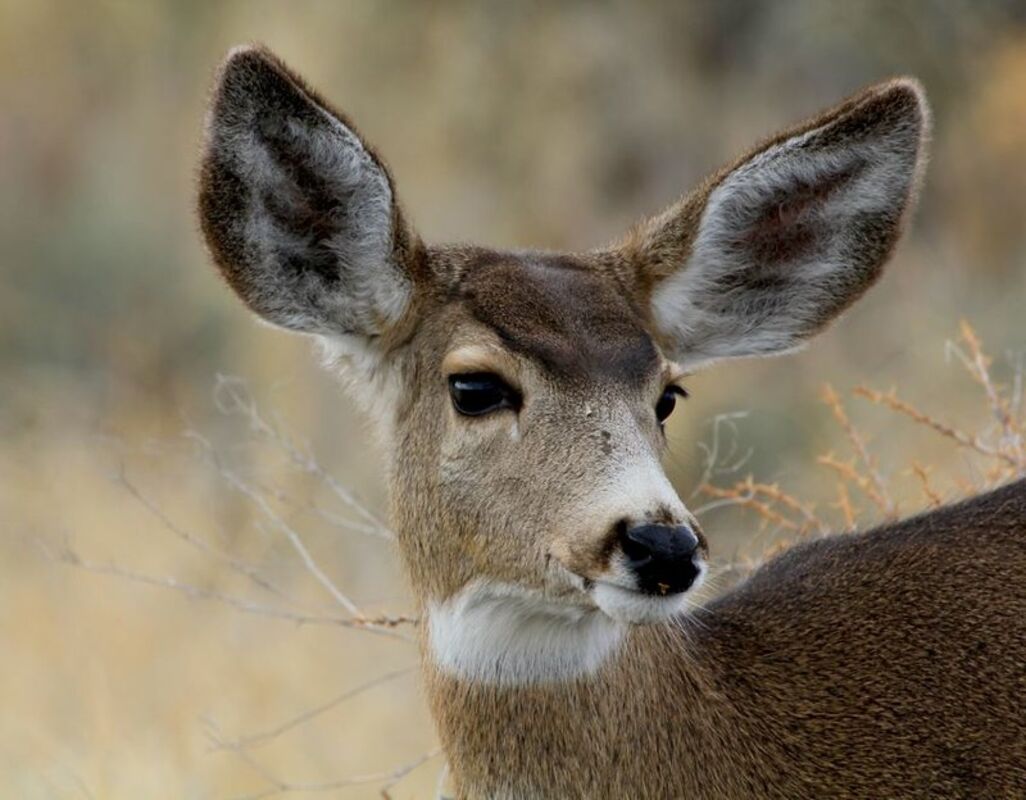
Deer Introduced in 1930 with just 10 mule deer, the population has now exploded to 2,000
The Catalina Island Conservancy's plan to remove all mule deer from Santa Catalina Island has moved forward with state approval, marking a significant - and highly controversial - step in the nonprofit's long-term effort to restore the island's native ecosystem.
In late January 2026, the California Department of Fish and Wildlife (CDFW) approved the Conservancy's Restoration Management Permit (RMP), a comprehensive document that authorizes the complete eradication of the island's estimated 1,800 to 2,200 non-native mule deer over the next five to six years, with full implementation targeted by around 2032. The mule deer, introduced to the island starting in the 1920s and 1930s primarily for sport hunting, are not historically native to Catalina. The Conservancy argues that their overgrazing has severely impacted rare and endemic plants, including the critically endangered Catalina Island mountain mahogany - possibly the rarest tree in North America - while weakening soils, depleting native seed banks, increasing erosion, and heightening wildfire vulnerability in an already drought-prone landscape.
The approved plan shifts away from an earlier, scrapped proposal from 2023 that involved aerial sharpshooting from helicopters, a method that drew intense public backlash over safety concerns (including fears of stray bullets near populated areas like Avalon and Two Harbors) and the prospect of unrecovered carcasses. Instead, the current approach relies on ground-based professional hunters and specialists using rifles in controlled, supervised operations, often conducted at night with the aid of advanced detection tools such as drones, thermal imaging, and tracking dogs. In some phases, deer may be lured to baited sites for more precise and humane dispatch. A final locals-only recreational hunting season is planned for fall 2026 under the existing Private Lands Management program, after which the full-scale removal will ramp up.
To minimize waste and support broader conservation goals, carcasses near roads, trails, or public areas will be collected and donated to the California Condor Recovery Program as a natural food source for the endangered birds (pending funding and testing for diseases like Chronic Wasting Disease). Remote carcasses will be left to decompose naturally, contributing to the island's food web. The plan also incorporates some non-lethal elements, such as capturing, sterilizing, and tracking a subset of deer to help locate and eliminate any remaining individuals in later stages.
The initiative is part of a larger, island-wide restoration effort that includes removing invasive plants, seeding native species, restoring soil and watersheds, and monitoring native wildlife like the island fox and monarch butterflies. The Conservancy, which owns and manages about 88% of the island's 48,000 acres, describes the deer removal as essential for passive and active habitat recovery, arguing that no viable long-term alternative - such as ongoing population control through hunting alone - has proven sufficient to reverse the ecological damage.
The decision has sparked fierce opposition from an unusual alliance of hunters, animal welfare advocates, some local residents, and even Los Angeles County Supervisor Janice Hahn, who wrote a letter in January 2026 urging CDFW to deny the permit and opt for managed population control instead. Critics argue that complete eradication is inhumane, unnecessary, and overlooks relocation or other non-lethal options, while supporters emphasize the scientific consensus from similar island eradications worldwide (e.g., on other Channel Islands) that removing invasive herbivores is often the only path to full ecosystem recovery. As operations prepare to begin in earnest this year, the plan remains a flashpoint between conservation priorities and ethical concerns in one of Southern California's most iconic natural destinations.



Reader Comments(0)