
Community, Diversity, Sustainability and other Overused Words


Community, Diversity, Sustainability and other Overused Words
Separately, Mountain Lion Snatches Shih Tzu in Glendale Backyard Attack
Hidden camera photo of mountain lions. file photo
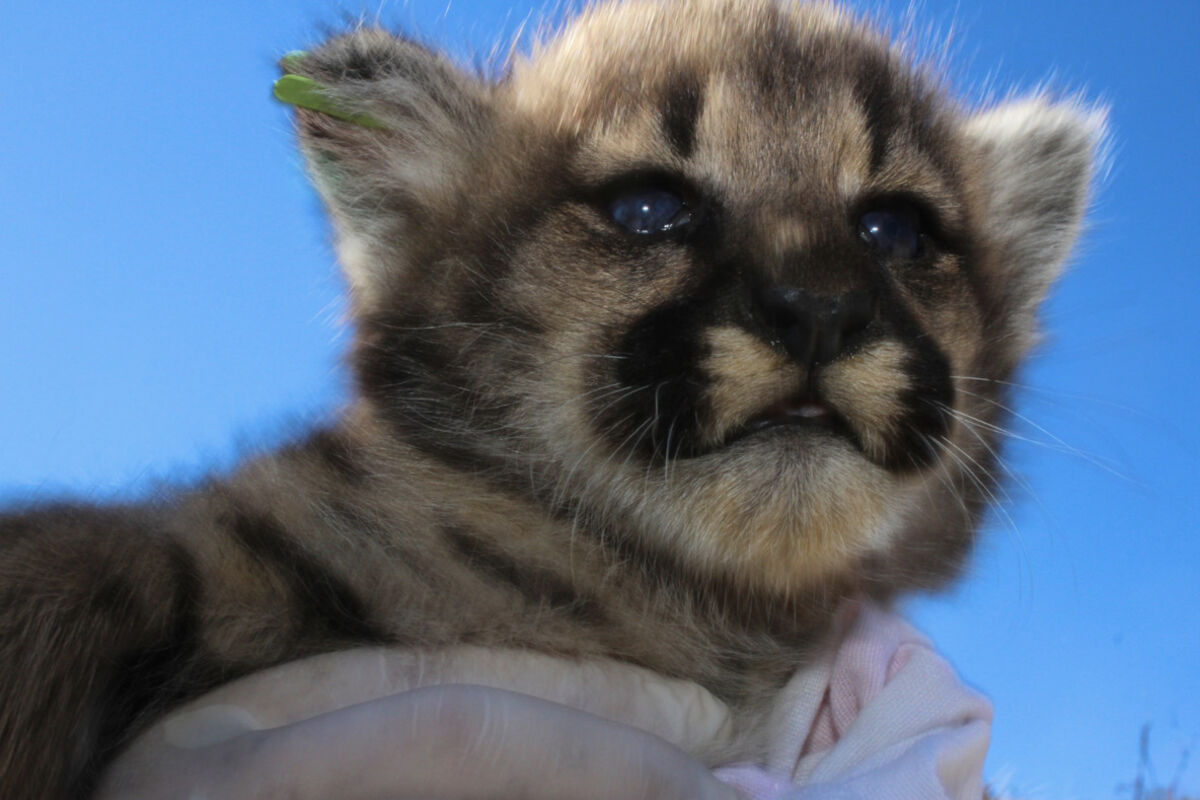
Mountain lion kitten P-67
Mountain Lions in Southern and Central California Gain Threatened Status
In a landmark decision on February 12, 2026, the California Fish and Game Commission unanimously voted to list isolated mountain lion populations in Southern California-including the Santa Monica, Santa Ana, San Gabriel, and San Bernardino mountains-and along the Central Coast as threatened under the California Endangered Species Act (CESA). This protection covers roughly 1,400 lions facing severe threats from habitat fragmentation by roads and development, vehicle strikes, rodenticides, and low genetic diversity that risks inbreeding and local extinction. The move restricts certain human activities in core habitats while promoting coexistence strategies in urban-wildland interfaces.
Conservation groups hailed the listing as a critical step to safeguard these iconic predators, which have long symbolized Southern California's wild spaces. Officials emphasized that proactive measures now could prevent further population declines amid growing human encroachment. The decision follows years of scientific petitions and monitoring, marking the first time California has extended threatened status to regional mountain lion groups under state law.
Mountain Lion Snatches Shih Tzu in Glendale Backyard Attack
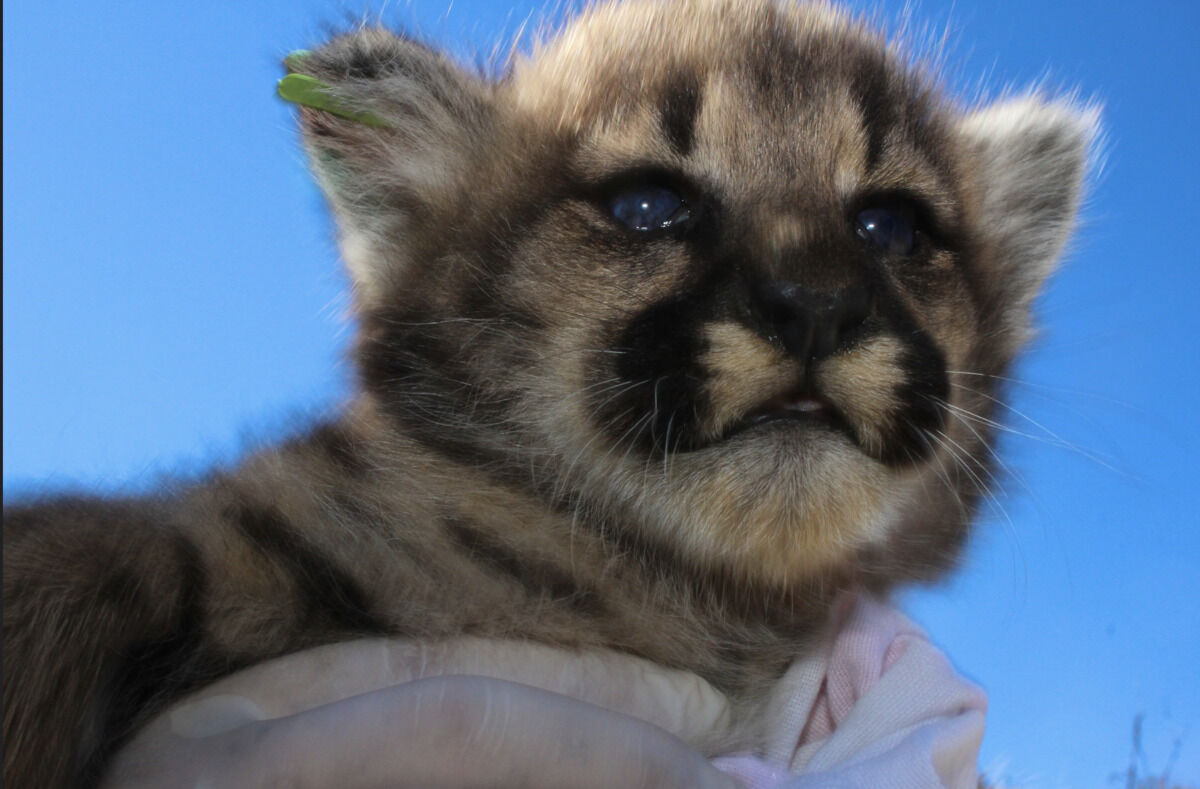
Mountain lion kitten P-67
A mountain lion struck terror in a Glendale neighborhood late Monday night (February 23, 2026), snatching and dragging away a 5½-year-old Shih Tzu named Declan just feet from his owner's front door. Nurse practitioner Laura McVay was walking the small dog on a leash when she felt a sudden "whoosh" and tug; despite her efforts, the cougar pulled Declan away into the darkness near the Verdugo Mountains foothills. The California Department of Fish and Wildlife is investigating the incident, urging residents to avoid walking pets between dusk and dawn in hilly areas.
McVay, devastated by the loss of her beloved companion, shared her story to warn others about the growing presence of mountain lions in suburban Southern California. The attack highlights increasing human-wildlife conflicts as big cats adapt to fragmented habitats, prompting renewed calls for pet safety measures and habitat connectivity solutions to reduce such encounters.
Coyote Chases Toddler in Pasadena Neighborhood
Surveillance footage from a Pasadena home captured a heart-stopping moment on February 23, 2026, when a large coyote chased a screaming 3-year-old toddler named Salvo Bessemer back into his house on Tamarac Drive. The boy had stepped outside toward the family car in broad daylight when the coyote emerged, pursuing him through the front yard and gate before the child escaped inside. Parents intervened quickly, and the toddler was unharmed, but the close call left the family shaken in a hilly neighborhood where coyote sightings are common.
The incident, which went viral, underscores the risks during coyote mating season (peaking in February), when animals become bolder in search of food and mates. Authorities advise residents to supervise young children outdoors, secure trash, and haze coyotes to discourage habituation-reminders that urban wildlife in Southern California demands vigilance to prevent escalation.
First Detection of Deadly Bird Flu (H5N1) in California Elephant Seals
An outbreak of highly pathogenic avian influenza (HPAI H5N1) has struck northern elephant seals in California for the first time, with seven weaned pups testing positive at Año Nuevo State Park and about 30 seals-mostly pups-dead since late last week as of February 25, 2026. Confirmed by UC Davis, UC Santa Cruz researchers, and federal labs, this marks the initial spillover of the virus to marine mammals in the state and the first recorded cases in northern elephant seals. Park officials canceled seal-watching tours to curb spread, amid intensified monitoring for potential impacts on nearby sea lions and other coastal species.
The event raises alarms following massive bird flu die-offs in Southern Hemisphere elephant seals, highlighting global concerns over avian influenza in wildlife. Scientists are tracking transmission risks while emphasizing that the virus poses low threat to humans but underscores the vulnerability of marine ecosystems to emerging diseases.
Man Sentenced for Feeding Alcohol to Juvenile Cooper's Hawk
A 25-year-old man from Watts, Cesar Gustavo Diaz, was sentenced this week to 45 days in Los Angeles County Jail, 12 months of probation, 20 days of community labor, and a 24-session animal cruelty counseling program after pleading no contest to misdemeanor animal cruelty. In June 2025, Diaz captured a juvenile Cooper's hawk-a protected species under federal and state law-at Amelia Mayberry Park in Whittier and force-fed it alcohol from a BuzzBallz cocktail, an act captured on video that surfaced online and prompted a California Department of Fish and Wildlife investigation.
The case serves as a stark reminder of wildlife protection laws and the harm caused by human interference with native animals. Diaz, already in custody on unrelated charges at the time of identification, also faces a five-year ban on possessing animals and a 10-year firearm prohibition, highlighting consequences for actions that endanger protected birds in Southern California.



Reader Comments(0)