
Community, Diversity, Sustainability and other Overused Words


Community, Diversity, Sustainability and other Overused Words
Newsom has responded dismissively to allegations of widespread fraud in California's Medi-Cal program, particularly involving hospice and daycare services.
Noting the large number of late model Maybach's and BMW's in the Van Nuys parking lot, Shirley said "this is the sound of fraud." Nick Shirley is just 23.
Noting the large number of late model Maybach's and BMW's in the Van Nuys parking lot, Shirley said "this is the sound of fraud." Nick Shirley is just 23.
California's Medi-Cal program, the state's version of Medicaid, has seen its spending more than double in recent years, jumping from $108 billion in the 2022-23 fiscal year to projected levels of $222 billion in 2026-27. The sharp rise has sparked widespread debate over the program's sustainability amid California's transition from budget surpluses to deficits.
Key drivers of the increase include a 19% rise in costs per enrollee, expansions that extended coverage to undocumented adults, and escalating expenses in pharmacy services and senior care. Enrollment has remained relatively stable, covering about 36% of California's roughly 39.5 million residents.Critics have pointed to potential fraud as a contributing factor, highlighting cases such as alleged hospice scams estimated at up to $3.5 billion in Los Angeles County alone. Independent investigator and YouTuber Nick Shirley has drawn significant attention to these issues through his recent on-the-ground exposé.
In a widely viewed video released in March 2026, Shirley documented what he described as suspicious hospice and daycare operations, including "ghost" facilities registered to empty lots or unrelated addresses. He tied these findings to the dramatic Medi-Cal spending surge, noting anomalies like a purported 1,000% increase in hospice care in Los Angeles County despite stable population growth.
Shirley's investigation alleged over $170 million in related fraud in California's daycare and hospice systems, echoing earlier claims and prompting renewed scrutiny from media outlets and officials.
'State officials attribute much of the cost growth to legitimate factors, such as higher per-person expenses and unanticipated enrollment pressures from program expansions. In response to the mounting fiscal strain, Governor Gavin Newsom has proposed measures to freeze new enrollments for undocumented adults in Medi-Cal, aiming to curb further budgetary pressure.
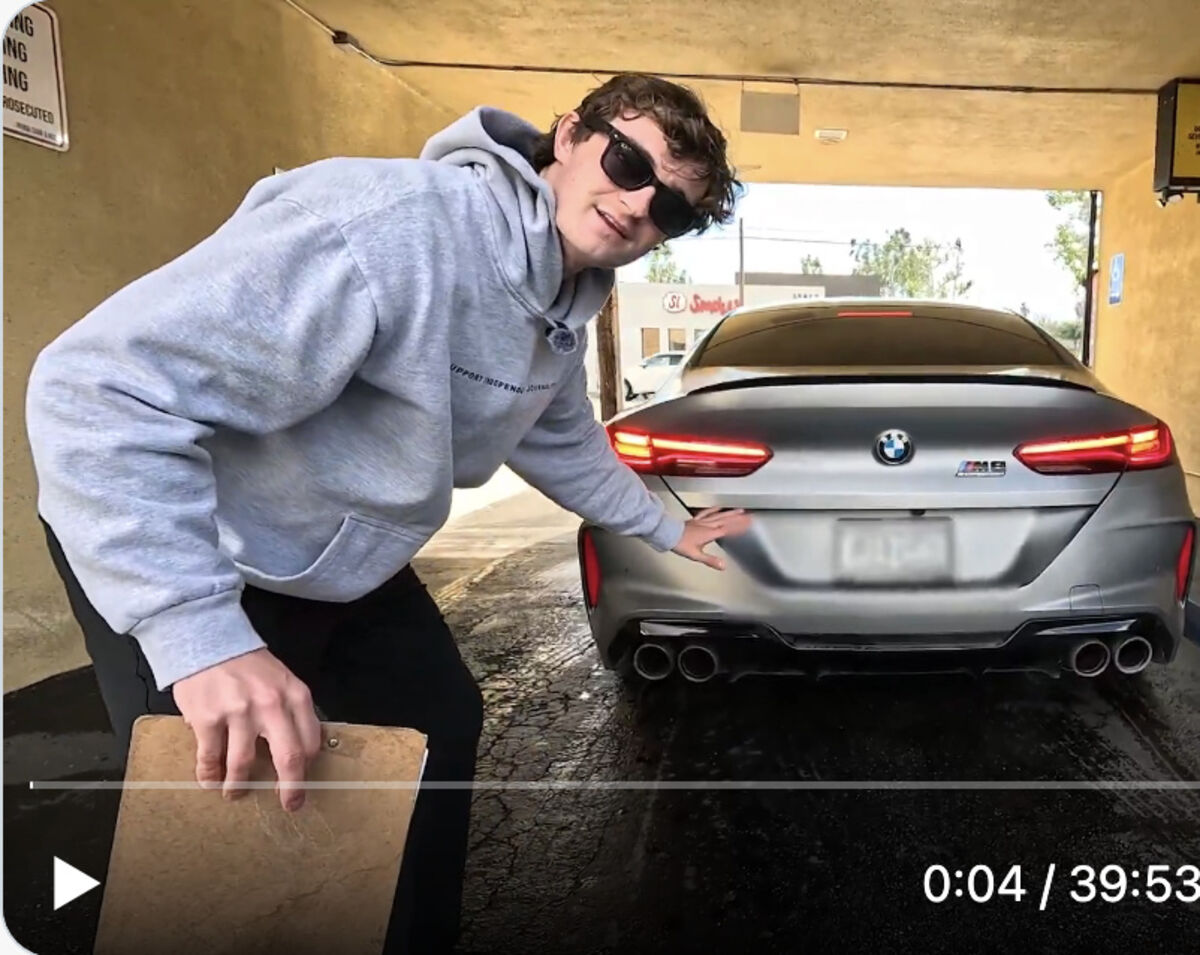
Noting the large number of late model Maybach's and BMW's in the Van Nuys parking lot, Shirley said "this is the sound of fraud." Nick Shirley is just 23.
The controversy underscores ongoing challenges in balancing expanded health coverage with program integrity, as fraud allegations-amplified by Shirley's fieldwork-continue to fuel calls for tighter oversight and reforms.
Governor Gavin Newsom's administration has responded dismissively to independent investigator Nick Shirley's allegations of widespread fraud in California's Medi-Cal program, particularly involving hospice and daycare services.
Rather than directly addressing Shirley's claims of over $170 million in suspected fraud-highlighted in his viral March 2026 YouTube exposé showing empty "ghost" facilities, suspicious addresses, and massive billing anomalies-Newsom's press office opted for mockery.
They posted a doctored image on social media depicting Shirley, covered in cameras, approaching a daycare with the caption: "Hey, can I see your kids?" The post appeared to portray him as intrusive or predatory, drawing sharp backlash from critics including podcaster Joe Rogan, who accused the governor of failing to do his job while attacking someone uncovering fraud.Shirley has pushed back strongly, calling the response an attempt to intimidate whistleblowers and others from exposing deep-rooted issues. He argued that any governor should welcome such revelations to crack down on waste, instead of targeting the messenger.
In interviews, he labeled Newsom's approach "disgusting" and suggested it could incite harm against him, while accusing the administration of effectively supporting fraudsters by deflecting scrutiny.State officials, including references to Newsom's prior statements, have emphasized ongoing efforts against fraud, such as a 2021 moratorium on new hospice licenses that shuttered hundreds of providers and proactive collaboration with federal authorities. However, no specific rebuttal or investigation announcement tied directly to Shirley's fieldwork has been detailed publicly. The exchange has amplified calls for greater accountability amid California's ballooning Medi-Cal costs and persistent deficit pressures.
The controversy continues to fuel partisan debate, with Shirley's supporters viewing the press office's meme as evasive, while administration allies frame it as a defense against sensationalized claims. As of March 23, 2026, no further official policy shifts or direct engagements from Newsom himself on Shirley's specific allegations have been reported.



Reader Comments(0)