
Community, Diversity, Sustainability and other Overused Words


Community, Diversity, Sustainability and other Overused Words
a bypass canal-an engineering marvel that would connect the Persian Gulf directly to the Gulf of Oman or Arabian Sea, rendering Iran's position far less decisive.
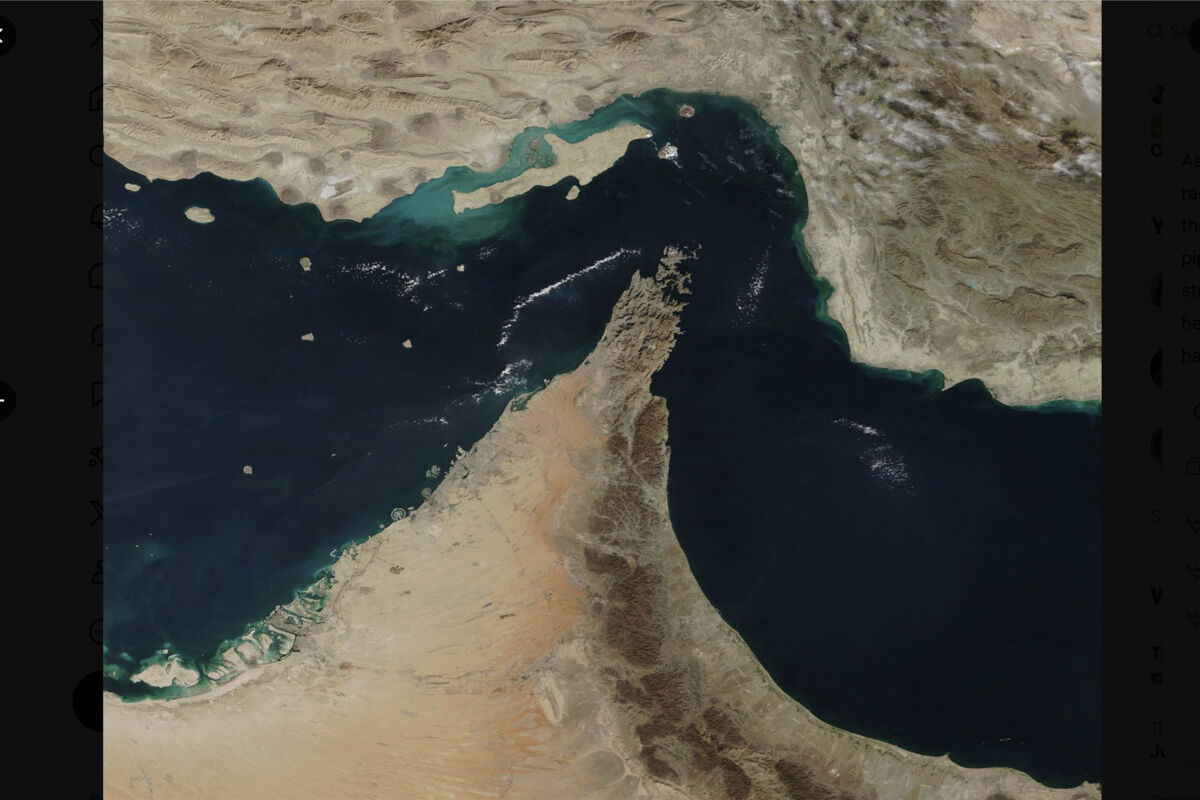
The Strait of Hormuz, a slender passage between Iran and Oman measuring just 21–33 miles at its narrowest, has long served as the world's premier energy artery.
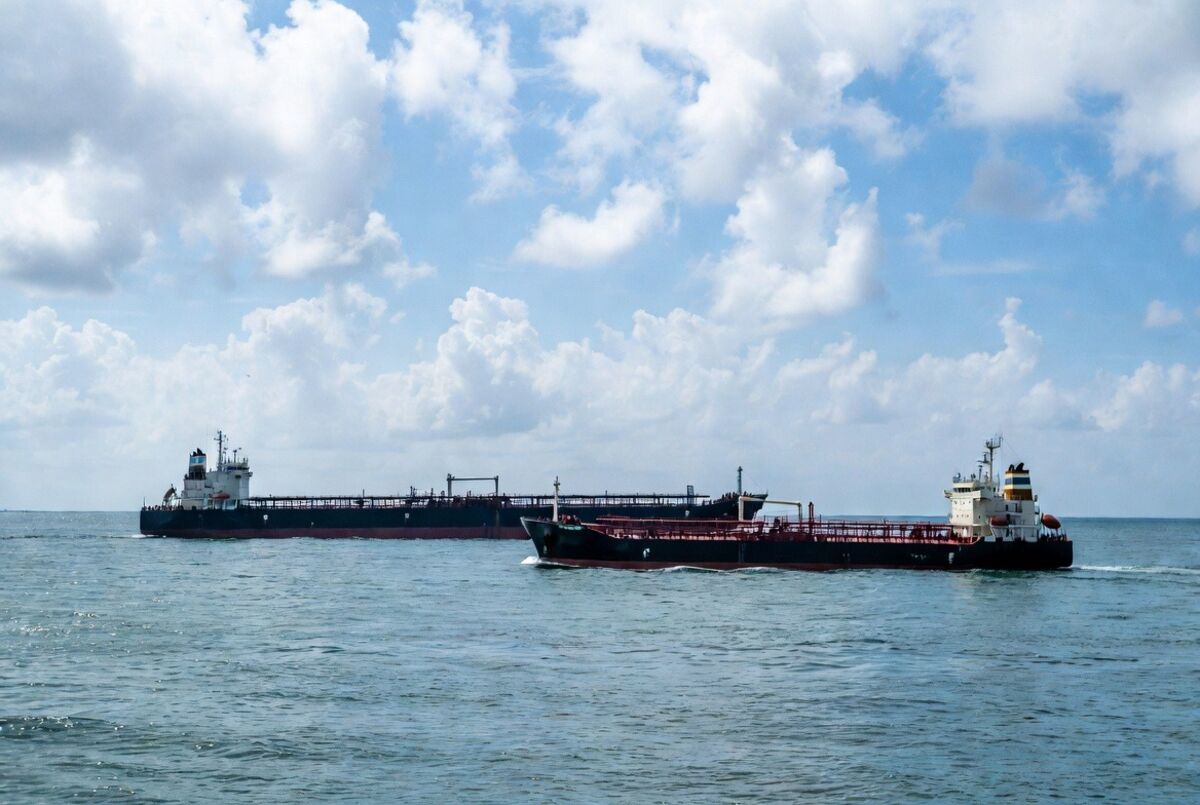
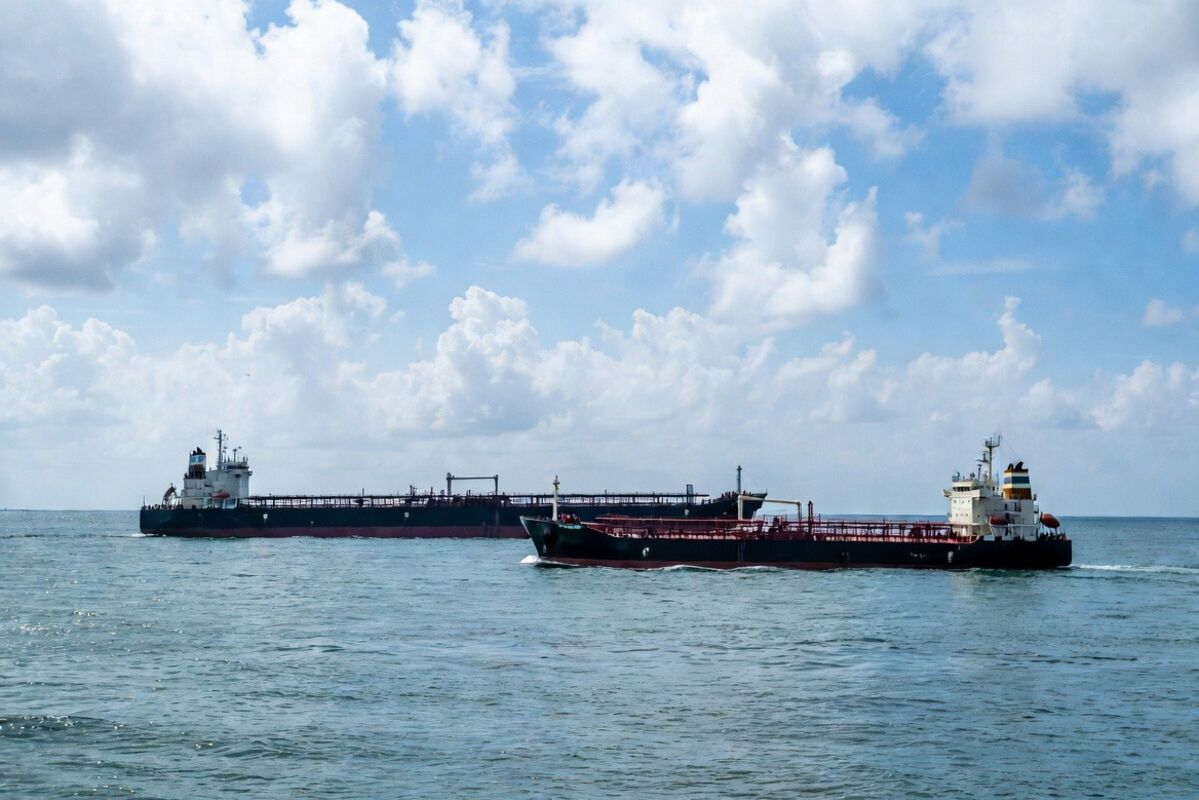
Roughly 20% of global petroleum liquids and a significant share of liquefied natural gas (LNG) flow through it daily, primarily from Saudi Arabia, the UAE, Qatar, and Iraq en route to Asia.
April 10, 2026: As the Strait of Hormuz remains a flashpoint amid the 2026 Iran conflict-with shipping heavily restricted since late February and global energy prices spiking-Gulf nations are reviving bold proposals for a massive artificial waterway that could permanently sidestep the narrow chokepoint controlled by Iran.
The Strait of Hormuz, a slender passage between Iran and Oman measuring just 21–33 miles at its narrowest, has long served as the world's premier energy artery. Roughly 20% of global petroleum liquids and a significant share of liquefied natural gas (LNG) flow through it daily, primarily from Saudi Arabia, the UAE, Qatar, and Iraq en route to Asia. Its strategic vulnerability has been exploited repeatedly in conflicts, from the 1980s "Tanker War" during the Iran-Iraq conflict-where hundreds of vessels were attacked-to periodic Iranian threats during sanctions and nuclear tensions.
Geologically ancient, shaped by tectonic collisions millions of years ago and flooded after the last Ice Age, the strait evolved from a Bronze Age trade route linking Mesopotamia and the Indus Valley into a colonial prize fought over by Portuguese, Persians, and British forces. Oil discovery in the early 20th century cemented its modern role, but its geography has always handed leverage to whoever dominates its shores-today, primarily Iran on the northern side.
Roughly 20% of global petroleum liquids and a significant share of liquefied natural gas (LNG) flow through it daily, primarily from Saudi Arabia, the UAE, Qatar, and Iraq en route to Asia.
The latest crisis, triggered by U.S.-Israeli military action against Iran in February 2026 (including strikes that killed Supreme Leader Ali Khamenei), saw Iran retaliate by disrupting and largely blocking tanker traffic. Attacks on vessels, mine threats, and demands for "permissions" or tolls have stranded ships, halted much of the flow, and sent oil prices surging, with ripple effects on global GDP and energy security. Partial ceasefires have brought limited relief, but uncertainty lingers.
In response, discussions have intensified around a bypass canal-an engineering marvel that would connect the Persian Gulf directly to the Gulf of Oman or Arabian Sea, rendering Iran's position far less decisive.
The most prominent idea traces back to a 2008 report of Dubai considering a roughly 180-km (112-mile) "mega-canal" from the Gulf coast near Dubai to the port of Fujairah on the Gulf of Oman side. The project, dubbed the "Arabian Canal," would slice through the rugged Hajar Mountains, requiring enormous locks to manage elevation changes and handle supertankers. Estimated costs at the time hovered around $200 billion, with the explicit aim of diminishing Iran's chokehold on regional oil exports.
Variations include a shorter but equally daunting route across Oman's Musandam Peninsula-sometimes called the "Musandam Canal"-potentially as short as 40–100 km in conceptual designs. This would carve through limestone peaks rising nearly 2,000 meters, demanding excavation volumes dwarfing the Panama Canal. Recent commentary amid the 2026 disruptions has floated price tags from $100 billion to $300 billion or more, with some analysts and social media discussions framing it as a "Gulf Suez Canal" that could reshape global shipping.
Proponents argue it would provide permanent strategic independence for Gulf exporters, boost new ports and industrial zones, and neutralize threats from mines, missiles, or blockades. However, experts highlight massive hurdles: extreme terrain, astronomical construction and maintenance costs, potential new vulnerabilities (a canal could itself become a target), and the need for international cooperation across borders.For now, more feasible alternatives are being fast-tracked. The UAE's Habshan–Fujairah pipeline (operational since 2012, capacity around 1.5–1.8 million barrels per day) already diverts significant Abu Dhabi crude to the Gulf of Oman. Saudi Arabia's East-West Petroline to Yanbu on the Red Sea offers another outlet, with calls to expand both amid the crisis. These pipelines, while not a full replacement for the strait's volume, have helped mitigate some immediate pain by rerouting oil away from Iranian-controlled waters.
cnbc.com
Whether a full-scale canal ever materializes remains uncertain-many view it as a long-shot megaproject better suited to headlines than blueprints. Yet the 2026 disruptions have lent fresh urgency to the debate, underscoring a centuries-old truth: control of the Strait of Hormuz has always carried outsized global consequences, and nations downstream are increasingly determined not to remain at its mercy.As one analyst noted in recent coverage, the real race may be less about carving new sea lanes through mountains and more about rapidly scaling pipelines and overland corridors to make the strait strategically irrelevant. For a world economy still heavily dependent on Gulf energy, the stakes could hardly be higher.


Reader Comments(0)