
Community, Diversity, Sustainability and other Overused Words


Community, Diversity, Sustainability and other Overused Words
"UN agencies systematically facilitated mass migration into America and Europe, even as citizens of these nations called for restrictions on migration."
US Accuses UN of Facilitating Replacement Migration Into Europe and America; Refuses to Implement "2018 Global Compact for Safe, Orderly and Regular Migration"
Washington, D.C. - The United States has formally refused to participate in the United Nations' International Migration Review Forum and rejected its latest declaration, accusing UN agencies of actively promoting "replacement migration" into the United States and Western European nations.
In a detailed thread posted on X (formerly Twitter) on Monday, the U.S. State Department outlined its objections to the 2018 Global Compact for Safe, Orderly and Regular Migration - a non-binding agreement - and broader UN efforts on migration. The department stated that the U.S. will not legitimize frameworks it views as enabling mass migration at the expense of national sovereignty and public safety.
"The United States objects to the Global Compact on Migration and UN efforts to facilitate replacement migration to the United States and our Western allies," the State Department said. It further announced that, under President Trump, the department will prioritize "remigration - not replacement migration."
Allegations of UN-Facilitated Migration Corridors
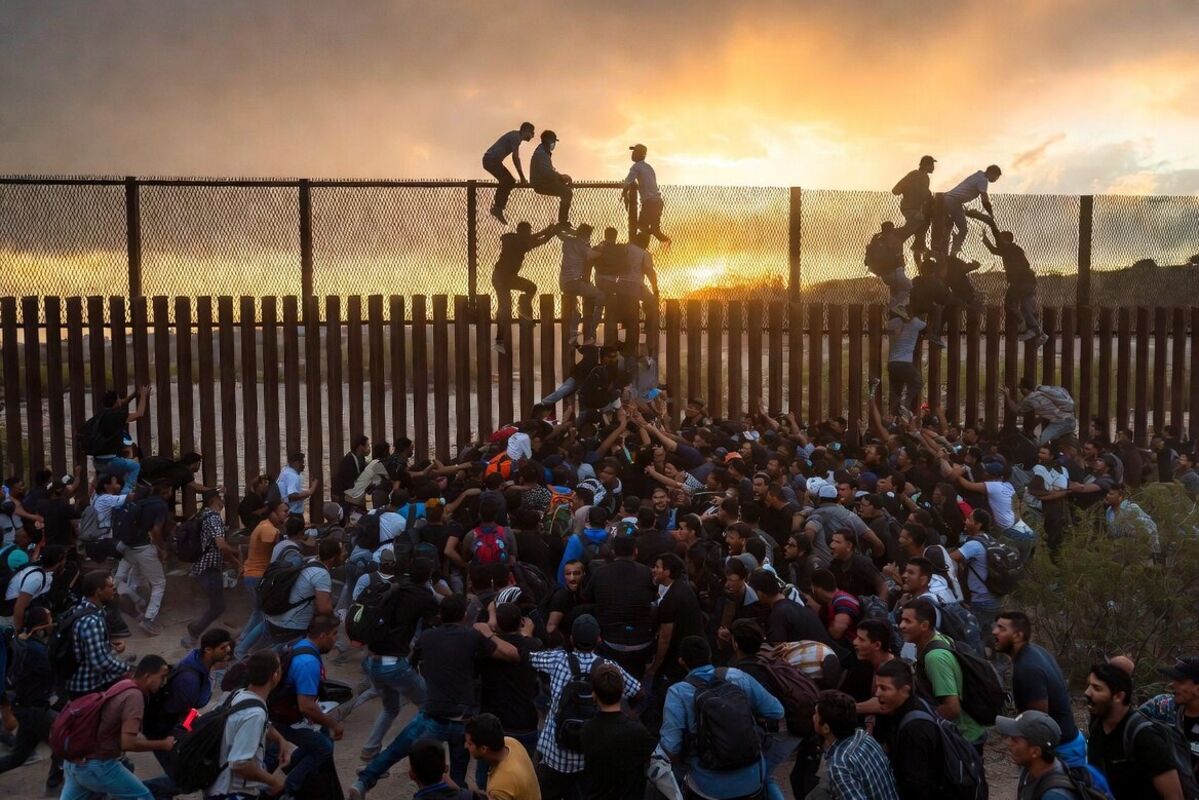
The statement accuses UN agencies and funded NGOs of playing a direct role in organizing large-scale migration flows. According to the department:UN entities helped establish a migration corridor through Central America and the Darién Gap to the U.S. southern border, with officials greeting migrants and NGOs distributing maps along the route.
As Europe faced migratory pressures, UN officials operated along Mediterranean routes from Libya to Greece and condemned European nations attempting to control their borders.
"UN agencies – working with the NGOs they fund – established a migration corridor through Central America and to the U.S. border. As the American people suffered under an unprecedented wave of mass migration, the UN was on the ground pipelining migrants to our southern border."
The UN criticized deportation efforts by the United States and allies, including lobbying against UK deportation flights.
The department highlighted the Global Compact's latest report, which urges expanded migration pathways and "regularization" of migrants, as further evidence of an agenda that conflicts with the interests of Western citizens. It argued that mass migration has introduced security threats, strained public finances, and undermined social cohesion.
Context and Background
The International Migration Review Forum, held May 5-8, 2026, at UN headquarters in New York, reviewed progress on the Global Compact. The U.S. did not attend and will not support the May 8 "progress" declaration.
The Global Compact, adopted in 2018, is a non-binding framework intended to foster international cooperation on migration. Previous U.S. administrations under Trump had also distanced themselves from it. The current rejection aligns with the administration's broader immigration enforcement priorities, including heightened focus on deportations and border security.
UN officials and supporters maintain that the Compact promotes safe, orderly, and humane migration while respecting national sovereignty and addressing root causes in origin countries. However, critics have long viewed it as an attempt to internationalize migration policy and pressure Western nations into accepting higher inflows.
Reactions and Implications
The announcement has drawn strong support from immigration restrictionists and America First advocates, many of whom called for full U.S. withdrawal from the United Nations. Others expressed hope that the stance signals a decisive shift toward prioritizing American citizens and remigration policies.
The move underscores ongoing tensions between national sovereignty and global governance on migration - a flashpoint that has intensified in recent years amid record border encounters and public backlash in both the U.S. and Europe.

Reader Comments(0)