
Community, Diversity, Sustainability and other Overused Words


Community, Diversity, Sustainability and other Overused Words
Universal mail-in ballots sent to every registered voter, with acceptance windows stretching days after Election Day. Ballot harvesting (legal here, restricted or banned elsewhere), allowing third parties to collect and deliver ballots.
Universal mail-in ballots sent to every registered voter, with acceptance windows stretching days after Election Day. Ballot harvesting (legal here, restricted or banned elsewhere), allowing third parties to collect and deliver ballots.
After Pratt vs. Raman: California's Ballot Laws Have Become a National Punchline
In the bruising June 2 Los Angeles mayoral primary, reality TV star Spencer Pratt started Election Night in strong second place behind incumbent Karen Bass. Then the mail ballots rolled in. Day after day, progressive City Councilmember Nithya Raman chipped away at his lead, eventually surging past him to claim the runoff spot against Bass. What should have been a quirky local contest featuring a Hills alum quickly morphed into Exhibit A for critics of California's election system.
Conservative media didn't waste the opportunity. The slow-motion reversal became prime fodder for mockery, with headlines and segments painting Sacramento's rules as a clown show designed for maximum drama and minimum transparency.Fox News highlighted the absurdity of results trickling in nearly a week later. One segment featured commentators calling California's process "designed for slowness," complete with graphics showing Pratt's early lead evaporating as urban mail ballots favored Raman. "This is why no one takes California elections seriously," hosts quipped, framing it as ballot harvesting and universal mail-in voting on steroids.
Wall Street Journal's Potomac Watch podcast devoted airtime to the saga, with hosts noting Pratt's position "steadily eroded" by late-counted ballots. They portrayed it as emblematic of a state where outcomes feel predetermined once the "right" ballots surface.
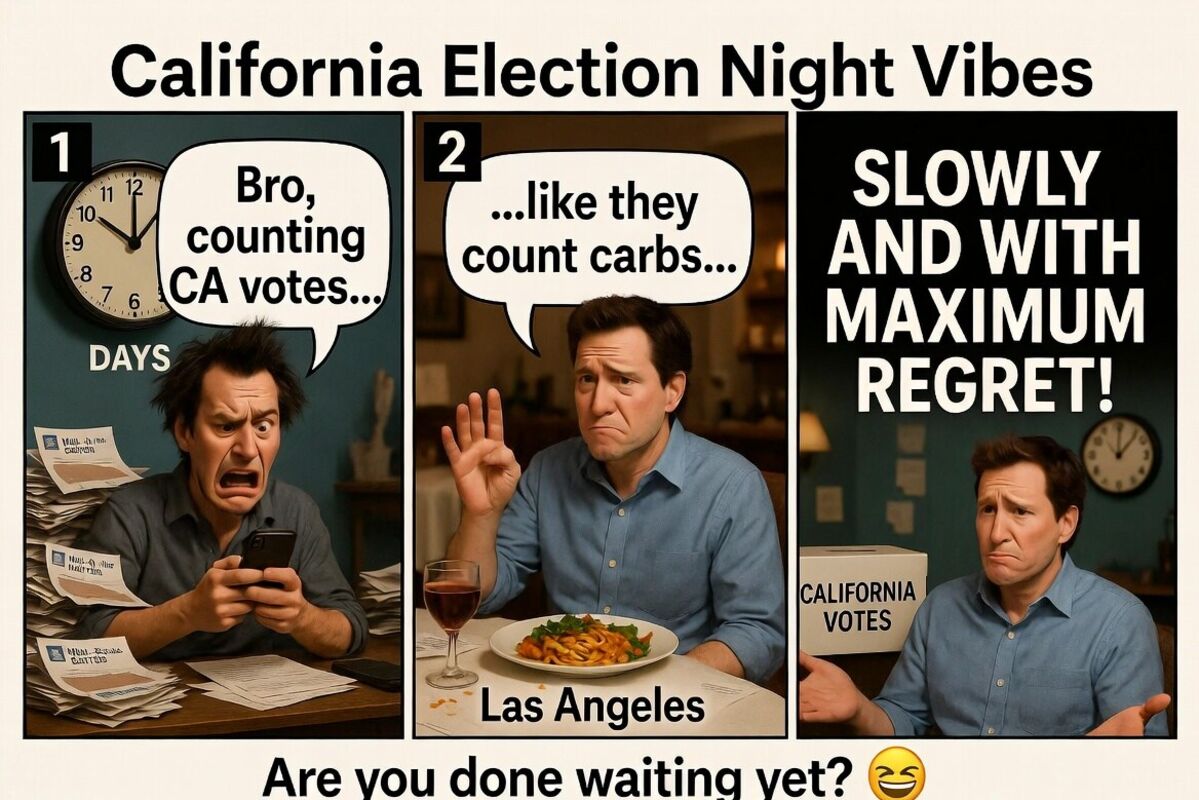
Social media and opinion writers amplified the ridicule. Memes flooded X showing confused voters staring at endless vote dumps, captioned variations of "California: Where the count never ends until the preferred candidate wins." Robby Starbuck and others posted graphs of ballot drops where Raman dominated new tallies, asking why Election Day favored Pratt but every subsequent update reversed it. Pratt himself fueled the fire with posts questioning the system, turning his campaign into a viral complaint about "rigged" late counting.
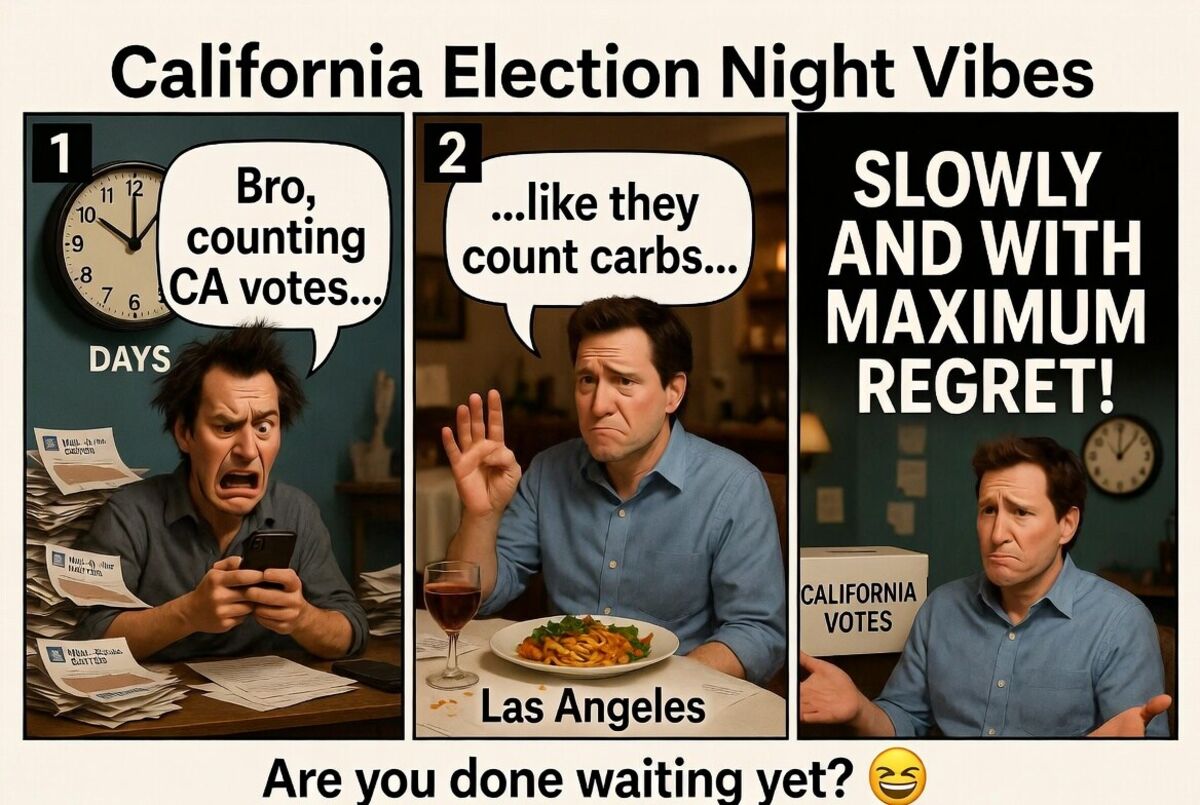
After Pratt vs. Raman: California's Ballot Laws Have Become a National Punchline
Even broader conservative voices joined in. President Trump had pre-emptively warned about California's "dishonest" mail-in system. Post-primary, outlets like Breitbart and talk radio framed the Pratt-to-Raman flip as validation: another example of blue-state rules that reward last-minute urban surges while leaving everyone else waiting and wondering. Comparisons to past cycles-where leads mysteriously evaporated-were inevitable. "California elections: now a national comedy routine," one popular conservative commentator posted.
Why It Resonates NationallyCritics argue California's laws stack the deck:
Universal mail-in ballots sent to every registered voter, with acceptance windows stretching days after Election Day. Ballot harvesting (legal here, restricted or banned elsewhere), allowing third parties to collect and deliver ballots. Signature verification without strict ID requirements in many places, plus extended "cure" periods. A counting process that routinely takes a week or more, turning Election Night into Election Fortnight.
To defenders, this expands access and reflects real turnout patterns-Democrats and progressives more likely to vote by mail. To detractors, it creates an opaque system ripe for skepticism, where "finding" votes until the desired result emerges looks suspicious even if no widespread fraud is proven. The optics, they say, are terrible-and the Pratt-Raman race provided perfect visuals.
The national punchline writes itself: In most states, you know the winner by breakfast. In California, voters get a slow-motion reality show where the underdog can become the frontrunner long after polls close. Pratt's celebrity-fueled insurgency made it especially meme-worthy-a Hills villain almost toppling the establishment, only to be overtaken by bureaucratic inertia (or, as critics claim, something worse).Whether you view this as legitimate democratic process or electoral theater, one thing is clear: California's ballot laws are no longer just a state issue. They've become a reliable punchline for the rest of the country watching the spectacle unfold. As another cycle approaches, expect the jokes-and the calls for reform-to keep coming.



Reader Comments(0)