
Community, Diversity, Sustainability and other Overused Words


Community, Diversity, Sustainability and other Overused Words
This was the first total solar eclipse visible from mainland Spain since 1905 and the first to cross mainland Europe since 1999
Total Eclipse Reaches Leon Spain
Total Eclipse Reaches Leon Spain
This was the first total solar eclipse visible from mainland Spain since 1905 and the first to cross mainland Europe since 1999
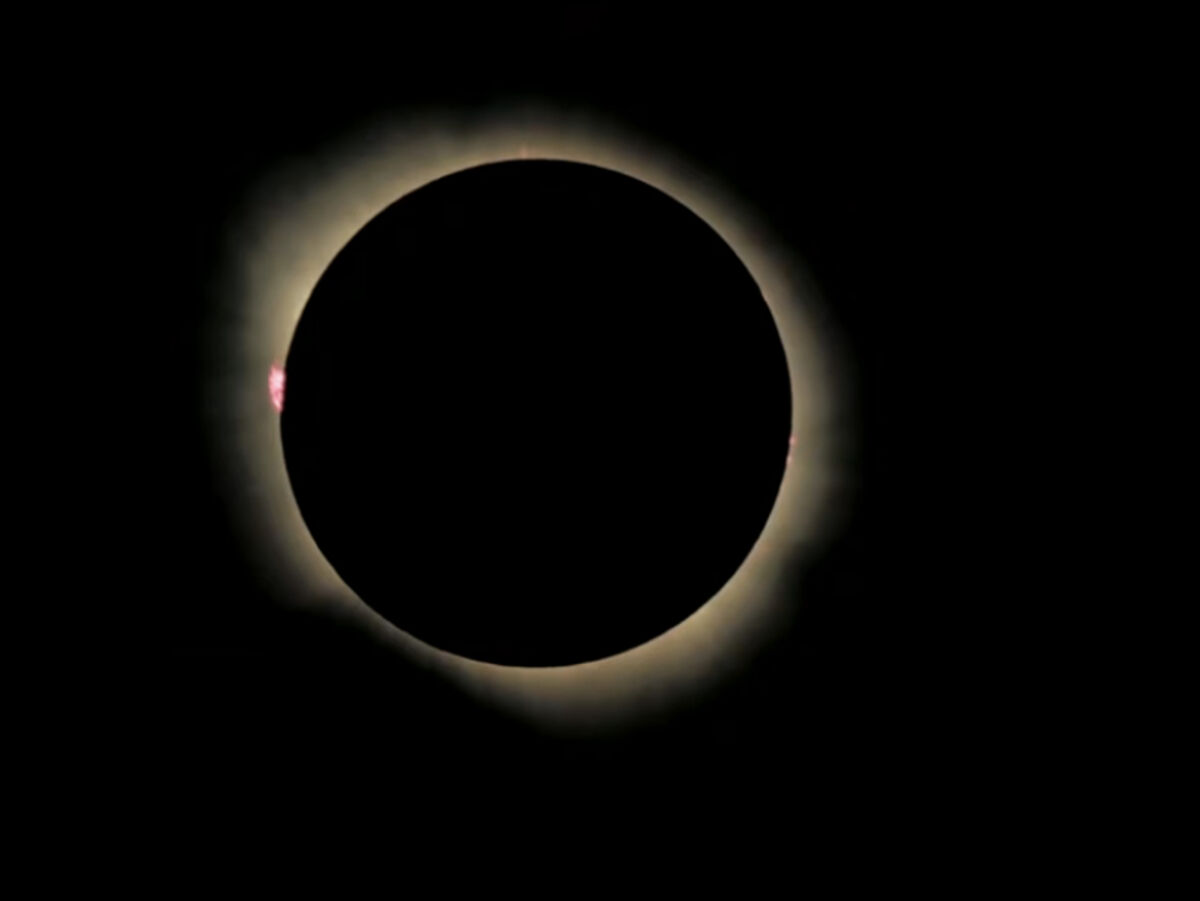
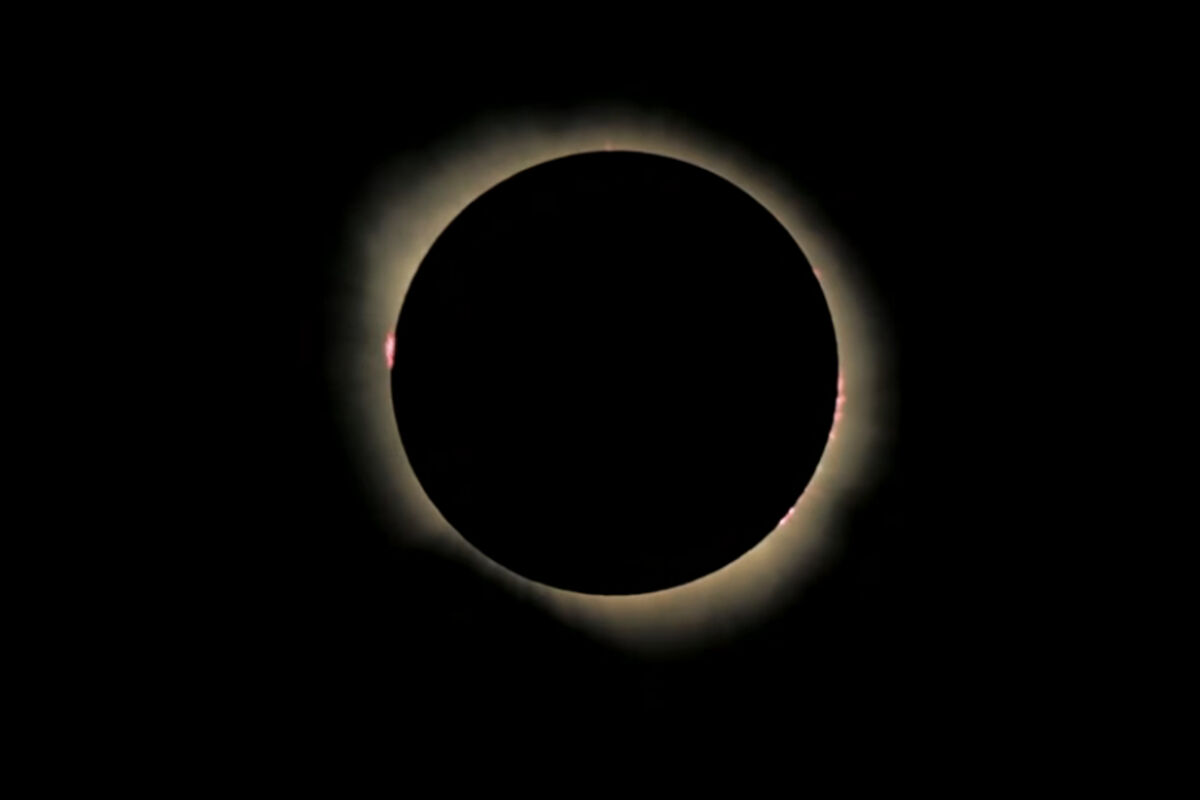
**LEÓN, Spain** - Crowds gathered across northern Spain on Wednesday evening as a total solar eclipse swept over León, briefly turning day into twilight and revealing the sun's shimmering corona just before sunset.
The moon's shadow reached the city around 8:28 p.m. local time (CEST), with totality lasting approximately 1 minute and 45 seconds. Partial phases began near 7:32 p.m., peaked at maximum eclipse around 8:29 p.m., and concluded about 9:22 p.m. At the height of totality the sun sat roughly 9–10 degrees above the western horizon, creating a dramatic low-angle spectacle for observers with clear views.
Total Eclipse Reaches Leon Spain
This was the first total solar eclipse visible from mainland Spain since 1905 and the first to cross mainland Europe since 1999. The path of totality stretched from the Arctic and Greenland, across Iceland and the North Atlantic, through northern Spain (including León, Zaragoza, Valencia and parts of the Balearic Islands) and a small corner of Portugal before ending over the Mediterranean at sunset. Greatest duration worldwide reached about 2 minutes 18 seconds off the western coast of Iceland. Much of Europe, northwestern Africa, Canada and parts of the northern United States saw only a partial eclipse.
In León, the European Space Agency (ESA), the city council and the University of León hosted a free public event at the Palacio de Exposiciones y Congresos. Daytime workshops and interactive activities ran in the morning, followed by an outdoor evening program with expert commentary guiding visitors through each phase of the eclipse. Certified eclipse glasses were distributed, and the program continued past totality with connections to live broadcasts.
This was the first total solar eclipse visible from mainland Spain since 1905 and the first to cross mainland Europe since 1999
ESA also streamed the event live from the Observatorio Astrofísico de Javalambre in Teruel, offering views and scientific explanation for audiences unable to travel to the path of totality. Local astronomy groups and regional authorities had prepared viewing sites across the province of León and Castilla y León, emphasizing safe observation practices-eclipse glasses or proper solar filters for all partial phases, with naked-eye viewing only during the brief total phase.
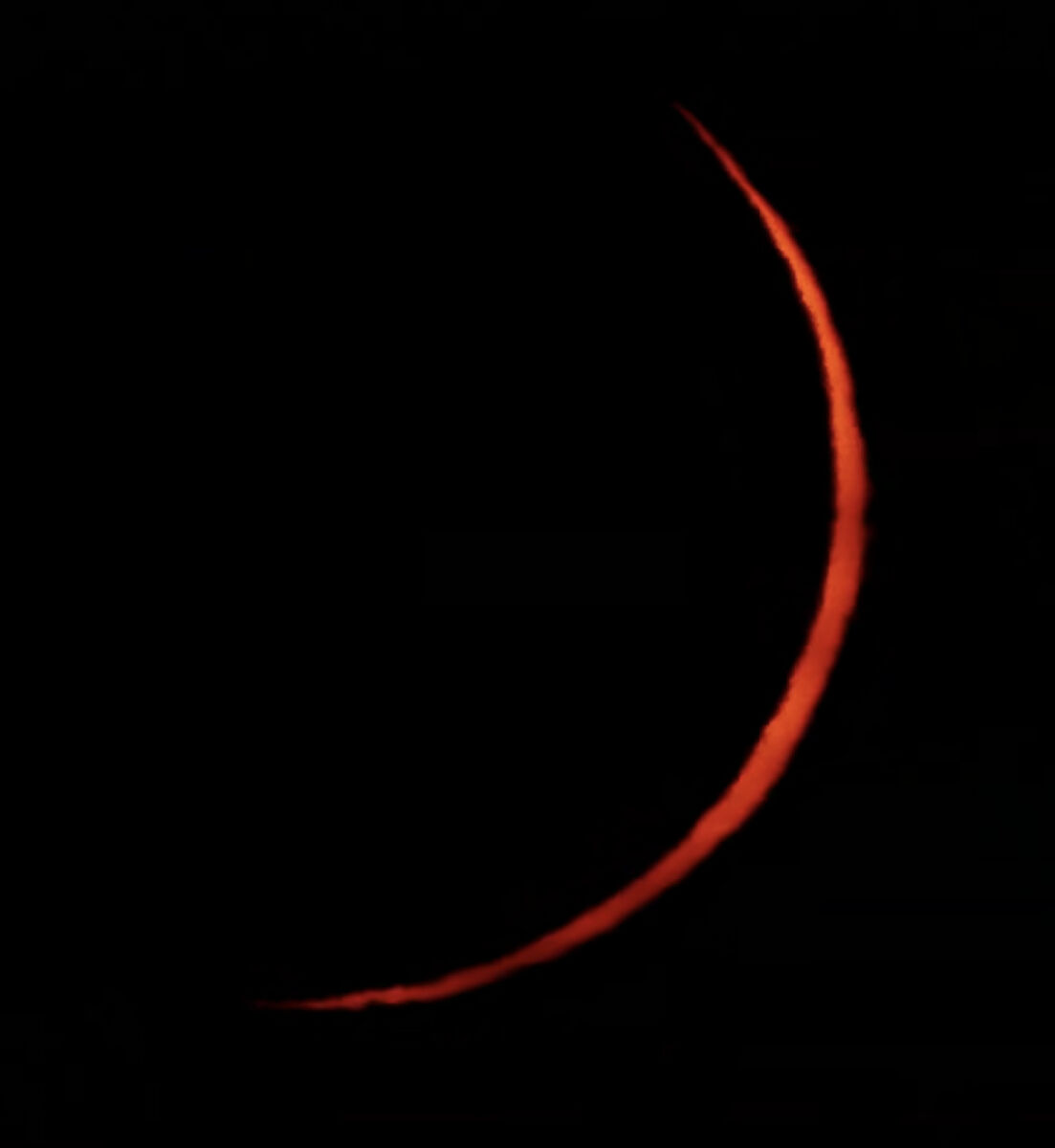
As the moon fully covered the sun, temperatures dropped slightly, birds quieted, and the sky darkened enough for brighter stars and planets to appear near the horizon. The solar corona, the sun's outer atmosphere normally hidden by glare, became visible as a glowing halo. Shortly afterward the sun re-emerged, and the partial phases continued until near sunset.
The eclipse formed part of a rare sequence for Spain: another total solar eclipse is expected in 2027 across the south of the country, followed by an annular eclipse in 2028. For one evening in León, however, the focus remained on the fleeting minutes of darkness that drew residents, tourists and scientists together under a briefly blackened sky.



Reader Comments(0)