
Community, Diversity, Sustainability and other Overused Words


Community, Diversity, Sustainability and other Overused Words
The FAA lifted a rare nationwide ground stop Friday evening after a roughly four-hour halt to all departing U.S. flights triggered by a telecommunications failure affecting air traffic control systems.
FAA Lifts Groundstop Nationwide Friday at All US Airports
FAA Lifts Groundstop Nationwide Friday at All US Airports
Issued around 3:54 p.m. ET by the Air Traffic Control System Command Center under "extraordinary circumstances and for reasons of safety," the order held all departing traffic while allowing airborne flights to continue landing. It was canceled around 8:15–8:19 p.m. ET, marking only the second full nationwide ground stop since the September 11, 2001, attacks (the prior one was a roughly 90-minute NOTAM system failure in January 2023).[](
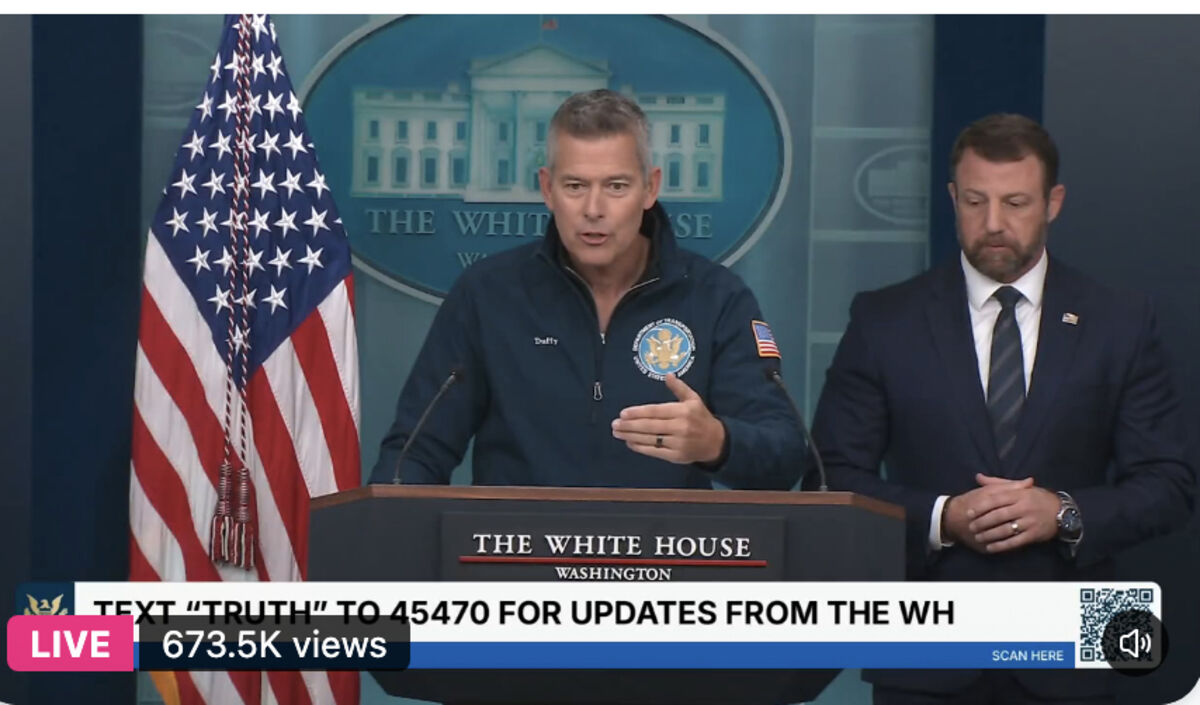
Transportation Secretary Sean Duffy announced the initial order on X, stating that the FAA had issued the nationwide ground stop "following a communication issue impacting all Air Route Traffic Control Centers" and that technicians were investigating. Later Friday night, Duffy attributed the outage to switches and routers on a legacy network that became overloaded with data, began providing inconsistent information, and shut down. He described the air traffic control system as "incredibly old" and noted that some routers had already been replaced during modernization efforts, but remaining older hardware failed. Homeland Security Secretary Markwayne Mullin confirmed there was no indication of a "nefarious act" or cyberattack, describing it as a telecommunications outage; officials said every flight was accounted for and there was no public safety threat. The FAA described it as a temporary telecommunications outage handled out of an abundance of caution.[](
FAA Lifts Groundstop Nationwide Friday at All US Airports
Air Route Traffic Control Centers (ARTCCs) manage en-route, high-altitude traffic across the National Airspace System; the U.S. operates 22 such facilities. The disruption affected communications, radios, and related systems across multiple or all centers. At the time of the order, roughly 4,000 flights were airborne and bound for U.S. airports (Flightradar24 reported 4,042); Duffy later cited over 3,500. These aircraft were permitted to continue and land under existing procedures.[](
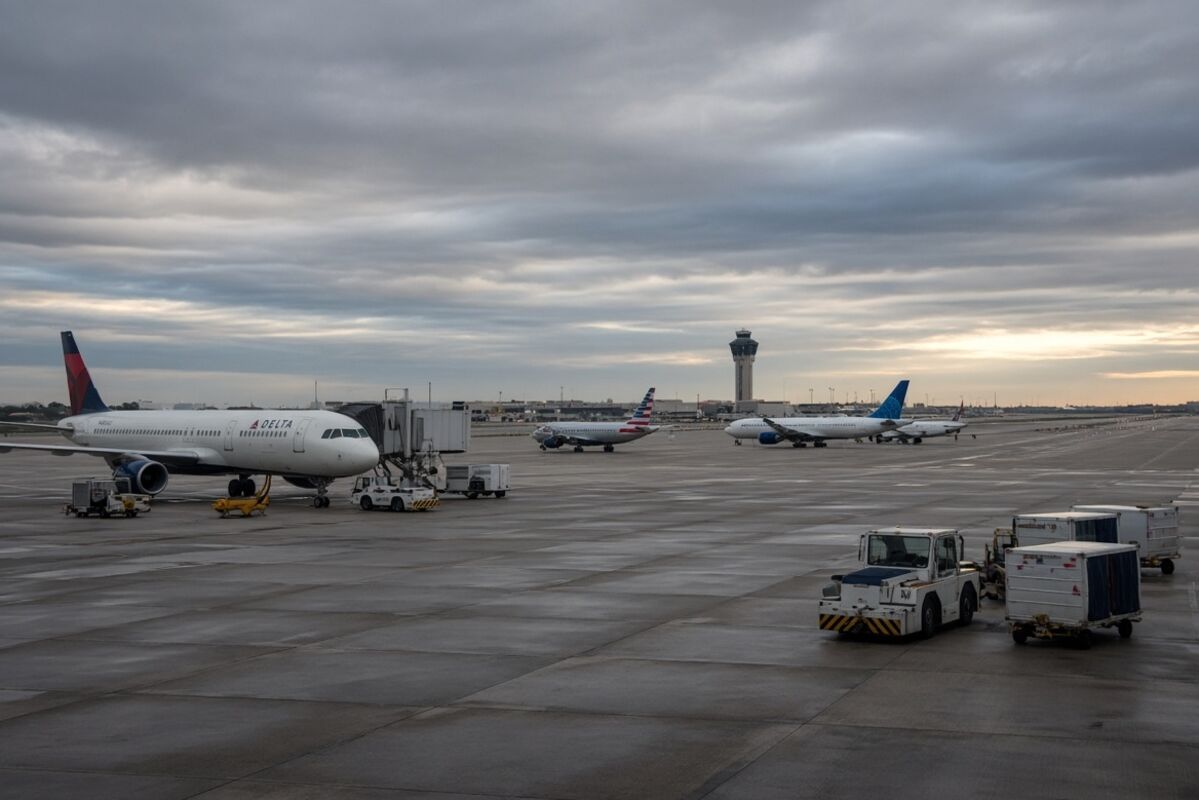
The stop produced widespread disruption. Flight-tracking data showed thousands of delays and cancellations-reports ranged from roughly 9,800–11,000 delays and 1,000–5,000+ cancellations within, into, or out of the U.S. (figures from FlightAware and similar trackers include the full day and varied by update time). Hundreds of flights were diverted (estimates of 600–800+), major airports including Chicago O'Hare, Atlanta, New York-area facilities, and others saw cascading effects, and airlines issued travel waivers. Recovery is expected to take many hours as aircraft and crews are repositioned; some cancellations were already reported for Saturday. Inbound international flights were managed case-by-case throughout, with some departures allowed as conditions improved.[](
This was a developing situation that officials said was resolved for departures by late evening, though normal operations will take longer to restore. Passengers are advised to check directly with airlines for flight status. The event underscores longstanding concerns about aging air traffic control infrastructure, which Duffy and others have linked to the need for comprehensive modernization.




Reader Comments(0)