
Community, Diversity, Sustainability and other Overused Words


Community, Diversity, Sustainability and other Overused Words
Santa Monica "moved from earlier competitive processes and public statements about an open process into exclusive talks with one private operator without first giving other qualified parties a meaningful chance to compete."
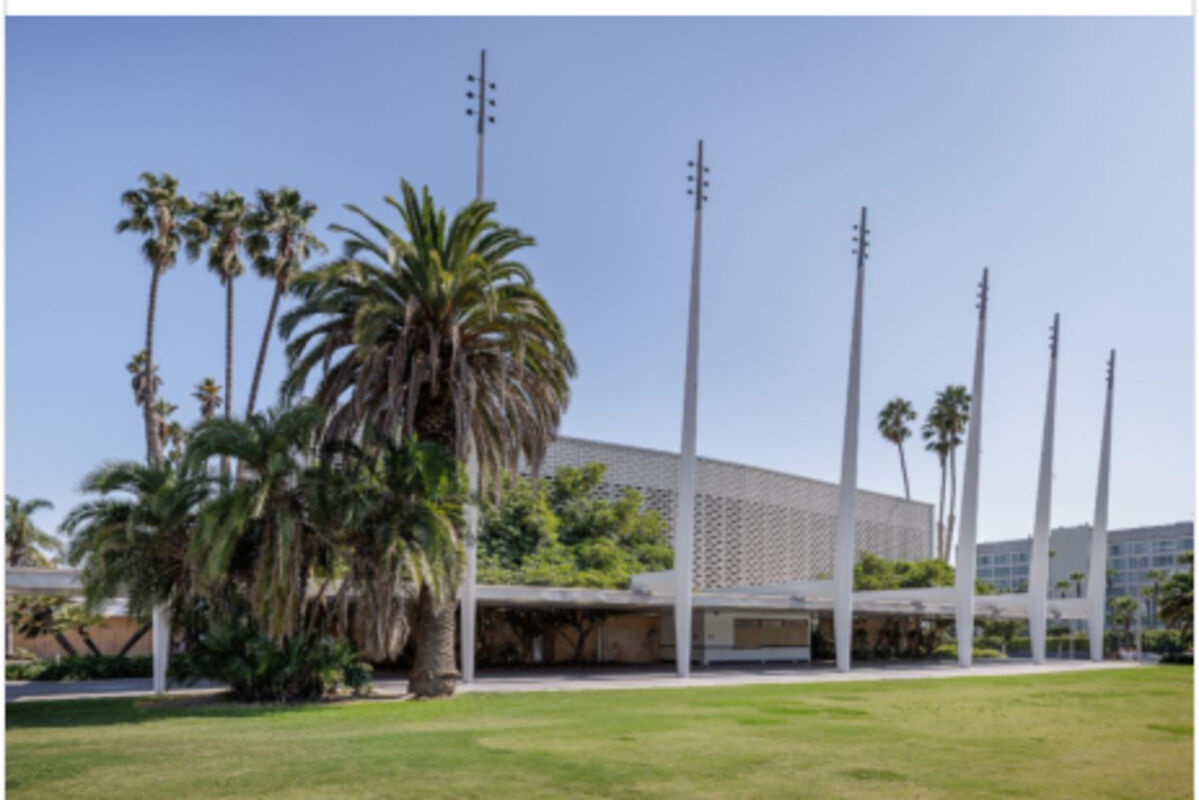
The Santa Monica Civic Auditorium in 2023.
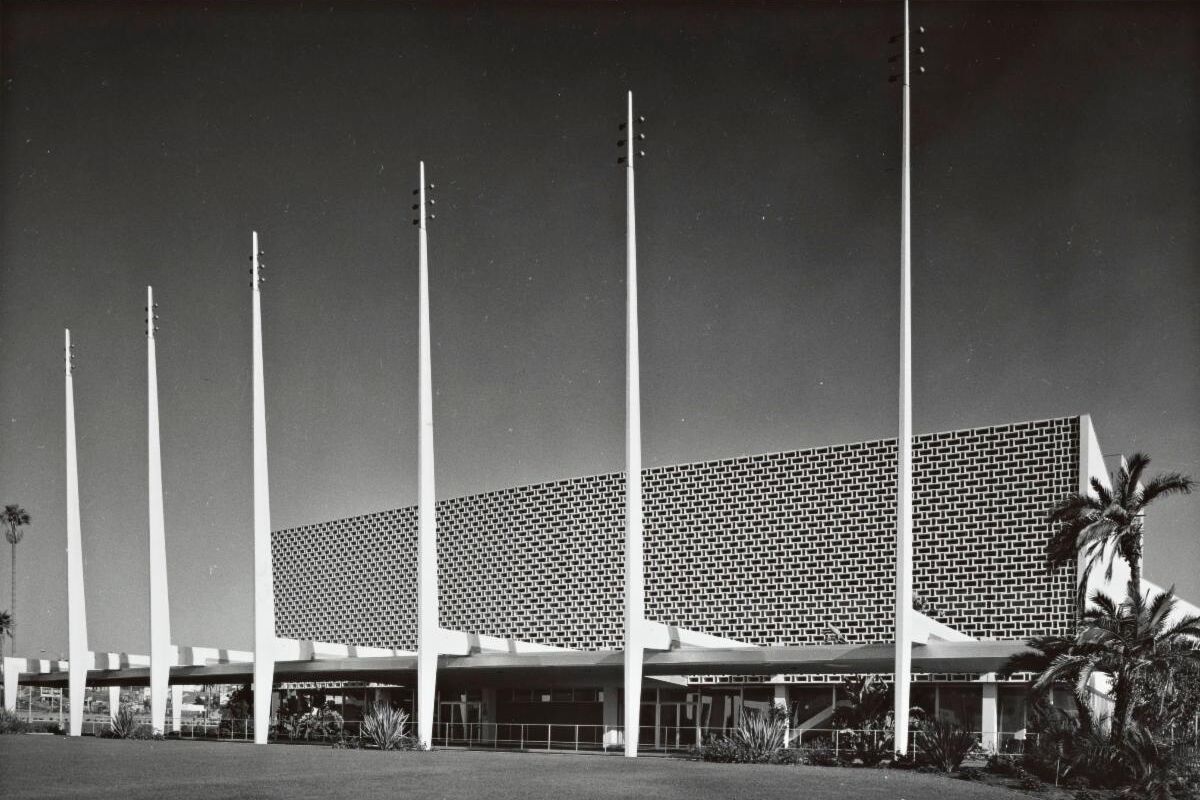
The Santa Monica Civic Auditorium in 1958.
A newly filed Los Angeles Superior Court case asks a judge to examine how the City of Santa Monica moved into exclusive negotiations with AEG Presents and its Goldenvoice subsidiary over the long-shuttered Civic Auditorium.
Joseph DiRosa, a local entrepreneur who has promoted a competing conference-center concept for the site, is the petitioner in DiRosa v. City of Santa Monica, Case No. 26SMCP00435, filed in the Santa Monica Courthouse. In a press packet circulated this week, DiRosa says the case is not simply a bid to have his proposal selected. He argues the city moved from earlier competitive processes and public statements about an open process into exclusive talks with one private operator without first giving other qualified parties a meaningful chance to compete.
The petition, as described by DiRosa, raises questions about municipal procurement rules, the Brown Act, the city's authority to enter an exclusive process, and whether public-property and taxpayer interests were adequately considered before the transaction advanced. He says an Order to Show Cause on preliminary injunctive relief is set for Oct. 2. A consolidated, public-redacted set of filings and exhibits is being offered to the press. That packet, he said, includes a Sept. 11 minute order but not a Sept. 15 ruling.
The underlying Council action is not in dispute. On Aug. 11, the City Council voted unanimously to authorize an Exclusive Negotiating Agreement with AEG/Goldenvoice to study whether the Civic, closed since 2013, can be revived as a live-entertainment venue. City Manager Oliver Chi told the Council the city has spent more than 17 years looking for a viable path, and that earlier solicitations did not produce one. The most recent exclusive talks, with Revitalization Partners Group, ended in October 2025 after staff said RPG failed to deliver a complete financial package.
Under the AEG agreement, the company would have six months, plus two optional 90-day extensions, to assess market demand, rehabilitation costs, and financial feasibility. AEG would pay for the consultants. Staff said the arrangement carries no immediate cost to the city and does not commit either side to a final redevelopment deal. Mayor Caroline Torosis pressed for a full pro forma at the end of the exclusive period, citing the lack of "real there there" in prior efforts.
City staff also told Council the Civic site had been cleared under the state Surplus Land Act after certification by the California Department of Housing and Community Development in 2023, and that an exclusive negotiating agreement of this kind is not itself a property sale. That is the city's public position. DiRosa's lawsuit is an attempt to test whether that process was lawful.
DiRosa had already gone public with an alternative: demolish the existing Welton Becket building and replace it with a "Santa Monica Global Conference Center," a concept he has associated with Morphosis and Pritzker Prize-winning architect Thom Mayne. He argues nearby housing, Historic Belmar Park, and other site changes have made a late-night concert hall economically and politically unworkable. Preservation advocates have taken the opposite view. The Civic is a city landmark and was added to the National Register of Historic Places in 2024. The Santa Monica Conservancy has urged rehabilitation, not demolition.
Goldenvoice already has a separate relationship with the city on a beach and pier music festival. In protest letters before the August vote, DiRosa argued that relationship should have been more fully disclosed in the Civic process. That remains an allegation, not a finding.
No court has ruled that the AEG talks are illegal. The August Council vote stands unless a judge says otherwise. The next publicly identified date to watch is Oct. 2, when DiRosa says the court will consider preliminary injunctive relief.
The Civic Auditorium opened in 1958, hosted the Academy Awards in the 1960s, and later became one of the Westside's best-known concert rooms. It has now been dark for 13 years. The lawsuit does not reopen the building. It asks whether Santa Monica followed the rules before handing one company the exclusive right to study how, and whether, it should come back.
If you want a sharper Observer voice, a shorter print cut, or a version that leads on the Oct. 2 hearing instead of the filing, say which. The one document that would change the draft most is the Sept. 11 minute order.


Reader Comments(0)