
Community, Diversity, Sustainability and other Overused Words


Community, Diversity, Sustainability and other Overused Words
A tourist from India was killed in a horse drawn carriage accident last year, the first in NYC in 150 years.
New York City Council Votes to Phase Out Horse-Drawn Carriages in Central Park by 2028
The New York City Council voted on October 22, 2026, to ban horse-drawn carriage rides in Central Park, approving legislation known as Romanch's Law that will end the industry by June 1, 2028. The measure passed 40-7, with two abstentions, and is supported by Mayor Zohran Mamdani, who is expected to sign it. The ban follows years of debate over animal welfare and public safety and gained momentum after a fatal accident earlier this year.
Romanch's Law is named for 18-year-old Romanch Mahajan, a tourist from India who died on June 17, 2026. Mahajan was visiting New York with his parents and younger brother to celebrate his high school graduation. Near Cherry Hill in Central Park, their carriage driver stopped and stepped away to take a family photo. The horse then bolted. Mahajan's mother fell from the moving carriage; he jumped out in an attempt to help her and struck his head on the ground. He was taken to NewYork-Presbyterian Weill Cornell Medical Center, where he was pronounced dead that night. The rest of the family sustained minor injuries. The runaway carriage collided with another carriage and overturned. Authorities and the Central Park Conservancy described it as the first known human fatality involving the carriages in more than 150 years. The medical examiner ruled the death accidental from blunt force trauma. The driver was later suspended, and the horse was retired.
The June death was one of several horse-related incidents in the park in recent months, including a carriage horse that collapsed and died on June 9 after reportedly ingesting a toxic plant. Animal-rights groups such as NYCLASS and PETA have long argued that the horses work in stressful urban conditions, face risks of bolting amid traffic and crowds, and are housed in inadequate stables. Supporters of the industry, including the Transportation Workers Union Local 100, have maintained that the horses are well cared for and that the rides remain a popular tourist attraction that has operated in the park since the 19th century. The union has opposed the ban, citing the loss of livelihoods for drivers and owners who hold limited medallions.
Under the new law, no new carriage licenses will be issued. Existing operations will wind down completely by June 1, 2028. The legislation requires the administration to develop a workforce transition program by 2027 that includes job referrals, career counseling, and hiring fairs for affected drivers and workers. Horse owners must certify by June 1, 2027, that the animals will not be sold or transferred for slaughter or for use in other horse-drawn carriage businesses. Owners may keep their horses if they choose. The bill also directs attention to the humane disposition of the animals.
The vote ends a debate that has resurfaced repeatedly, including during former Mayor Bill de Blasio's 2013 campaign, when a ban was promised but never fully enacted. Council Speaker Julie Menin and Council Member Christopher Marte, the bill's sponsor, described the measure as addressing public safety in a crowded park used by tens of millions of visitors each year. Mamdani has stated that the industry is ending and that the administration will protect workers, owners, and the horses during the transition.
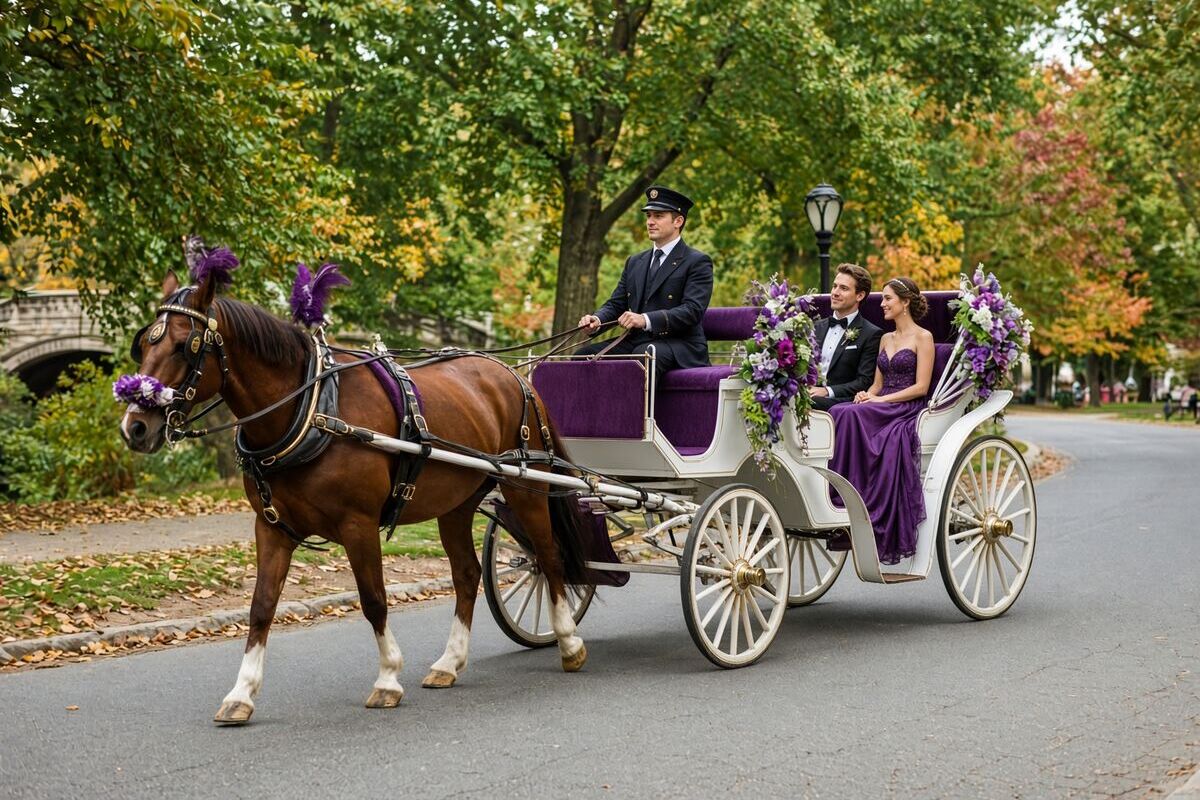
The carriages, limited in recent decades to a fixed number of medallions and operating primarily along designated routes in the park, have appeared in films and remain a recognizable New York image. With the council's action and the mayor's support, the phased ban is expected to take effect on the schedule set out in Romanch's Law.



Reader Comments(0)