
Community, Diversity, Sustainability and other Overused Words


Community, Diversity, Sustainability and other Overused Words
From believing common myths about closing old cards to misunderstanding how rent and minimum payments affect their scores, read on to learn about the most significant gaps in financial knowledge

Your credit score is one of the most important numbers in your financial life, yet it remains a mystery to many. To find out what people really know about their credit, Credit One Bank conducted a survey in November with 1,000 U.S. consumers — asking them about everything from where they learned about credit to how scores are calculated. What was discovered? A lot of confusion and costly misconceptions.
From believing common myths about closing old cards to misunderstanding how rent and minimum payments affect their scores, read on to learn about the most significant gaps in financial knowledge that could be holding people back from achieving their financial goals.
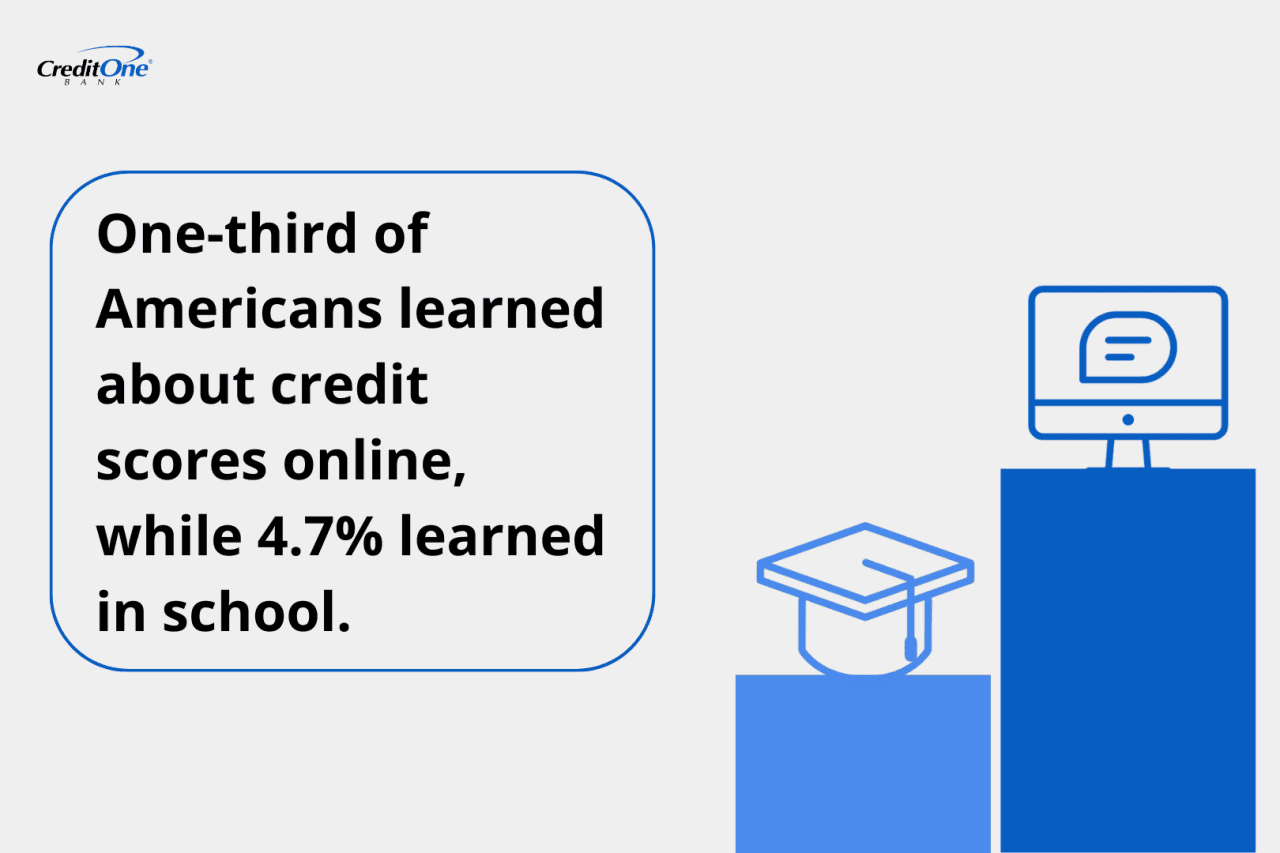
When it comes to understanding credit scores, U.S. consumers are far more likely to learn about credit from the internet than from formal education.
This sevenfold gap highlights the absence of credit education in traditional curricula, leaving most U.S. consumers to piece together their financial literacy online. Without structured guidance, misinformation can easily spread, and small misunderstandings can have lasting financial consequences.
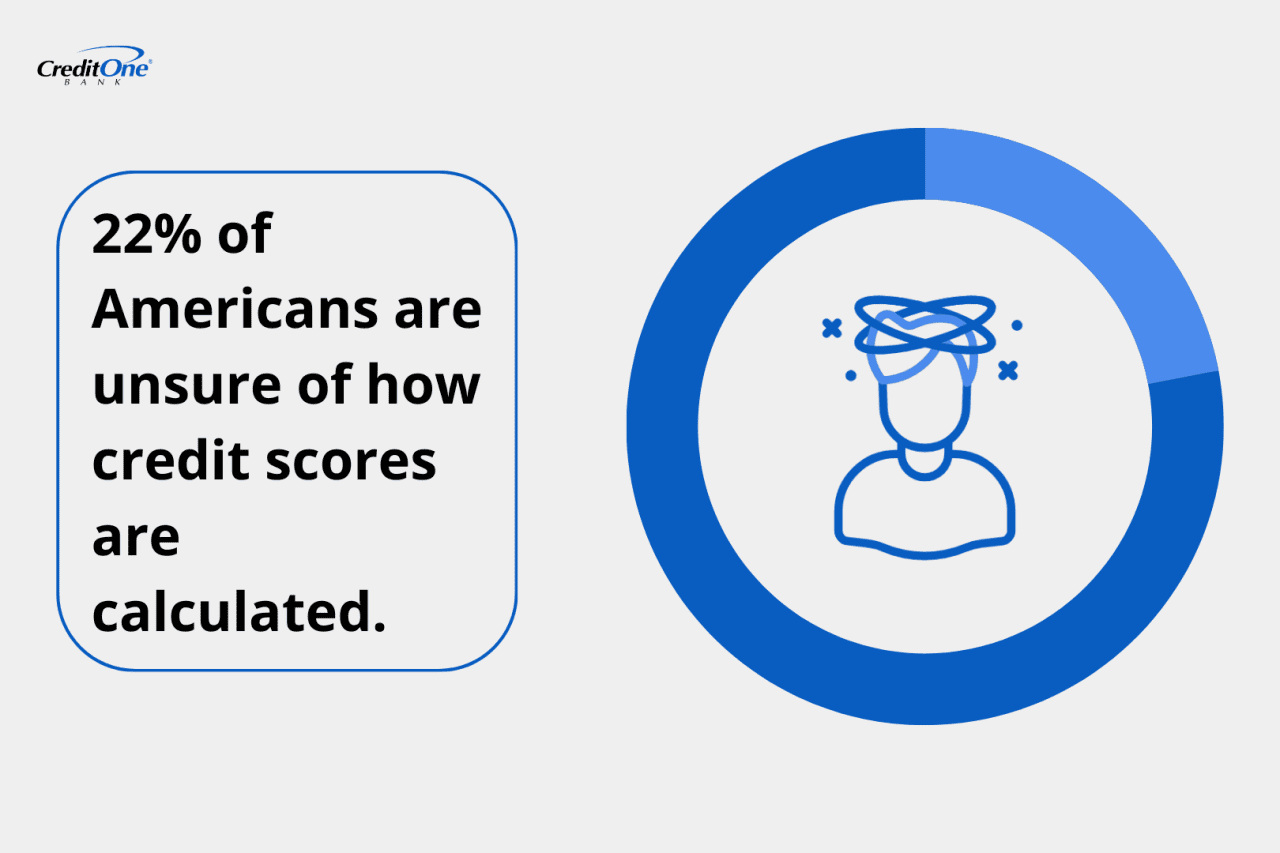
This reliance on self-guided, online learning may explain another key finding from our recent study. Even with widespread online resources, many still feel unsure about how credit scores are calculated.
This lack of confidence points to a deeper issue: Access to information doesn’t always equal understanding. Many people may know where to find credit advice but struggle to determine what’s accurate, which can lead to costly mistakes in managing their financial health.
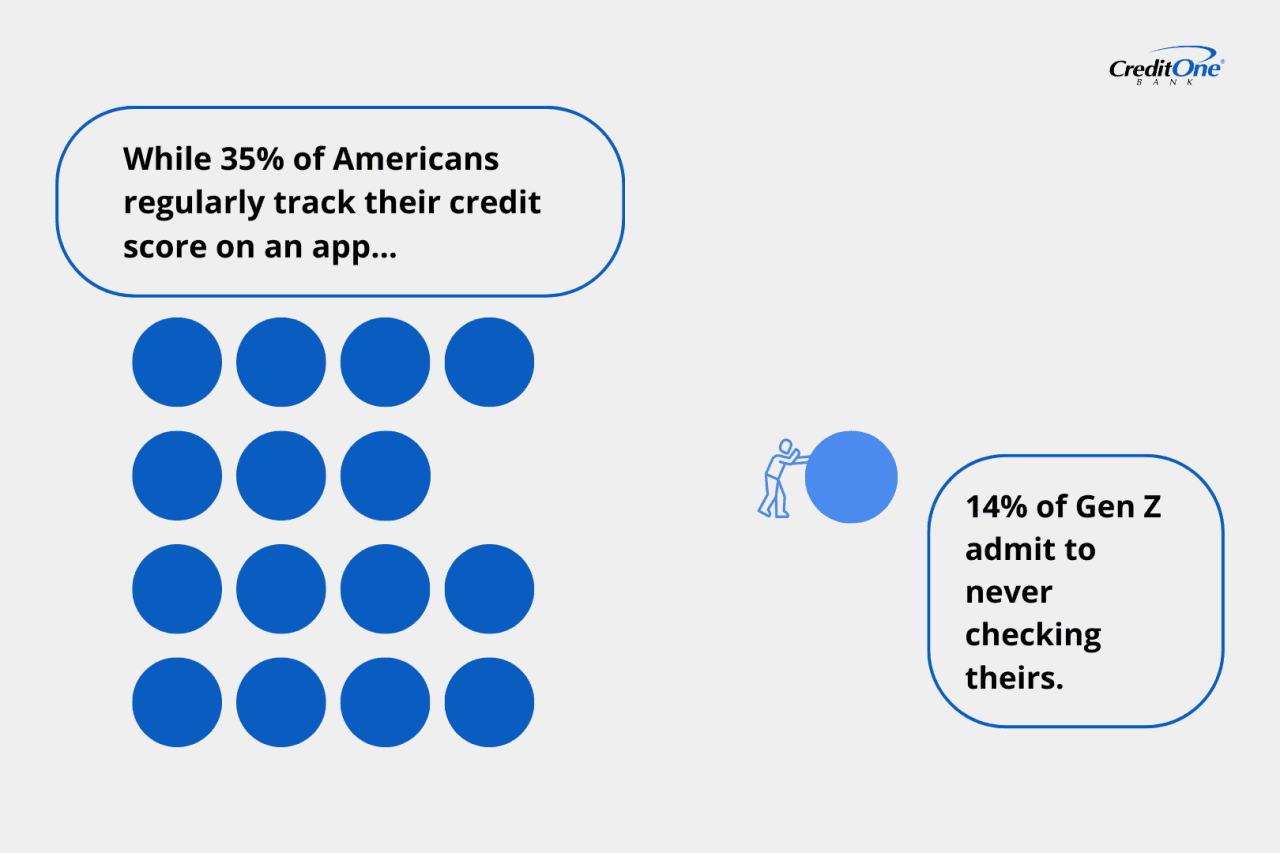
Technology has made it easier than ever to stay on top of your financial profile, but not everyone is taking advantage of it.
This generational divide highlights a paradox: even in the most tech-savvy generation, a significant portion remains disconnected from their credit health, potentially missing opportunities to establish strong financial foundations early.
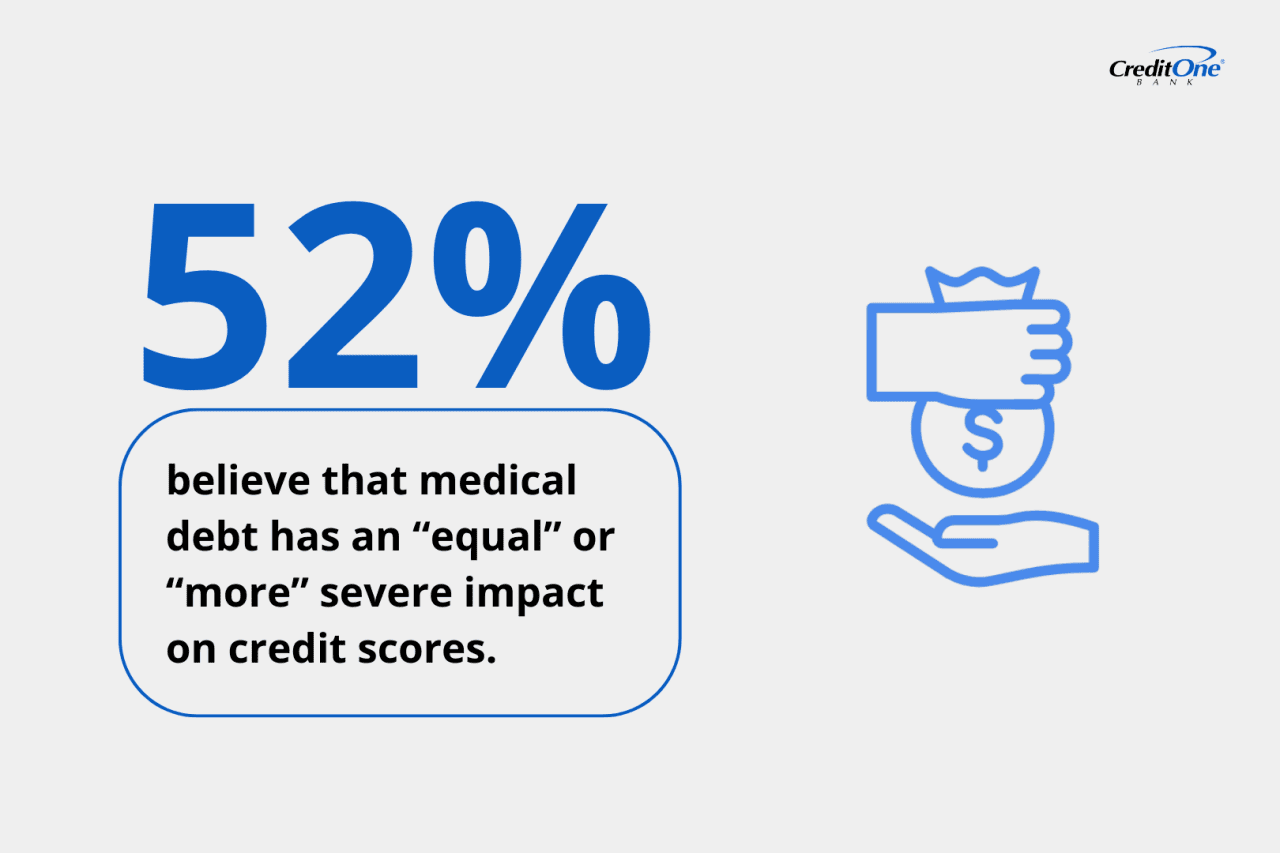
This disconnect in financial habits is often rooted in deep-seated anxieties about specific types of debt. Medical debt remains a major source of anxiety for many households, but perceptions haven’t caught up with reality.
In truth, recent changes by major credit bureaus have minimized the effect of medical debt under $500 on credit reports and lowered the weight of unpaid medical collections in credit scoring models. In addition, 15 states now prohibit the use of medical debt in credit reporting. As a result, millions could have a misplaced concern for their credit health due to medical debt.
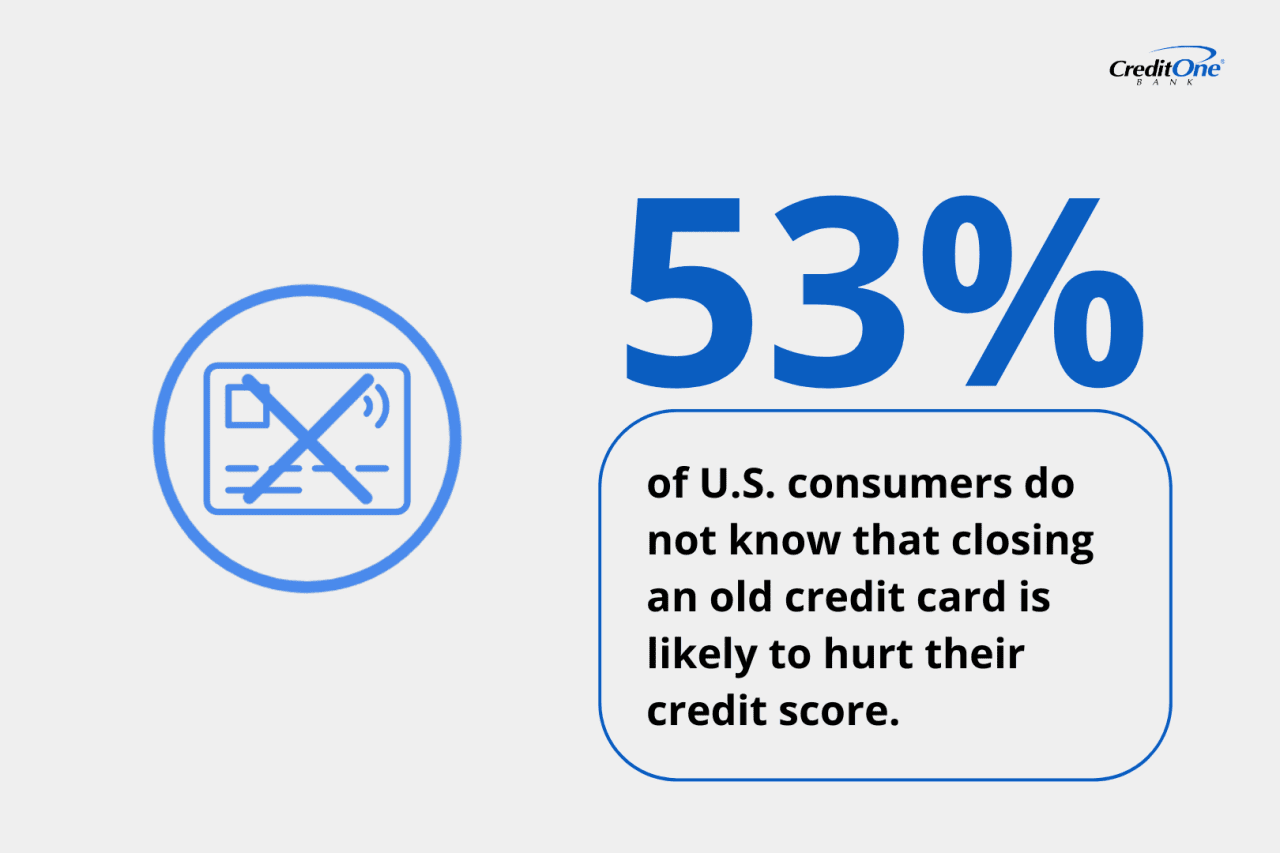
This confusion isn’t limited to complex issues like medical debt — it also extends to some of the most basic principles of credit management. Many people think closing old credit cards is a responsible move, but it often backfires.
Closing an account, particularly a long-held one, can negatively impact two critical components of a credit score: the length of your credit history, including the average age of open accounts, and your credit utilization ratio.
In reality, this can lower your score by reducing your total available credit and shortening your credit history under some credit scoring models. This “financial decluttering” habit can actually cause more harm than good, illustrating how small misconceptions can have large financial repercussions.
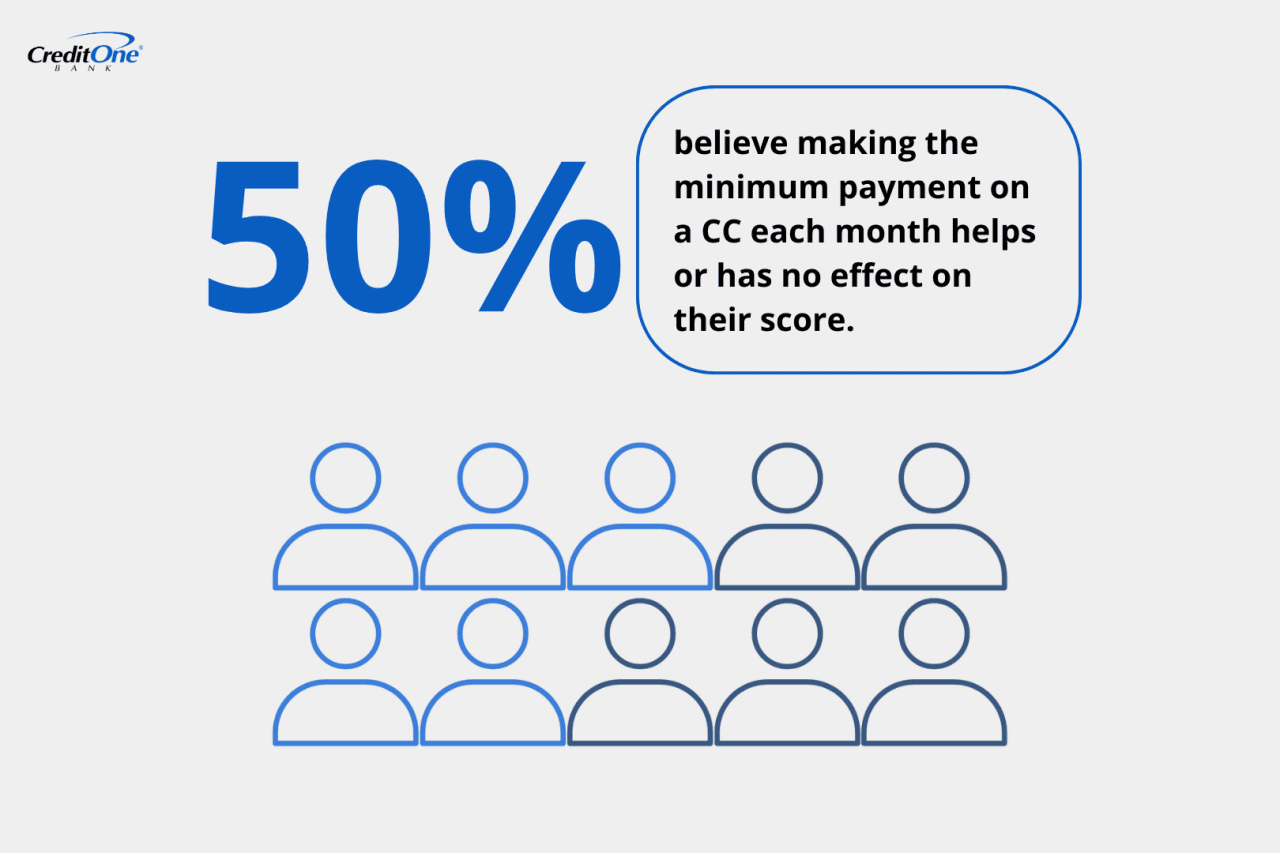
Perhaps the most financially damaging misconception we uncovered relates to the routine act of paying the monthly credit card bill. Paying the minimum each month may seem like a safe move, but it’s a costly mistake.
While this approach avoids late fees and contributes to establishing a positive payment history, it can keep balances high and increase your credit utilization ratio, a key factor that can drag down your score. This misconception keeps many consumers in a cycle of debt and damaged credit.
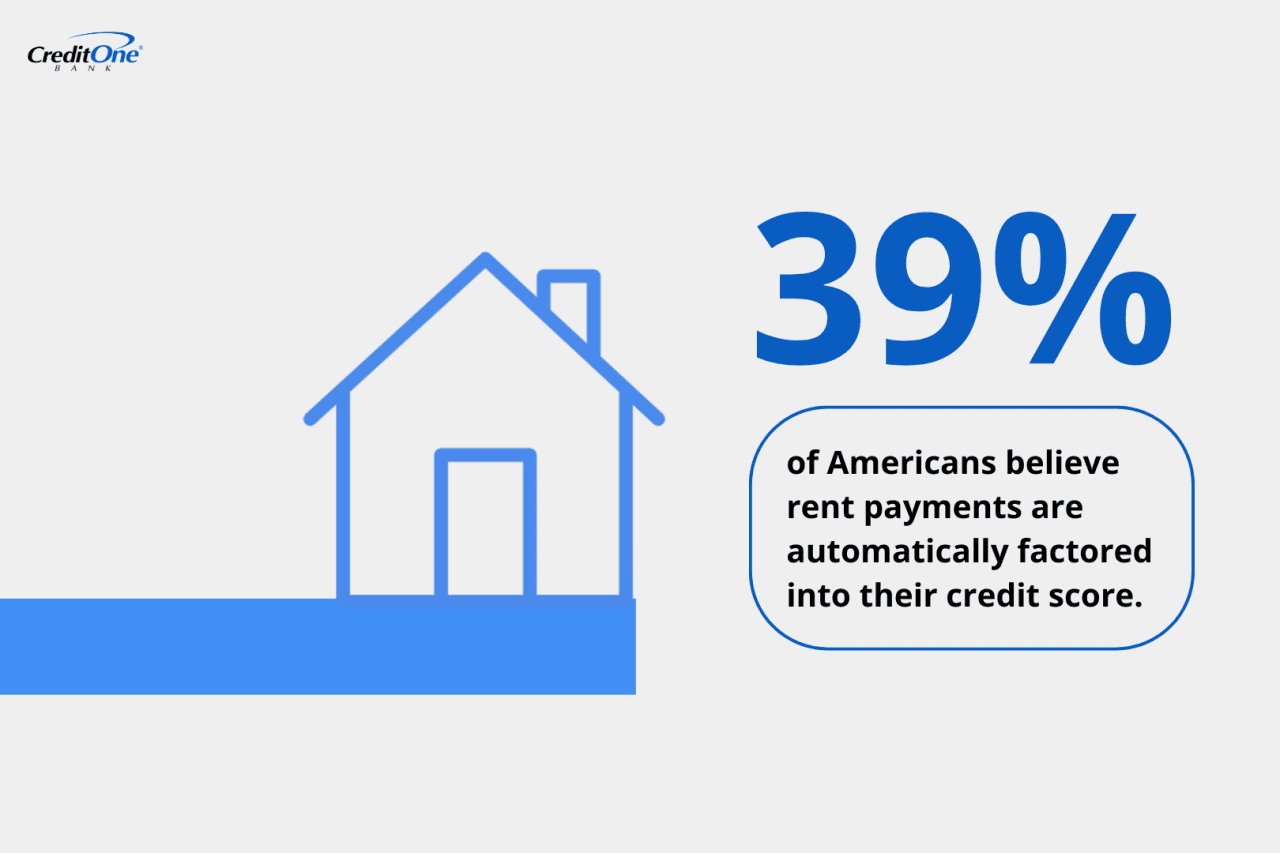
A massive source of confusion we found centers on one of the largest monthly expenses for many people: rent. For millions of renters, paying on time every month doesn’t necessarily translate into an improvement in their credit.
In most cases, landlords don’t report rent payments to credit bureaus (Equifax, Experian, and TransUnion), meaning responsible tenants often receive no credit for their consistent payments. This lack of reporting creates a blind spot in credit systems, making it more difficult for renters to demonstrate their financial reliability.
While a history of non-payment can eventually end up on your credit report if you’re evicted or sent to collections, the positive history of consistent, on-time payments may go unrecorded — unless you use a rent-reporting service or an app like Experian Boost, which can incorporate rent and utility payments.
While this study highlights that the world of credit is filled with myths and confusion, the takeaway isn’t one of fear — it’s one of empowerment. Every misconception you’ve read about here is now a piece of knowledge you can use to your advantage.
Your credit score isn’t a permanent grade written in stone. Think of it instead as a living number that you have the power to shape and grow. By understanding the real rules of the game, you can move forward with confidence, making smart, informed decisions that build a stronger and brighter financial future, one step at a time.
Find the full survey and responses here.
To understand how U.S. consumers approach credit education and credit score management, Credit One Bank surveyed 1,000 adults across the United States in November 2025 using the Pollfish online survey platform. Participants answered a series of questions about where they learned about credit, how confident they feel in understanding how credit scores are calculated, and common beliefs about factors that influence credit health.
Responses were analyzed across age, gender, and generation to identify knowledge gaps, behavioral trends, and misconceptions surrounding credit education and financial literacy.
This story was produced by Credit One Bank and reviewed and distributed by Stacker.


Reader Comments(0)