
Community, Diversity, Sustainability and other Overused Words


Community, Diversity, Sustainability and other Overused Words
Expect Surges in oil prices due to fears of supply disruptions (via the Strait of Hormuz, Iranian exports, or regional instability).
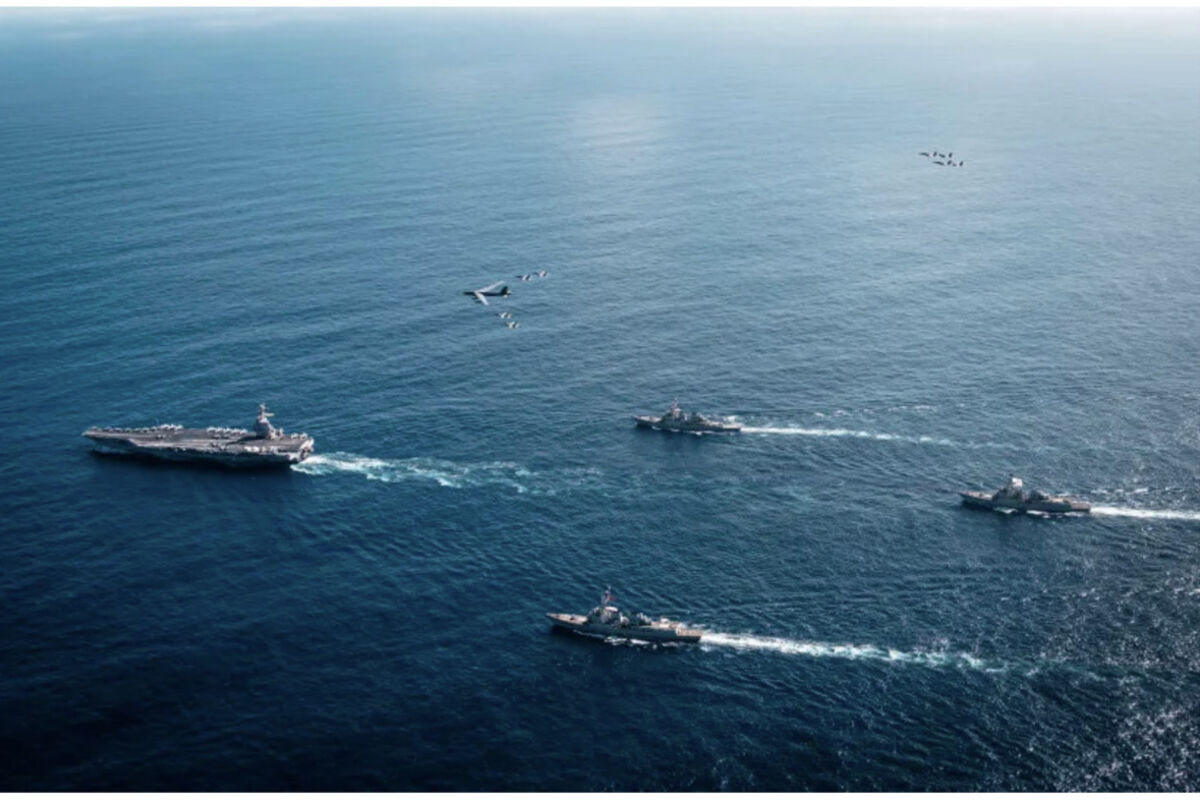
The US Navy's Gerald R. Ford Carrier Strike Group operates as a joint, multi-domain force with a U.S. Air Force B-52 Stratofortress, November 13, 2025.
Based on historical patterns from prior Israel-Iran escalations, an Israeli attack on Iran like the one reported on February 28, 2026, is more likely to lower the US stock market on Monday (the next trading day after the weekend event), at least initially, though the decline is typically short-lived and modest unless the conflict broadens dramatically.
Geopolitical tensions in the Middle East, particularly direct Israel-Iran strikes, have consistently triggered risk-off sentiment in markets. This manifests as:
Sharp but temporary selloffs in equities (e.g., S&P 500, Dow, Nasdaq).
Surges in oil prices due to fears of supply disruptions (via the Strait of Hormuz, Iranian exports, or regional instability).
Gains in safe-haven assets like gold, the US dollar, and sometimes Treasuries.

Key historical examples from recent escalations include:
In June 2025, when Israel launched strikes on Iranian nuclear/military sites (with Iran retaliating), US stocks fell notably on the immediate trading day: the Dow dropped around 770 points (~1.8%), the S&P 500 declined ~1.1-1.3%, and the Nasdaq shed ~1.3%. Oil prices jumped 7-13% initially amid supply disruption fears.
In October 2024, after Iran's missile attack on Israel (a related escalation), the S&P 500 fell ~0.9%, the Dow ~0.4%, and the Nasdaq ~1.5%, with oil spiking significantly.
Broader analyses of such events show initial "knee-jerk" drops in stocks, often 1-2% or more, driven by uncertainty, higher energy costs (which can fuel inflation concerns), and flight to safety.
In the current context (late February 2026), markets were already pricing in elevated risks ahead of the attack-oil had climbed to near seven-month highs on fears of US/Iranian confrontation, and stocks showed some pre-weekend pressure. The attack's occurrence, combined with the apparent end of US-Iran negotiations, removes any remaining diplomatic optimism and adds fresh uncertainty about potential Iranian retaliation, proxy involvement, or escalation.
Markets often pre-price widely anticipated risks, so the reaction might be muted if the strike appears limited (as some past exchanges have been). However, history shows the immediate response leans negative for equities, with recoveries possible if the conflict de-escalates quickly (e.g., stocks sometimes rebound within days or shrug off contained events entirely, as seen in some analyses where global indices rose during fighting if it stayed regional).
Upside risks to stocks would require rapid de-escalation or confirmation of minimal damage/oil impact. Downside risks grow if Iran responds forcefully, oil sustains above $80-90/barrel (adding inflationary pressure), or broader involvement draws in the US more directly.
Overall, expect a likely lower open and potential decline Monday, driven by the pattern of prior direct confrontations-though probably not a crash unless things spiral. Monitor oil prices, futures overnight, and any weekend developments for clues on severity.



Reader Comments(0)