
Community, Diversity, Sustainability and other Overused Words


Community, Diversity, Sustainability and other Overused Words
NASA Orders Early Return of Crew-11 Astronauts from ISS in Historic Medical Evacuation
Crew 11 will be evacuated. NASA isn't saying which of the crew has a medical emergency or what the problem is
View from the ISS Cupola
Female ISS astronaut.
January 14, 2026 — In an unprecedented move in the 25-year history of the International Space Station (ISS), NASA is bringing the four-member Crew-11 team back to Earth approximately one month ahead of schedule following a medical issue affecting one crew member.
The affected astronaut is reported to be stable and not in acute distress, according to NASA officials. The agency has emphasized that the situation is precautionary, driven by the limited diagnostic and treatment capabilities available aboard the ISS in microgravity. NASA Administrator Jared Isaacman and Chief Health and Medical Officer Dr. James Polk described the decision as one made to prioritize the crew member's health, noting that full medical evaluation requires resources only available on the ground.NASA has not disclosed the identity of the affected crew member or the specific nature of the condition, citing medical privacy protocols.
Officials have repeatedly stated that more details may be provided after the crew's safe return, if privacy guidelines permit.
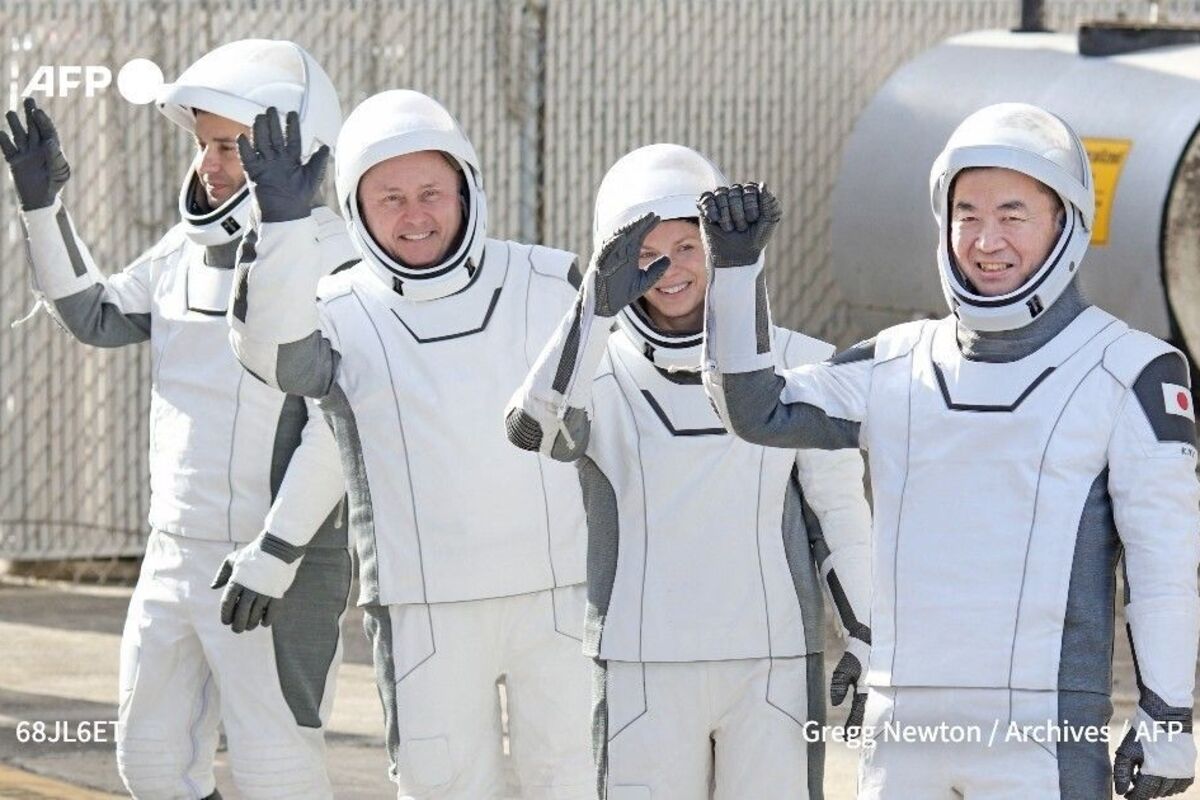
Crew-11 consists of: NASA astronaut Zena Cardman (mission commander) NASA astronaut Mike Fincke (pilot). JAXA (Japan Aerospace Exploration Agency) astronaut Kimiya Yui Roscosmos cosmonaut Oleg Platonov
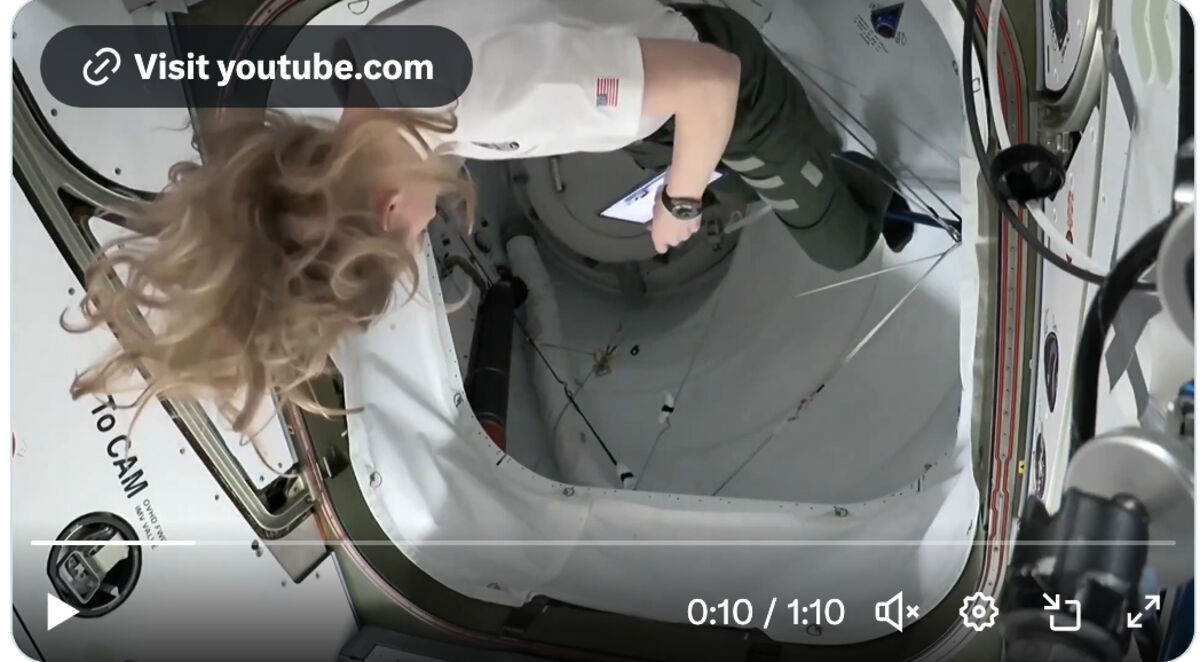
Female ISS astronaut.
The team launched to the ISS in August 2025 aboard a SpaceX Crew Dragon spacecraft and was originally scheduled to return in mid-February 2026 following the arrival of the replacement Crew-12 mission.The first public indication of the issue emerged last week when NASA postponed a planned spacewalk. The entire crew will now depart the station together, as the Dragon capsule is configured with specific seats and suits for each member.
Undocking from the ISS is targeted no earlier than 5 p.m. ET (2200 UTC) on Wednesday, January 14, with splashdown expected off the California coast around 3:40 a.m. ET (0840 UTC) on Thursday, January 15, weather and recovery conditions permitting.
Following the departure, the ISS will be staffed by three remaining crew members: Roscosmos cosmonauts Sergey Kud-Sverchkov and Sergey Mikaev, along with NASA astronaut Chris Williams (who arrived via Soyuz in November 2025). NASA is evaluating options to potentially accelerate the launch of Crew-12.
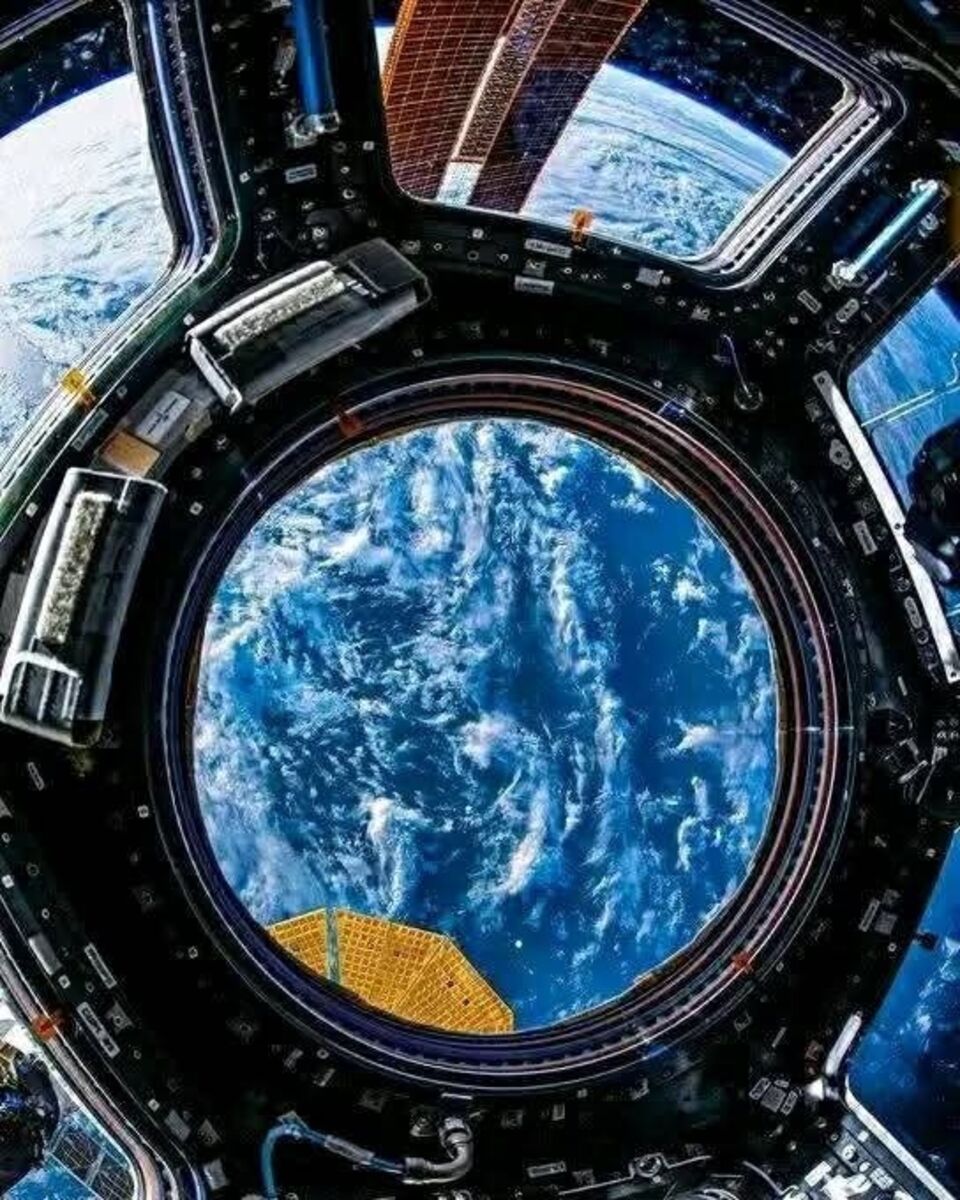
View from the ISS Cupola
Live coverage of the undocking, return journey, and splashdown is available on NASA TV and SpaceX channels. A post-splashdown news conference is planned to provide further updates on the crew's condition and mission outcomes. This marks the first medical-related early return of an entire crew rotation from the ISS, highlighting the challenges of long-duration spaceflight despite extensive preparation and onboard medical resources.



Reader Comments(0)