
Community, Diversity, Sustainability and other Overused Words


Community, Diversity, Sustainability and other Overused Words
Social media erupted with frustration: users called the event a "DEI show," lamented "woke Oscars," and claimed viewership continues to plummet because "it's not about talent, it's about identity."
Braveheart, one of many former Oscar winning movies that just wouldn't qualify under new woke standards
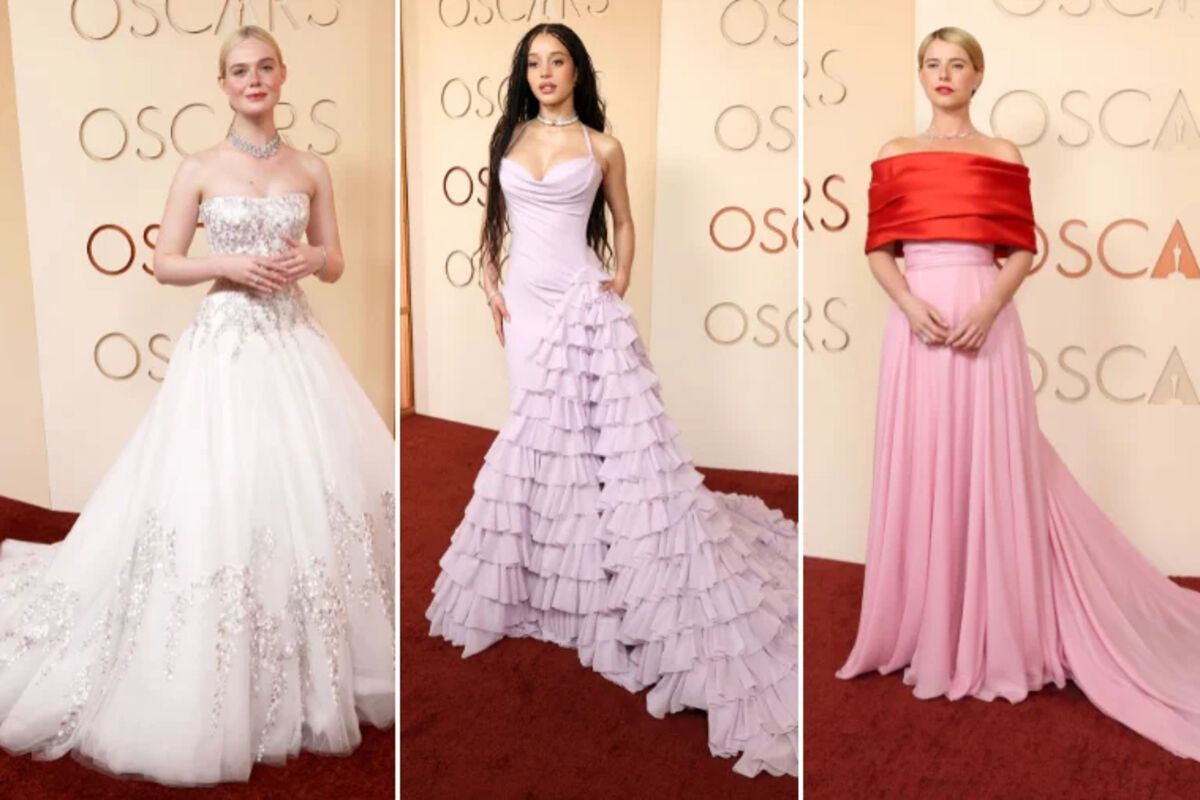
Best dressed actresses; Jessie Buckley, Chase Infiniti and Kate Hudson
The Oscars, once Hollywood's premier celebration of cinematic artistry, have increasingly come under fire for prioritizing diversity, equity, and inclusion (DEI) mandates over pure merit and storytelling excellence. Titled "Why the Oscars Suck: Diversity, Equity Inclusion Standards Fail Art," this critique highlights how the Academy of Motion Picture Arts and Sciences' Representation and Inclusion Standards-introduced in 2020 and fully enforced for Best Picture eligibility since 2024-have transformed the awards into what many view as a politicized checklist rather than a genuine honor for filmmaking achievement.
The rules require any film aspiring to Best Picture consideration to submit a confidential Academy Inclusion Standards form (RAISE) and meet at least two out of four standards covering on-screen representation, creative leadership, industry access, and audience development. For example:Standard A (On-Screen Representation): Films can qualify by featuring at least one lead or significant supporting actor from an underrepresented racial or ethnic group, centering themes on underrepresented communities (including women, LGBTQ+ individuals, or people with disabilities), or ensuring at least 30% of secondary roles come from two or more such groups.
Standard B (Creative Leadership): At least two department heads (e.g., casting director, composer, or producer) must belong to underrepresented groups.
Additional standards address paid internships/training for underrepresented individuals and diverse marketing/audience outreach teams.
While the Academy insists these guidelines "encourage equitable representation... to better reflect the diverse global population," critics argue they impose artificial quotas that undermine artistic freedom. Classic films like The Godfather, Braveheart, or Patton-dominated by white male casts, crews, and narratives-would likely fail to qualify today, even if hailed as masterpieces. Recent ceremonies have amplified this backlash, with some nominees and winners seemingly selected more for checking DEI boxes than for groundbreaking cinema.At the 2026 Oscars (the 98th Academy Awards), held recently, films like Sinners (which earned Michael B. Jordan his first Best Actor win) and others faced accusations of being elevated due to identity-focused criteria rather than universal acclaim. Social media erupted with frustration: users called the event a "DEI show," lamented "woke Oscars," and claimed viewership continues to plummet because "it's not about talent, it's about identity."
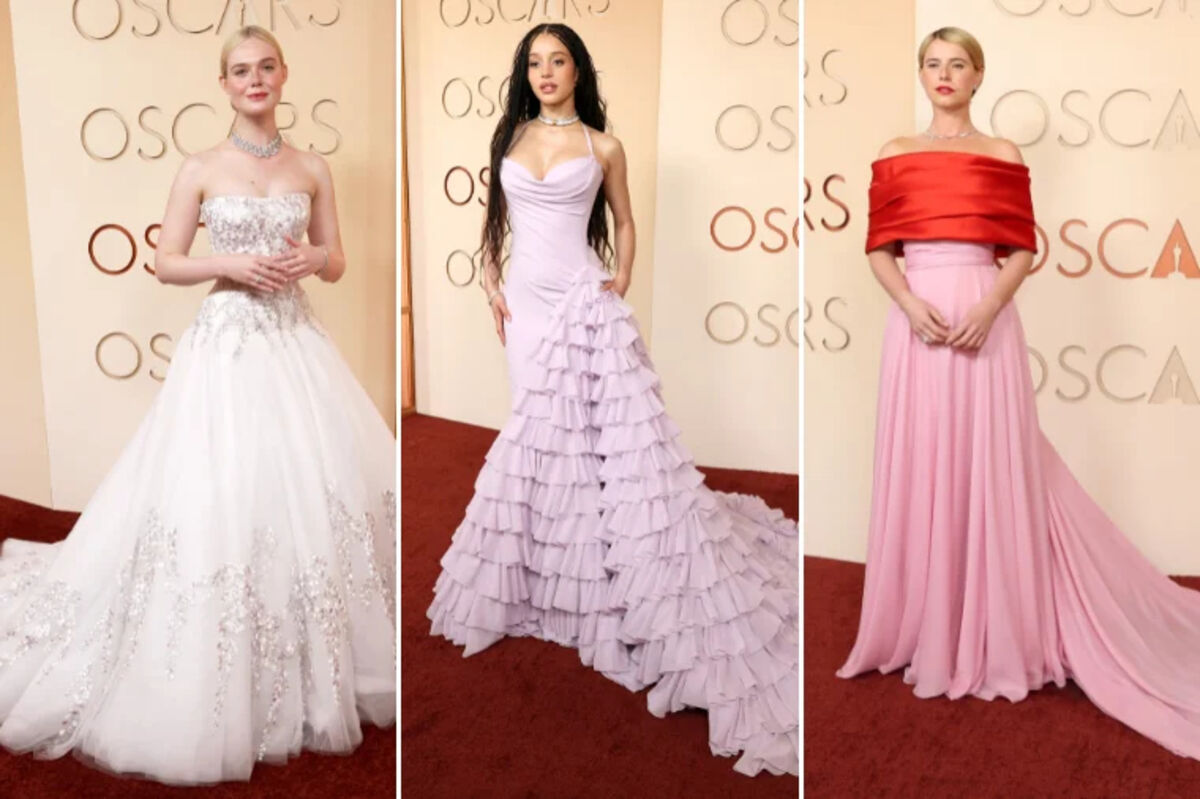
Best dressed actresses; Jessie Buckley, Chase Infiniti and Kate Hudson
Complaints ranged from snubs of legendary figures in segments like In Memoriam to broader claims that the ceremony has become a "globalist culture machine" heavy on political messaging and light on compelling art.Defenders point to measurable progress-more female nominees, increased representation from racial/ethnic minorities and international talent, and records broken by diverse projects-but detractors counter that the standards are too easily gamed (e.g., studios like Universal implementing internal DEI policies to ensure eligibility even for historically white-centered films like Oppenheimer). Bill Maher recently urged moving on from diversity complaints, saying the Oscars are now "a long, boring show full of all people," yet many viewers and industry observers feel the pendulum has swung too far, sacrificing merit for optics.
Ultimately, the DEI standards have not eliminated controversy-they've redirected it. Instead of celebrating the year's finest films without precondition, the Oscars now gatekeep eligibility through bureaucratic diversity hurdles. For an art form built on creative risk and human truth, this shift has left many asking: When awards stop rewarding excellence first, do they still matter at all? As audiences tune out and box-office trends reflect fatigue with formulaic "inclusive" storytelling, the ceremony risks becoming irrelevant to the very public it once captivated.
The 98th Academy Awards, held on March 15, 2026, and hosted by Conan O'Brien, aired live on ABC with streaming on Hulu. As of March 16, 2026 (the day after the ceremony), final Nielsen viewership numbers have not yet been publicly released. Initial or preliminary ratings are typically reported the morning after, with updated figures (including full streaming, mobile, and delayed viewing) often coming days later, as seen in previous years.Recent trends provide context for expectations:The 2025 Oscars (97th ceremony) drew 19.69 million total viewers across ABC and Hulu in final Nielsen data-a five-year high, up about 1% from 19.5 million in 2024.
Viewership has steadily rebounded since the pandemic low of 10.4 million in 2021, climbing to around 16.6 million in 2022, 18.7 million in 2023, 19.5 million in 2024, and 19.69 million in 2025.
This places the show as one of the largest non-sports TV events, though far below historical peaks (e.g., over 40–50 million in the 1990s–early 2000s).
Social media and early reports from March 16, 2026, show mixed reception: some viewers called the 2026 ceremony "boring," "predictable," or a "snooze fest," with complaints about pacing and hosting, while others highlighted chaotic or memorable moments (e.g., host jokes about ruining Oscar pools). No widespread reports indicate a major ratings drop or surge yet, but the ceremony's reception could influence final tallies.Historical context shows the Oscars have stabilized in the 17–20 million range in recent years amid cord-cutting, streaming competition, and broader TV fragmentation. Once the official 2026 numbers drop (likely from Nielsen/Disney/ABC in the coming days), they'll clarify if the upward trend continued or reversed. For comparison, non-sport events rarely exceed this range today. Stay tuned for updates from sources like Deadline, Variety, or The Hollywood Reporter.



Reader Comments(0)