
Community, Diversity, Sustainability and other Overused Words


Community, Diversity, Sustainability and other Overused Words
10-day test flight marks NASA's first crewed mission under the Artemis program and the first time humans have ventured beyond low-Earth orbit since Apollo 17 in 1972
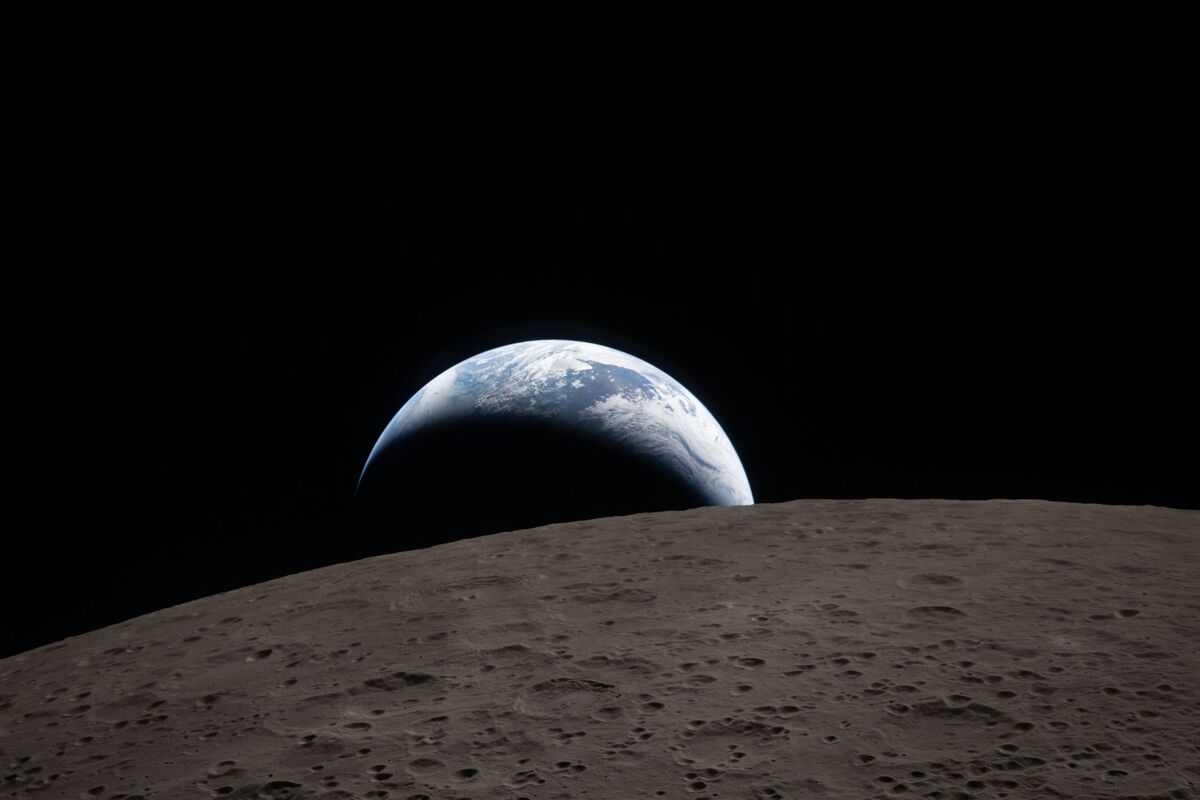
The Earth rises over the Moon in this image from Artemis II, taken April 7, 2026.
NASA astronauts Commander Reid Wiseman, Pilot Victor Glover, and Mission Specialist Christina Koch, along with Canadian Space Agency astronaut Mission Specialist Jeremy Hansen-completed a daring lunar flyby on April 6, breaking the Apollo 13 distance record and capturing breathtaking new views of our celestial neighbor.
April 8, 2026In a milestone that reignites humanity's lunar dreams, the four astronauts aboard NASA's Artemis II mission have become the first humans to see the Moon's far side with their own eyes since the Apollo era ended more than half a century ago. Launched on April 1 aboard the powerful Space Launch System rocket from Kennedy Space Center in Florida, the crew-NASA astronauts Commander Reid Wiseman, Pilot Victor Glover, and Mission Specialist Christina Koch, along with Canadian Space Agency astronaut Mission Specialist Jeremy Hansen-completed a daring lunar flyby on April 6, breaking the Apollo 13 distance record and capturing breathtaking new views of our celestial neighbor.
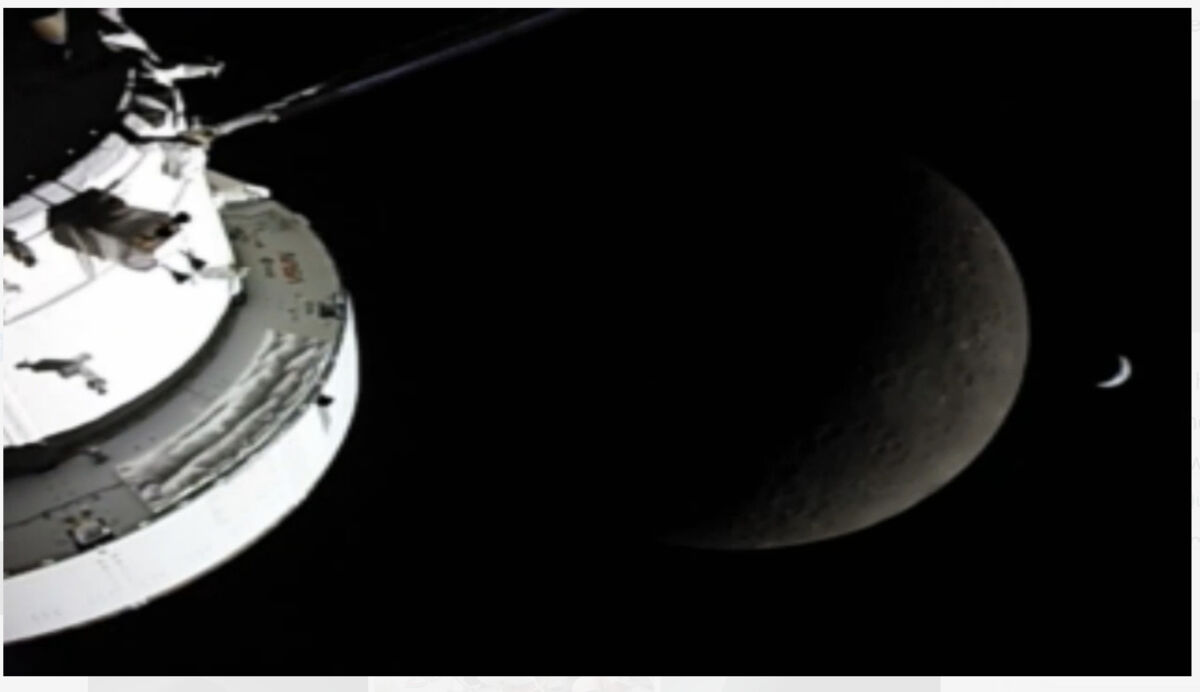
The roughly 10-day test flight marks NASA's first crewed mission under the Artemis program and the first time humans have ventured beyond low-Earth orbit since Apollo 17 in 1972. Orbiting Earth several times before a precise translunar injection burn propelled them toward the Moon, the Orion spacecraft-christened Integrity-carried the team on a free-return trajectory that brought them within about 4,000 to 6,000 miles of the lunar surface. As they swung behind the Moon, communications with Earth blacked out for roughly 40 minutes-the expected result of the Moon blocking the signal-giving the crew a rare, uninterrupted moment to soak in the rugged, crater-pocked landscape of the far side, a region never visible from our home planet.
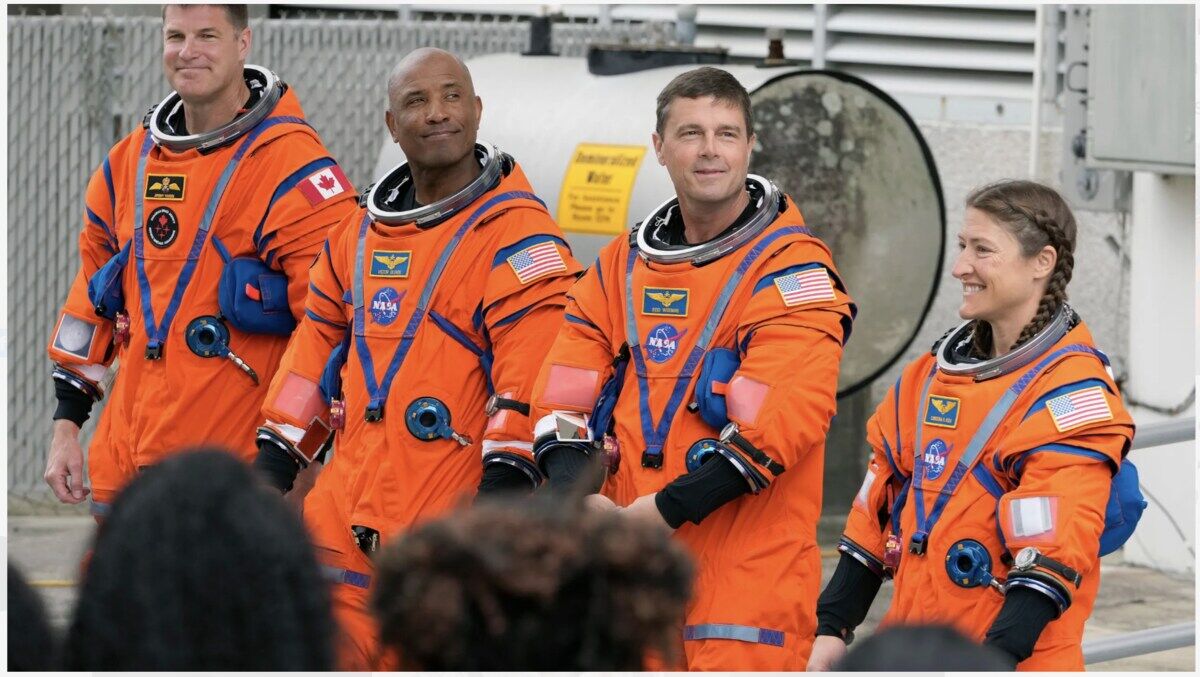
NASA astronauts Commander Reid Wiseman, Pilot Victor Glover, and Mission Specialist Christina Koch, along with Canadian Space Agency astronaut Mission Specialist Jeremy Hansen-completed a daring lunar flyby on April 6, breaking the Apollo 13 distance record and capturing breathtaking new views of our celestial neighbor.
"It's so great to hear from Earth again," Koch radioed back once contact was restored, her voice filled with awe after the team emerged from the lunar shadow. The crew released stunning new images during the flyby, including dramatic "Earthset" vistas showing our blue planet rising and setting against the Moon's horizon-an echo of the iconic Earthrise photos from Apollo that inspired generations.
This isn't just a technical triumph; it's a beacon of progress. Wiseman, Glover, Koch, and Hansen represent a diverse crew making history together: the first woman, the first person of color, and the first non-American to travel into deep space and the lunar environment. Their mission tests Orion's life-support systems, navigation, and heat shield in the harsh conditions of cislunar space-critical data that will pave the way for Artemis III's planned crewed lunar landing in 2028. International partnership shines through, too, with Canada's contribution to the Orion spacecraft and Hansen's historic role underscoring the global effort to establish a sustainable presence on the Moon.
Mission controllers at Johnson Space Center in Houston reported the spacecraft and crew performing flawlessly throughout the journey. The team has already shattered the record for farthest humans have traveled from Earth, surpassing Apollo 13's 248,655-mile mark, and conducted scientific observations that will enhance our understanding of the Moon's geology and its role in future exploration.As the crew now heads home for a Pacific Ocean splashdown later this week, the excitement is palpable.
Artemis II isn't the end of a chapter-it's the thrilling opening of humanity's return to the Moon, setting the stage for long-term lunar bases, scientific discovery, and perhaps even the first steps toward Mars. For the first time in decades, the far side of the Moon feels closer than ever, reminding us all why we reach for the stars: to explore, to unite, and to dream bigger.





Reader Comments(0)